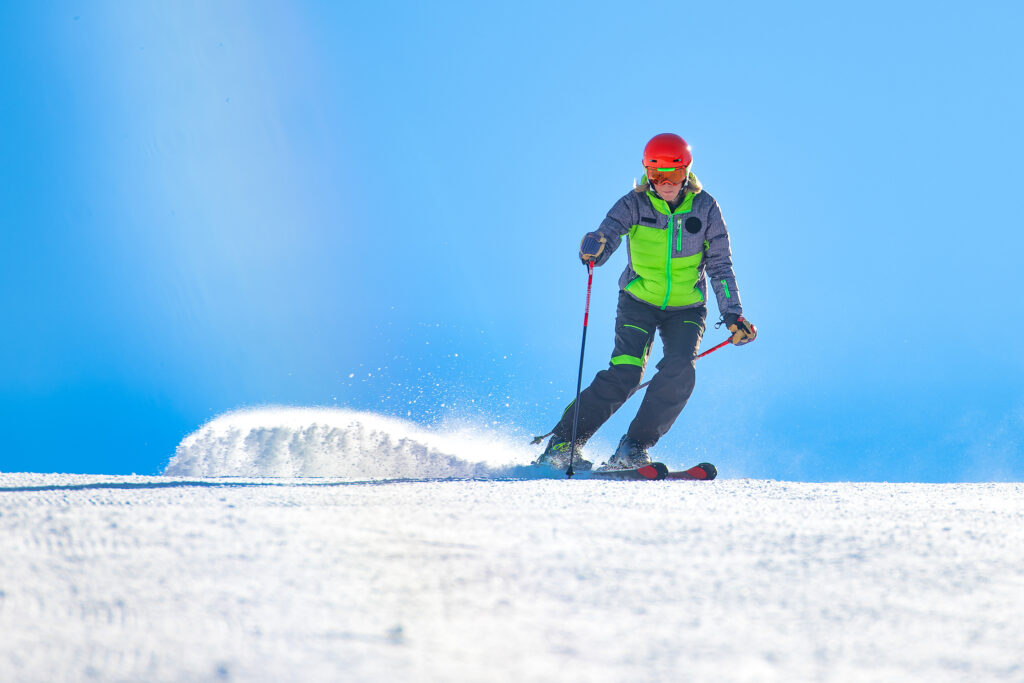
Albania, a hidden gem in the Balkans, offers an unexpected and thrilling experience for ski and snowboard enthusiasts. Nestled between Montenegro, Kosovo, North Macedonia, and Greece, this small country is known for its rich history, stunning landscapes, and hospitable people. While Albania’s beaches and cultural sites attract many tourists, its mountainous regions are rapidly gaining recognition as prime winter sports destinations. With affordable prices, uncrowded slopes, and breathtaking alpine scenery, Albania promises a unique and memorable adventure for winter sports lovers.
Albania is located in Southeastern Europe, bordered by the Adriatic Sea to the west and the Ionian Sea to the southwest. The country boasts a diverse terrain, with the Albanian Alps, the Pindus Mountains, and the Dinaric Alps providing a rugged and picturesque backdrop for skiing and snowboarding. The mountainous regions, particularly in the north and southeast, are where you’ll find the best conditions for winter sports. The highest peak, Mount Korab, reaches 2,764 meters (9,068 feet), offering challenging terrain for advanced skiers and snowboarders.
The best time to visit Albania for skiing and snowboarding is from December to March. During these months, the mountains are blanketed with snow, providing excellent conditions for winter sports. January and February are particularly favorable, with consistent snowfall and ideal temperatures. For those interested in backcountry skiing and off-piste adventures, the later months of the season, especially March, offer more stable snowpack and safer conditions for exploring less-traveled areas.
Visitors from many countries, including the EU, the US, Canada, and Australia, can enter Albania visa-free for stays of up to 90 days within a 180-day period. It is essential to have a passport valid for at least three months beyond your intended departure date. For travelers from countries that require a visa, it is advisable to apply well in advance through the nearest Albanian embassy or consulate. Always check the latest entry requirements before planning your trip, as regulations can change.
Reaching Albania is relatively straightforward, with several international airports serving the country. The main gateway is Tirana International Airport (TIA), located near the capital city. There are direct flights to Tirana from various European cities, including London, Rome, Vienna, and Istanbul. From the airport, you can reach popular ski destinations like Korçë and Kukës by car or bus. Alternatively, you can enter Albania via land from neighboring countries like Greece, Montenegro, and North Macedonia, with well-connected road and bus networks.
Albania offers several emerging ski and snowboard resorts that cater to different skill levels. The most notable is Dardha, located near Korçë, known for its picturesque setting and well-maintained slopes. Another popular destination is Boga in the Albanian Alps, offering challenging runs and stunning views. For those seeking a more off-the-beaten-path experience, Voskopoja provides a blend of skiing and cultural exploration, with ancient churches and monasteries nearby. These resorts are gradually improving their infrastructure, making them increasingly attractive to international visitors.
While Albania’s ski infrastructure is still developing, you can find equipment rentals and shops in major ski areas and nearby towns. Dardha and Boga have rental facilities offering a range of ski and snowboard gear, including boots, skis, snowboards, and helmets. It’s advisable to reserve equipment in advance, especially during peak season, to ensure availability. For those with specific equipment needs, it may be more convenient to bring your own gear. Local shops also offer basic repair services, ensuring you can hit the slopes without any equipment issues.
Albania’s rugged terrain and untouched snow make it an excellent destination for backcountry and off-piste skiing. The Albanian Alps and Pindus Mountains provide endless opportunities for adventurous skiers and snowboarders to explore untracked powder and remote areas. However, it’s crucial to be well-prepared and aware of the risks associated with backcountry skiing. Hiring a local guide with knowledge of the terrain and avalanche conditions is highly recommended. Additionally, ensure you have proper safety equipment, including an avalanche beacon, probe, and shovel.
Accommodation options near Albania’s ski resorts range from cozy guesthouses and lodges to modern hotels. In Dardha, you can find charming family-run guesthouses that offer a warm and authentic experience. Boga features rustic lodges that blend comfort with traditional Albanian hospitality. For those staying in larger towns like Korçë, there are several hotels with more amenities, including spa services and fine dining. Booking in advance, particularly during the peak winter season, is advisable to secure the best options.
Albanian cuisine is a delightful mix of Mediterranean and Balkan flavors, offering hearty and satisfying meals perfect for refueling after a day on the slopes. Traditional dishes such as tavë kosi (baked lamb with yogurt) and byrek (savory pastry) are must-tries. In ski resort areas, you will find restaurants serving local specialties and international cuisine to cater to diverse tastes. Many guesthouses also offer home-cooked meals, providing an opportunity to savor authentic Albanian dishes in a cozy setting.
Transportation within Albania has improved significantly in recent years, making it easier to travel between ski resorts and major cities. Rental cars are a popular option, providing flexibility and convenience for exploring the country’s mountainous regions. Buses and minibusses, known locally as furgons, connect most towns and cities, offering an affordable means of transportation. For those traveling to remote ski areas, hiring a private driver or arranging transport through your accommodation can be a practical solution.
Transportation within Albania has improved significantly in recent years, making it easier to travel between ski resorts and major cities. Rental cars are a popular option, providing flexibility and convenience for exploring the country’s mountainous regions. Buses and minibusses, known locally as furgons, connect most towns and cities, offering an affordable means of transportation. For those traveling to remote ski areas, hiring a private driver or arranging transport through your accommodation can be a practical solution.
The official currency in Albania is the Albanian lek (ALL). Credit and debit cards are widely accepted in major cities and tourist areas, but it’s advisable to carry cash, especially in more remote regions and smaller establishments. ATMs are available in most towns and cities, allowing you to withdraw cash as needed. Currency exchange services are also accessible at airports, banks, and exchange offices. Tipping is appreciated but not mandatory, with a 5-10% tip being a generous gesture for good service.
Albanian is the official language of the country, and while English is increasingly spoken, particularly among the younger generation and in tourist areas, learning a few basic Albanian phrases can enhance your travel experience. Most ski resort staff and tour operators speak English, making communication relatively easy for international visitors. Signage in major tourist areas is often bilingual, featuring both Albanian and English, to assist travelers.
Albania boasts a rich cultural heritage with a blend of influences from its Illyrian, Greek, Roman, and Ottoman past. When you’re not on the slopes, take time to explore historical sites such as the ancient city of Butrint, a UNESCO World Heritage site, and the impressive Berat Castle. In addition to its cultural attractions, Albania’s natural beauty extends beyond its mountains, with pristine beaches, lakes, and rivers offering year-round recreational opportunities. The hospitality of the Albanian people is renowned, making visitors feel welcome and at home.
Tourists should familiarize themselves with local laws and regulations to ensure a smooth and enjoyable visit. Always carry identification, such as a copy of your passport, as random checks by police are not uncommon. Drug laws in Albania are strict, and possession of even small amounts can result in severe penalties. Traffic regulations are strictly enforced, so adhere to speed limits and other rules when driving. Additionally, respect protected areas and follow guidelines for environmental conservation, particularly in national parks and natural reserves.
Albania is generally a safe destination for tourists, but it’s wise to take standard precautions. Keep an eye on your belongings, particularly in crowded places and public transportation. When skiing or snowboarding, always follow safety guidelines and be aware of weather and avalanche forecasts. In case of emergency, dial 112 for immediate assistance. It’s also helpful to have contact information for your country’s embassy or consulate in Albania. Registering with your embassy upon arrival can provide an additional layer of security.
Before traveling to Albania, ensure you have comprehensive travel insurance that covers medical expenses, accidents, and emergency evacuation. Healthcare facilities in major cities like Tirana are adequate, but services in rural and mountainous areas may be limited. It’s advisable to bring any necessary medications with you, as not all may be readily available. Vaccinations are not typically required for entry into Albania, but it’s a good idea to be up to date on routine immunizations. If you plan to engage in backcountry skiing or other adventurous activities, confirm that your insurance policy covers these activities.