Belgium, known for its historic cities, delectable chocolates, and famous beers, may not be the first place that comes to mind for skiing and snowboarding. However, this charming European country offers a unique and memorable winter sports experience. With its picturesque landscapes, Belgium provides cozy and accessible slopes ideal for families, beginners, and those looking to enjoy a different kind of winter getaway. While Belgium might lack the towering peaks of the Alps, it makes up for it with its warm hospitality, rich culture, and a blend of activities that cater to both the skier and the non-skier. This guide will help you navigate through Belgium’s ski and snowboard offerings, ensuring a seamless and enjoyable trip.
Belgium is situated in Western Europe, bordered by France, Germany, Luxembourg, and the Netherlands. The country boasts a diverse geography, ranging from the flat coastal plains in the north to the rolling hills and forests in the south. The Ardennes region in the southeast is the primary destination for winter sports enthusiasts, offering scenic hills and valleys perfect for skiing and snowboarding. The highest point in Belgium is Signal de Botrange, standing at 694 meters (2,277 feet), which, while modest, provides enough elevation for enjoyable winter activities. The region’s natural beauty and charm make it a delightful setting for winter sports.
The best time to visit Belgium for skiing and snowboarding is between December and February, when the Ardennes region typically experiences its coldest and snowiest weather. While the snowfall can be unpredictable, artificial snowmaking ensures that slopes are well-maintained throughout the season. It’s wise to check the snow conditions before planning your trip, as milder winters may affect natural snow levels. Visiting during the week can help you avoid crowds, providing a more relaxed and enjoyable experience on the slopes. Off-peak periods also often come with reduced accommodation rates and more availability.
Belgium is part of the Schengen Area, meaning visitors from many countries, including the United States, Canada, Australia, and most European nations, do not need a visa for stays up to 90 days. Ensure your passport is valid for at least three months beyond your intended departure date. Travelers from other countries may require a Schengen visa, which should be obtained before arrival. It is advisable to check with the Belgian consulate or embassy in your home country for the most current visa requirements and to allow ample time for processing.
Belgium is easily accessible from many parts of Europe and beyond. The main international airport is Brussels Airport (BRU), which has numerous flights from major cities worldwide. For those traveling from nearby European countries, high-speed trains such as the Thalys and Eurostar provide convenient access to Brussels. If you’re traveling by car, Belgium’s central location makes it reachable within a few hours from neighboring countries. Once in Belgium, renting a car or using the efficient public transportation system will help you reach the Ardennes and other ski destinations.
Belgium’s ski resorts, while smaller than their Alpine counterparts, offer charming and accessible options for winter sports. The primary resorts are located in the Ardennes, with Baraque de Fraiture being one of the most popular. It offers several slopes suitable for beginners and intermediate skiers, along with facilities for snowboarding and cross-country skiing. Another notable resort is Ovifat, which provides varied terrain and a welcoming atmosphere. Both resorts feature ski schools and family-friendly environments, making them ideal for a relaxed winter sports holiday.
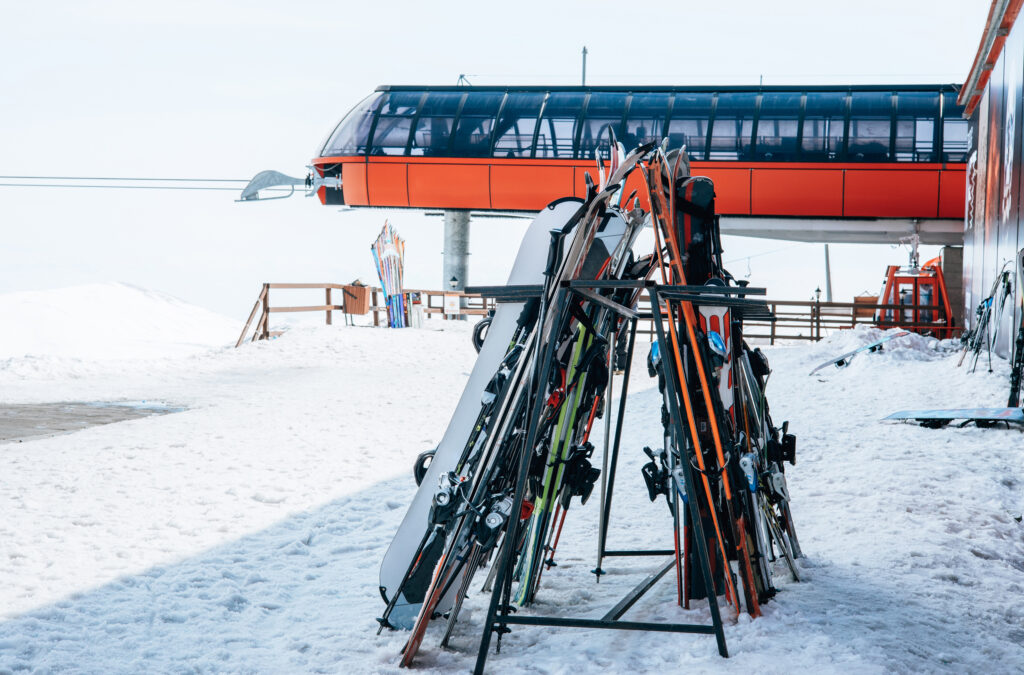
Belgium has a good selection of equipment rental shops, particularly in the Ardennes region. Major ski resorts like Baraque de Fraiture and Ovifat have on-site rental facilities offering a range of skis, snowboards, boots, and protective gear. Renting equipment in advance, especially during peak season, is recommended to ensure availability. For those who prefer to bring their own gear, several specialized shops in Brussels and other major cities sell and service winter sports equipment. These shops also provide expert advice and fitting services to enhance your skiing or snowboarding experience.
Belgium’s modest elevation and terrain mean that backcountry and off-piste skiing opportunities are limited compared to the high mountains of the Alps. However, adventurous skiers can still find some off-piste experiences in the Ardennes. The region’s rolling hills and dense forests offer scenic trails for cross-country skiing and snowshoeing. Local guides and tour companies can provide information on safe routes and conditions, ensuring a memorable and secure adventure. Always check weather conditions and ensure you have the necessary equipment and skills before venturing off-piste.
Accommodation in Belgium ranges from cozy chalets and family-run bed and breakfasts to luxury hotels and self-catering apartments. In the Ardennes, you’ll find a variety of lodgings close to the ski resorts, such as charming cottages and guesthouses that offer a warm and authentic Belgian experience. Booking in advance, particularly during peak ski season, is essential to secure the best options. Many accommodations offer amenities like ski storage, equipment rentals, and packages that include lift passes, making your stay convenient and enjoyable.
Belgium is renowned for its culinary delights, and dining during your ski trip will be a highlight. The country’s cuisine is a blend of French, Dutch, and German influences, offering rich and hearty meals perfect for refueling after a day on the slopes. In the Ardennes, you’ll find traditional dishes such as game stews, sausages, and the famous Belgian fries. Don’t miss the opportunity to indulge in local specialties like waffles, chocolates, and a vast array of beers. Many ski resorts and nearby towns feature cozy restaurants and cafes where you can enjoy these treats in a warm and inviting atmosphere.
Belgium boasts an efficient and extensive public transportation system, making it easy to navigate the country. Trains and buses connect major cities and towns, with regular services to the Ardennes region. Renting a car is a convenient option for those who prefer more flexibility, especially if you’re traveling with ski equipment. The road network is well-maintained, and driving distances are relatively short. Taxis and rideshare services are also available, though they can be more expensive. Always check the weather and road conditions during winter to ensure safe travel.
Belgium boasts an efficient and extensive public transportation system, making it easy to navigate the country. Trains and buses connect major cities and towns, with regular services to the Ardennes region. Renting a car is a convenient option for those who prefer more flexibility, especially if you’re traveling with ski equipment. The road network is well-maintained, and driving distances are relatively short. Taxis and rideshare services are also available, though they can be more expensive. Always check the weather and road conditions during winter to ensure safe travel.
Belgium uses the Euro (EUR) as its currency, and credit and debit cards are widely accepted throughout the country. It’s advisable to carry some cash, especially in more rural areas or small establishments that may not accept cards. ATMs are readily available in cities and towns, allowing you to withdraw cash as needed. Tipping is appreciated but not obligatory, with a standard service charge often included in restaurant bills. Familiarize yourself with the current exchange rates before traveling to manage your expenses effectively.
The primary languages spoken in Belgium are Dutch, French, and German. In the Ardennes, French is the predominant language, while Dutch is more common in the northern regions. English is widely understood, particularly in tourist areas, making communication relatively easy for English-speaking visitors. Learning a few basic phrases in French or Dutch can enhance your travel experience and is often appreciated by locals. Signage and information at ski resorts and major tourist sites are usually available in multiple languages, including English.
Belgium is rich in cultural heritage, with many attractions to explore beyond the ski slopes. The Ardennes region itself is dotted with charming villages, historic castles, and beautiful nature reserves. A visit to the medieval town of Durbuy, known as the “smallest city in the world,” offers a glimpse into Belgium’s past. The country’s capital, Brussels, is renowned for its stunning architecture, museums, and vibrant markets. Don’t miss the opportunity to explore Belgium’s famous breweries and sample some of the best beers in the world.
Belgium has several laws and regulations that tourists should be aware of. Smoking is prohibited in public places, including restaurants and bars, except in designated smoking areas. It’s illegal to consume alcohol in public spaces outside of licensed establishments. Recreational drug use is also illegal and strictly enforced. Wearing a seatbelt is mandatory for all passengers in a vehicle, and using a mobile phone while driving is prohibited unless you have a hands-free system. Adhering to these regulations ensures a safe and law-abiding visit.
Belgium is generally a safe country, but it’s always wise to take standard precautions. Keep an eye on your belongings in crowded areas and be cautious of pickpockets, especially in tourist hotspots. In case of emergency, dial 112 for immediate assistance, which connects you to ambulance, police, and fire services. Ski resorts have their own patrol and medical services, so familiarize yourself with their contact information and procedures. Travel insurance that covers winter sports is highly recommended to protect against accidents and unexpected medical costs.
Before traveling to Belgium, ensure you have comprehensive travel insurance that includes coverage for winter sports activities. This insurance should cover medical expenses, emergency evacuation, and trip cancellations. European visitors should carry their European Health Insurance Card (EHIC), which provides access to necessary state-provided healthcare under the same conditions as Belgian residents. However, EHIC is not a substitute for travel insurance. It’s also advisable to check if any vaccinations or health precautions are recommended before your trip, ensuring you stay healthy and protected during your stay.