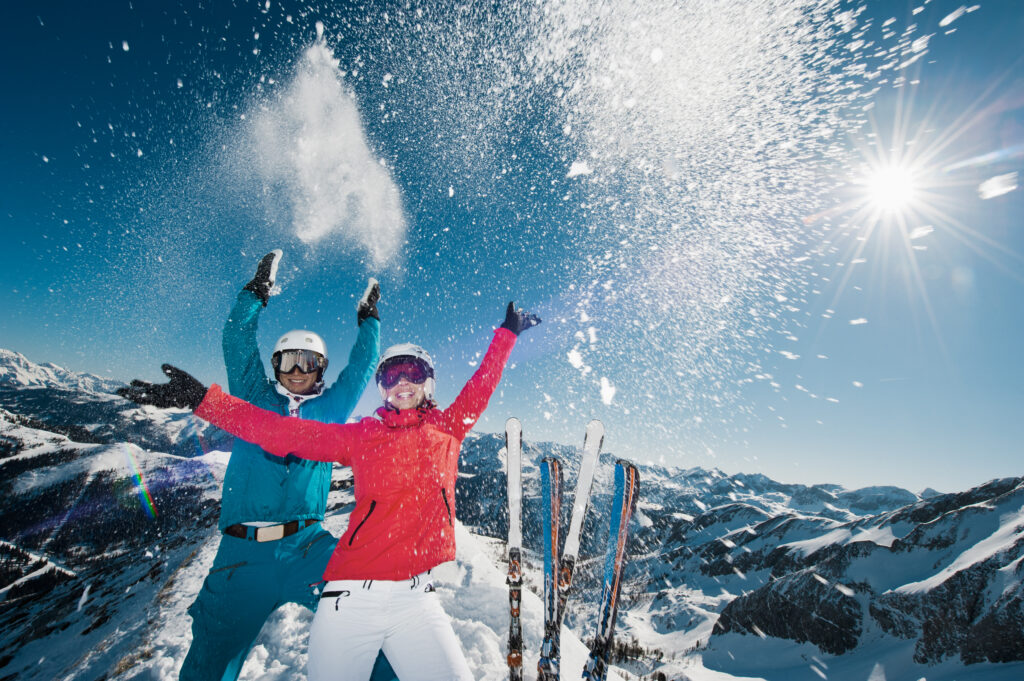
Bolivia, a land of stark contrasts and breathtaking scenery, is an emerging destination for adventurous skiers and snowboarders. Nestled in the heart of South America, Bolivia offers a unique blend of vibrant culture, rich history, and stunning natural landscapes, making it a captivating destination for winter sports enthusiasts. The country’s high-altitude terrain provides challenging slopes and deep powder, attracting those seeking an off-the-beaten-path experience. Bolivia’s ski and snowboard scene may not be as renowned as those in Europe or North America, but its untouched beauty and raw wilderness are what make it a hidden gem for thrill-seekers. Whether you’re carving down the slopes of the Andes or exploring the vast expanses of the Altiplano, Bolivia promises an unforgettable adventure for every level of skier and snowboarder.
Bolivia is situated in central South America, bordered by Brazil, Paraguay, Argentina, Chile, and Peru. The country is characterized by its diverse geography, from the towering peaks of the Andes mountains to the expansive plains of the Amazon basin. The Andes, which run through western Bolivia, are home to some of the country’s most spectacular skiing and snowboarding destinations. La Paz, the administrative capital, sits at an elevation of 3,650 meters (11,975 feet) above sea level, making it one of the highest capital cities in the world and a gateway to the high-altitude ski resorts. The Altiplano, a high plateau in the Andes, provides dramatic landscapes and challenging terrains for winter sports enthusiasts.The Bolivian Andes are a remarkable sight, with their snow-capped peaks and vast, rugged terrains. The Cordillera Real, a subrange of the Andes, is particularly notable for its stunning glaciers and high-altitude lakes. This range includes peaks such as Illimani and Huayna Potosí, which are popular among mountaineers and adventurous skiers. The diverse geography of Bolivia means that winter sports enthusiasts can experience a variety of conditions and terrains, from the dry, powdery snow of the high Andes to the more temperate slopes of the Yungas region.The geography of Bolivia also influences its climate, which can vary dramatically depending on altitude and location. While the highlands experience cold temperatures and frequent snowfall, the lowlands are typically warm and humid. This diversity allows for a wide range of winter sports opportunities, from traditional skiing and snowboarding to backcountry and off-piste adventures.
The best time to visit Bolivia for skiing and snowboarding is during the winter months, which typically run from May to September. During this period, the high-altitude regions of the Andes receive the most snowfall, creating optimal conditions for winter sports. June and July are particularly favorable, with consistent snow cover and clear skies, providing excellent visibility and conditions for skiing and snowboarding.In addition to favorable weather conditions, visiting Bolivia during the winter months also means fewer tourists, allowing for a more serene and intimate experience on the slopes. The lack of crowds ensures that skiers and snowboarders can enjoy the pristine landscapes and uncrowded trails. Moreover, winter in Bolivia coincides with the dry season, reducing the likelihood of rain and increasing the chances of perfect powder days.However, it is important to be prepared for the high altitudes and cold temperatures that come with skiing and snowboarding in Bolivia. The thin air can be challenging for those not accustomed to such elevations, and it is advisable to spend a few days acclimatizing in La Paz or other high-altitude locations before hitting the slopes. Dressing in layers and staying hydrated are essential to ensure a safe and enjoyable winter sports experience.
Travelers planning to visit Bolivia for skiing and snowboarding should be aware of the country’s visa and entry requirements. Citizens of many countries, including the United States, Canada, and the European Union, can enter Bolivia without a visa for stays of up to 90 days. However, it is essential to check the specific requirements for your nationality before traveling, as regulations can change.Upon arrival in Bolivia, travelers must present a valid passport with at least six months of validity remaining. In addition to a passport, visitors may be asked to provide proof of onward travel and sufficient funds to cover their stay. It is also recommended to carry a copy of your travel itinerary and accommodation bookings, as these may be requested by immigration officials.For those who require a visa, it can be obtained from Bolivian consulates or embassies in your home country. Alternatively, some nationalities can obtain a visa on arrival at major entry points, such as international airports and border crossings. The visa application process typically requires a completed application form, passport-sized photos, and a fee, which varies depending on your nationality. Be sure to check the latest information from official sources before your trip to ensure a smooth entry into Bolivia.
Reaching Bolivia for a ski and snowboard adventure is relatively straightforward, with several international airports serving as gateways to the country. The main entry point for most travelers is El Alto International Airport, located near La Paz. This airport is one of the highest in the world, situated at an altitude of 4,061 meters (13,323 feet). It offers direct flights from major cities in South America, as well as connections from the United States and Europe.Another key airport is Viru Viru International Airport in Santa Cruz, which serves as a hub for flights from North America, Europe, and other parts of South America. While Santa Cruz is located in the lowlands, it provides convenient access to the Andean highlands via domestic flights or overland travel. Many travelers choose to fly into Santa Cruz and then take a domestic flight to La Paz or other high-altitude destinations.For those already traveling within South America, Bolivia is well-connected by bus and road networks. Buses from neighboring countries such as Peru, Chile, and Argentina provide an affordable and scenic option for reaching Bolivia. However, be prepared for long travel times and varying road conditions. Regardless of your mode of transportation, planning your journey in advance and allowing extra time for acclimatization to the high altitudes will ensure a more enjoyable ski and snowboard trip.
Bolivia may not be widely known for its ski resorts, but it offers unique and adventurous options for those willing to venture off the beaten path. One of the most notable locations is Chacaltaya, once home to the highest ski resort in the world. Although the resort has ceased operations due to the melting of its glacier, the area still attracts skiers and snowboarders looking for a challenging and remote experience. The surrounding peaks provide opportunities for backcountry skiing and snowboarding, with stunning views of the Andes and the city of La Paz.Another intriguing destination is the Sajama National Park, home to Bolivia’s highest peak, Nevado Sajama. While there are no formal ski resorts in the park, the area offers incredible backcountry skiing and snowboarding opportunities. Adventurers can explore the slopes of Nevado Sajama and the surrounding volcanic peaks, experiencing the thrill of untouched powder and breathtaking landscapes. Guided tours are recommended for safety and to make the most of the terrain.For those seeking more structured skiing and snowboarding experiences, the Bolivian Andes offer several other high-altitude locations with varying levels of difficulty. While these areas may lack the infrastructure of traditional ski resorts, their raw beauty and challenging terrains more than make up for it. Hiring a local guide or joining a guided tour can enhance the experience, providing valuable insights into the best spots and ensuring safety in the rugged Andean environment.
Finding ski and snowboard equipment in Bolivia can be challenging due to the limited number of dedicated shops and rental facilities. However, La Paz and other major cities offer some options for renting or purchasing gear. It is advisable to bring your own equipment if possible, as the selection and quality of rentals may not match the standards found in more established ski destinations.In La Paz, several outdoor and adventure sports shops cater to the needs of skiers and snowboarders. These shops offer a range of equipment, including skis, snowboards, boots, and clothing. While the inventory may be limited, it is possible to find essential gear for your trip. Renting equipment in La Paz before heading to the slopes ensures that you have the necessary gear and can make any adjustments as needed.For those venturing into more remote areas or planning backcountry skiing and snowboarding adventures, it is crucial to be well-prepared. Bringing specialized equipment, such as avalanche safety gear and GPS devices, is recommended. Additionally, seeking advice from local guides and experienced skiers can provide valuable insights into the best equipment and safety measures for the specific terrain and conditions you will encounter in Bolivia.
Bolivia’s rugged and remote landscapes offer some of the most exciting backcountry and off-piste skiing opportunities in South America. The high-altitude terrain and untouched powder attract adventurous skiers and snowboarders looking for a challenge. However, the lack of established ski resorts and infrastructure means that these activities require careful planning, proper equipment, and local knowledge.One of the premier destinations for backcountry skiing in Bolivia is the Cordillera Real. This mountain range, located near La Paz, features numerous peaks and glaciers, providing endless possibilities for off-piste adventures. Popular routes include descents from peaks such as Huayna Potosí and Illimani. Hiring a local guide is highly recommended, as they can provide essential information on the terrain, weather conditions, and safety measures.Another notable area for backcountry skiing is the Sajama National Park. The park’s high-altitude volcanoes, including Nevado Sajama, offer challenging descents and stunning scenery. The remote location and lack of established trails make this an ideal destination for experienced skiers and snowboarders seeking solitude and adventure. Proper acclimatization to the high altitude and carrying adequate supplies are crucial for a safe and enjoyable experience.For those interested in exploring Bolivia’s backcountry, it is essential to prioritize safety. This includes carrying avalanche safety gear, such as beacons, shovels, and probes, and having a solid understanding of avalanche risk and rescue techniques. Additionally, always check weather conditions and consult with local experts before embarking on any backcountry skiing or snowboarding trips.
Accommodation options in Bolivia vary widely, from luxury hotels in major cities to rustic lodges in remote mountain areas. In La Paz, visitors will find a range of hotels catering to different budgets and preferences. Luxury hotels such as Casa Grande Hotel and Atix Hotel offer high-end amenities and comfortable accommodations, while budget travelers can choose from hostels and guesthouses that provide basic yet cozy lodgings.For those seeking a more immersive experience in the Andes, several mountain lodges and eco-resorts provide unique accommodation options. These lodges, often located in stunning natural settings, offer a rustic charm and a chance to connect with the local culture and environment. One such example is the Chalalan Ecolodge in Madidi National Park, which combines comfort with sustainability and cultural immersion.Travelers venturing into remote areas for backcountry skiing and snowboarding may need to consider camping or staying in basic mountain huts. These accommodations provide a closer connection to nature and the pristine landscapes of the Bolivian Andes. It is essential to be well-prepared for these stays, bringing necessary camping gear and supplies to ensure comfort and safety in the challenging mountain environment.
Bolivia’s cuisine is a reflection of its diverse culture and geography, offering a variety of flavors and dishes that are sure to delight visitors. In La Paz and other major cities, travelers can find an array of dining options, from traditional Bolivian restaurants to international cuisine. Traditional Bolivian dishes often feature ingredients such as potatoes, corn, quinoa, and meats, with flavors influenced by indigenous and Spanish culinary traditions.One must-try dish is salteñas, a type of savory pastry filled with meat, vegetables, and spices. These delicious treats are a popular snack and can be found at street vendors and cafes throughout the country. Another traditional dish is pique a lo macho, a hearty plate of beef, sausage, and vegetables served with fries and a spicy sauce. For a taste of Bolivia’s indigenous heritage, try dishes made with quinoa, a superfood that has been cultivated in the Andes for thousands of years.In addition to traditional cuisine, Bolivia’s cities offer a range of international dining options. La Paz, in particular, boasts a vibrant food scene with restaurants serving everything from Italian and French cuisine to Japanese and Indian dishes. The city’s diverse culinary offerings reflect its cosmopolitan nature and provide something for every palate. Whether you’re savoring traditional Bolivian flavors or indulging in international delicacies, the dining experience in Bolivia is sure to be a highlight of your trip.
Navigating Bolivia’s diverse landscapes requires a combination of transportation methods, from domestic flights to buses and taxis. The country’s challenging terrain and high altitudes can make travel difficult, but with careful planning, visitors can reach their desired destinations with ease. La Paz and other major cities serve as transportation hubs, offering various options for getting around the country.Domestic flights are a convenient and time-saving way to travel between Bolivia’s major cities and regions. Airlines such as Boliviana de Aviación (BOA) and Amaszonas operate regular flights connecting La Paz, Santa Cruz, Cochabamba, and other key locations. For travelers heading to remote areas for skiing and snowboarding, flights to smaller airports or airstrips may be necessary, followed by overland travel to reach the final destination.Buses are a popular and affordable mode of transportation in Bolivia, with an extensive network connecting cities and towns. Long-distance buses vary in comfort and quality, ranging from basic to luxurious. For shorter distances or within cities, taxis and shared vans (known as trufis) are readily available. In La Paz, the unique Mi Teleférico cable car system provides a scenic and efficient way to travel between different parts of the city, offering stunning views of the surrounding mountains.
Navigating Bolivia’s diverse landscapes requires a combination of transportation methods, from domestic flights to buses and taxis. The country’s challenging terrain and high altitudes can make travel difficult, but with careful planning, visitors can reach their desired destinations with ease. La Paz and other major cities serve as transportation hubs, offering various options for getting around the country.Domestic flights are a convenient and time-saving way to travel between Bolivia’s major cities and regions. Airlines such as Boliviana de Aviación (BOA) and Amaszonas operate regular flights connecting La Paz, Santa Cruz, Cochabamba, and other key locations. For travelers heading to remote areas for skiing and snowboarding, flights to smaller airports or airstrips may be necessary, followed by overland travel to reach the final destination.Buses are a popular and affordable mode of transportation in Bolivia, with an extensive network connecting cities and towns. Long-distance buses vary in comfort and quality, ranging from basic to luxurious. For shorter distances or within cities, taxis and shared vans (known as trufis) are readily available. In La Paz, the unique Mi Teleférico cable car system provides a scenic and efficient way to travel between different parts of the city, offering stunning views of the surrounding mountains.
The official currency of Bolivia is the Boliviano (BOB). While major cities and tourist areas often accept credit cards, it is advisable to carry cash, especially when traveling to remote locations or smaller towns. ATMs are widely available in cities like La Paz, Santa Cruz, and Cochabamba, allowing visitors to withdraw local currency using international debit or credit cards.When exchanging money, it is recommended to use official exchange offices or banks to ensure fair rates and avoid counterfeit bills. US dollars are widely accepted and can be easily exchanged for Bolivianos. It is advisable to carry small denominations, as larger bills may be difficult to change in smaller establishments or rural areas.For convenience, travelers should ensure they have a mix of payment methods, including cash, credit cards, and a debit card. While larger hotels, restaurants, and shops in major cities accept credit cards, smaller businesses and markets often operate on a cash-only basis. Being prepared with multiple payment options will ensure smooth transactions throughout your trip in Bolivia.
The official languages of Bolivia are Spanish, Quechua, and Aymara, with Spanish being the most widely spoken. In major cities and tourist areas, many people speak English, particularly those working in the hospitality and tourism industries. However, in rural areas and smaller towns, knowledge of Spanish or one of the indigenous languages is essential for effective communication.For travelers who do not speak Spanish, carrying a phrasebook or using a translation app can be helpful. Learning a few basic phrases in Spanish, such as greetings and common questions, can enhance your experience and make interactions with locals more enjoyable. Bolivians are generally friendly and welcoming, and making an effort to speak their language is often appreciated.In terms of communication, Bolivia has a well-developed telecommunications infrastructure, with mobile phone coverage available in most urban areas and tourist destinations. Purchasing a local SIM card with data can be a convenient and cost-effective way to stay connected. Wi-Fi is widely available in hotels, cafes, and restaurants in major cities, allowing travelers to access the internet and stay in touch with family and friends.
Bolivia’s rich cultural heritage and diverse attractions make it a fascinating destination for travelers. From vibrant cities to ancient ruins and stunning natural landscapes, there is no shortage of things to see and do. In La Paz, visitors can explore the bustling markets, historic neighborhoods, and museums that showcase the country’s history and culture. The Witches’ Market, with its array of traditional medicines and ritual items, offers a unique glimpse into Bolivia’s indigenous traditions.One of Bolivia’s most iconic attractions is the Salar de Uyuni, the world’s largest salt flat. This otherworldly landscape, located in the southwest of the country, is a must-visit destination. During the rainy season, the salt flats transform into a giant mirror, creating surreal and breathtaking reflections of the sky. Tours of the Salar de Uyuni often include visits to nearby attractions such as the Eduardo Avaroa Andean Fauna National Reserve and the train cemetery in Uyuni.For those interested in Bolivia’s ancient history, the archaeological site of Tiwanaku is a must-see. Located near Lake Titicaca, Tiwanaku was once the center of a powerful pre-Columbian civilization. The site features impressive stone structures, including the Gate of the Sun and the Akapana pyramid. Exploring Tiwanaku provides valuable insights into the advanced engineering and cultural achievements of this ancient society.
Visitors to Bolivia should be aware of the country’s laws and regulations to ensure a safe and hassle-free trip. Drug laws in Bolivia are strict, and possession or trafficking of illegal substances can result in severe penalties, including imprisonment. It is important to avoid any involvement with drugs and to be cautious of offers from strangers.While Bolivia is generally safe for tourists, it is advisable to take standard precautions to protect yourself and your belongings. This includes avoiding displaying valuable items, being cautious in crowded areas, and using reputable transportation services. In the cities, it is wise to stay in well-lit areas at night and to avoid walking alone in unfamiliar neighborhoods.Travelers should carry identification at all times, as police may conduct random checks. A photocopy of your passport, along with a copy of your visa and entry stamp, is usually sufficient. It is also important to follow local customs and regulations, such as respecting restricted areas and adhering to environmental protection guidelines in national parks and protected areas.
Safety is a priority when traveling in Bolivia, especially when engaging in winter sports activities. Due to the high altitudes and remote locations, it is essential to be well-prepared and informed. Before embarking on any skiing or snowboarding trips, check weather conditions and avalanche risks. Carrying appropriate safety gear, such as helmets, avalanche beacons, and first aid kits, is crucial for your protection.In case of an emergency, Bolivia has a national emergency number, 110, which can be dialed for police assistance. For medical emergencies, dialing 118 will connect you to ambulance services. It is advisable to have a local SIM card or an international roaming plan to ensure you can make emergency calls if needed. Additionally, familiarize yourself with the location of the nearest medical facilities and emergency services in the areas you plan to visit.Travelers should also have comprehensive travel insurance that covers winter sports activities, medical expenses, and emergency evacuation. This insurance will provide peace of mind and financial protection in case of accidents or unforeseen circumstances. It is important to review the terms and conditions of your policy and carry a copy of your insurance documents while traveling.
Health and travel insurance are essential for anyone planning a ski and snowboard trip to Bolivia. The high altitudes and remote locations of many ski areas can pose health risks, so having adequate coverage ensures access to medical care and emergency services. Comprehensive travel insurance should include coverage for winter sports, medical expenses, trip cancellations, and emergency evacuations.Before traveling, check with your healthcare provider about recommended vaccinations for Bolivia. Common vaccinations include hepatitis A, typhoid, and yellow fever, depending on your itinerary and activities. Additionally, altitude sickness can affect visitors to high-altitude areas like La Paz and the Andes. To mitigate the risk, spend a few days acclimatizing, stay hydrated, and avoid strenuous activities upon arrival.In case of medical emergencies, Bolivia has hospitals and clinics in major cities, but facilities in rural areas may be limited. Carrying a basic first aid kit and any necessary prescription medications is advisable. Knowing the location of the nearest medical facilities and having access to emergency contacts can ensure timely and appropriate medical care during your trip.