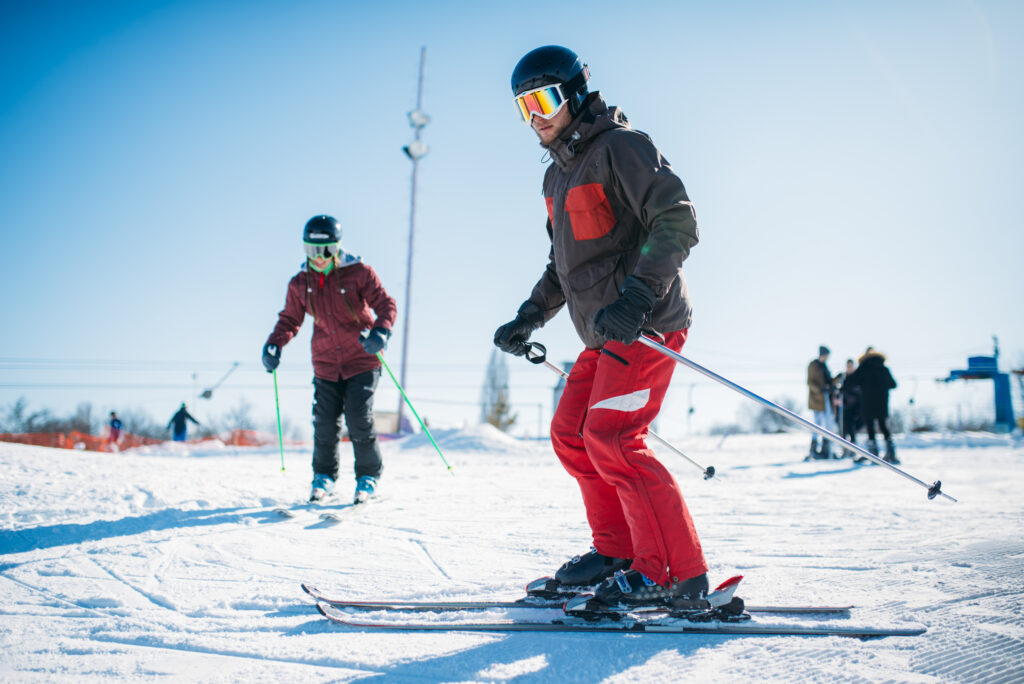
Nestled in the heart of the Balkans, Bulgaria is an often-overlooked gem for winter sports enthusiasts. With its majestic mountain ranges and budget-friendly resorts, this Eastern European country offers a unique blend of excellent skiing and rich cultural experiences. Bulgaria’s ski resorts are increasingly becoming a favored destination for those seeking adventure without the crowds and high prices of Western Europe. From the bustling slopes of Bansko to the serene trails of Pamporovo, Bulgaria caters to both novice skiers and seasoned snowboarders. Its diverse terrain ensures that there is something for everyone, whether you’re carving down groomed runs or tackling challenging off-piste routes.The country’s ski culture is complemented by its warm hospitality, vibrant traditions, and delectable cuisine. Visitors can immerse themselves in the local way of life, enjoying everything from traditional Bulgarian dishes to lively après-ski scenes. With a history that dates back thousands of years, Bulgaria offers more than just winter sports; it provides a rich cultural tapestry that adds depth to any visit. Whether you’re planning a family vacation, a solo adventure, or a trip with friends, Bulgaria’s ski resorts promise unforgettable memories against the backdrop of stunning alpine scenery.
Bulgaria is strategically located in Southeastern Europe, bordered by Romania to the north, Serbia and North Macedonia to the west, Greece and Turkey to the south, and the Black Sea to the east. The country’s topography is dominated by the Balkan Mountains, which stretch from the west to the east of the country, and the Rhodope Mountains in the south. These ranges provide an ideal setting for winter sports, with peaks that soar above 2,000 meters (6,562 feet) and expansive areas of natural beauty.The most popular ski areas are situated in the Rila and Pirin mountain ranges, home to the renowned resorts of Borovets and Bansko, respectively. The Rhodope Mountains, with the resort of Pamporovo, offer gentler slopes perfect for beginners and families. The diverse geographical features of Bulgaria, from its high mountains to its lush valleys, create a varied climate that ensures reliable snowfall during the winter months, making it a perfect destination for ski and snowboard enthusiasts.Apart from the mountains, Bulgaria’s proximity to the Black Sea influences its climate, contributing to milder temperatures in the lower regions and providing a unique contrast to the chilly mountain air. This geographic diversity allows visitors to experience both the thrill of winter sports and the charm of traditional Bulgarian towns and villages, each with its own distinct character and allure.
The prime season for skiing and snowboarding in Bulgaria typically runs from December to April. During this period, the mountain resorts receive abundant snowfall, creating optimal conditions for winter sports. The peak months of January and February offer the best snow cover, with temperatures ranging from -5°C to 5°C (23°F to 41°F), ensuring a reliable and enjoyable skiing experience.For those looking to avoid the busiest times and enjoy quieter slopes, March and early April are excellent choices. The weather during these months is slightly warmer, which can make for more comfortable skiing and snowboarding, especially for beginners and families. Additionally, the spring months often bring sunny days and longer daylight hours, allowing for extended time on the slopes and more opportunities to explore the surrounding areas.Visitors should also consider the timing of local holidays and school vacations, as these can influence the number of people at the resorts. Planning your trip outside of these periods can enhance your experience, providing a more relaxed atmosphere and shorter lift lines. Regardless of when you choose to visit, Bulgaria’s ski resorts offer a delightful mix of snow conditions and cultural experiences that make for a memorable winter getaway.
Bulgaria is part of the European Union, but it is not a member of the Schengen Area. This means that entry requirements can vary depending on your nationality. Citizens of EU and EEA countries can enter Bulgaria with just a valid passport or national ID card and stay for an unlimited period. Travelers from countries outside the EU/EEA should check the specific visa requirements for their nationality, as many are allowed to enter for short stays (up to 90 days within a 180-day period) without a visa.For those who do need a visa, it is advisable to apply well in advance of your travel dates. The process generally requires a completed application form, a valid passport, proof of travel insurance, and documentation of your accommodation and financial means for the duration of your stay. It’s always best to consult the nearest Bulgarian embassy or consulate for the most up-to-date information and requirements.In addition to visa requirements, travelers should ensure their passport is valid for at least six months beyond their intended date of departure from Bulgaria. It’s also recommended to carry a copy of your passport and important travel documents in case of loss or theft. Being prepared with the correct documentation will help ensure a smooth entry into the country, allowing you to focus on enjoying your ski and snowboarding adventure.
Reaching Bulgaria is relatively straightforward, with several international airports offering convenient access to the country. The main entry points are Sofia Airport (SOF), which is well-connected to numerous European cities, and Plovdiv Airport (PDV), which serves as a gateway to the central and southern regions. For travelers heading to the ski resorts, Sofia Airport is the most popular choice, as it is located approximately 70 km (43.5 miles) from Borovets and 160 km (99.4 miles) from Bansko.International flights to Bulgaria are offered by a range of airlines, including budget carriers that provide affordable options for European travelers. From the airport, visitors can easily reach their destinations via rental cars, private transfers, or public transportation. Sofia Airport has a variety of car rental services and regular shuttle buses that connect to the city center, where further transportation options are available.Train and bus services also offer connections to Bulgaria from neighboring countries, such as Romania, Serbia, and Greece. While these options may take longer than flying, they provide a scenic and cost-effective way to travel. Whichever mode of transportation you choose, planning ahead and considering your itinerary will help ensure a smooth journey to Bulgaria’s enchanting ski resorts.
Bulgaria boasts a variety of ski and snowboard resorts, each offering unique experiences and catering to different skill levels. Bansko, perhaps the most famous, is located in the Pirin Mountains and has been steadily gaining international recognition. It features modern facilities, a well-developed lift system, and a diverse range of runs that appeal to both beginners and advanced skiers. The town itself is charming, with cobbled streets and a lively après-ski scene.Borovets, situated in the Rila Mountains, is Bulgaria’s oldest ski resort and offers a mix of historical charm and modern amenities. The resort is known for its vibrant nightlife and extensive ski runs that suit all levels of skiers. Its proximity to Sofia makes it a convenient option for those looking to combine skiing with cultural sightseeing in the capital city. The resort’s infrastructure supports a seamless skiing experience, from well-maintained slopes to efficient ski lifts.Pamporovo, located in the Rhodope Mountains, is ideal for families and beginners due to its gentle slopes and sunny weather. The resort is famous for its stunning natural beauty and relaxing atmosphere. It also provides excellent ski schools and facilities for young children, making it a perfect destination for family vacations. The nearby town offers a range of accommodations and dining options, ensuring a comfortable and enjoyable stay.
In Bulgaria, you will find a variety of equipment rental shops and stores catering to all your skiing and snowboarding needs. Most major resorts, such as Bansko, Borovets, and Pamporovo, have rental services conveniently located near the slopes. These shops offer a wide selection of gear, including skis, snowboards, boots, helmets, and protective gear. Many of the rental shops provide the latest models and well-maintained equipment, ensuring a safe and enjoyable experience on the slopes.Renting equipment in Bulgaria is generally affordable, with prices significantly lower than those in Western European ski destinations. Visitors can choose from daily, weekly, or even seasonal rental packages depending on the length of their stay. Additionally, many rental shops offer discounts for advanced bookings or group rentals, making it a cost-effective option for families and groups of friends.For those interested in purchasing their own equipment, Bulgaria has numerous ski and snowboard shops that sell a variety of brands and products. These shops are typically found in the larger resort areas and cities. Whether you’re looking for high-performance gear or just starting out, the knowledgeable staff can help you find the perfect equipment to match your skill level and preferences.
For the more adventurous skier or snowboarder, Bulgaria offers a wealth of backcountry and off-piste opportunities. The vast and varied terrain of the Rila, Pirin, and Rhodope mountain ranges provides ample scope for exploring beyond the groomed runs. Bansko, in particular, is renowned for its off-piste areas, which include challenging descents and untouched powder fields that attract thrill-seekers from around the world.Guided tours are highly recommended for those venturing into the backcountry. Local guides have extensive knowledge of the terrain and snow conditions, ensuring a safe and exhilarating experience. These tours can be tailored to different skill levels, from intermediate skiers looking to try their hand at off-piste for the first time to expert riders seeking the ultimate adrenaline rush. Equipment such as avalanche transceivers, shovels, and probes is essential and can usually be rented or purchased from local shops.Safety is paramount when skiing or snowboarding off-piste, as conditions can change rapidly. It’s crucial to check weather forecasts, avalanche reports, and local advisories before heading out. Many resorts offer avalanche safety courses and backcountry training, which can be invaluable for those new to off-piste skiing. By taking the necessary precautions and respecting the natural environment, you can fully enjoy the wild beauty of Bulgaria’s backcountry.
Bulgaria’s ski resorts offer a wide range of accommodation options to suit all budgets and preferences. From luxury hotels and cozy chalets to budget-friendly hostels and guesthouses, visitors can find a place to stay that meets their needs. In Bansko, the largest and most developed resort, options range from five-star hotels with spa facilities to charming family-run guesthouses that provide a more intimate and authentic experience.Borovets, with its rich history, also boasts a variety of accommodation choices. Visitors can stay in grand hotels dating back to the early 20th century or opt for modern apartments and lodges. The resort’s close proximity to Sofia means that some travelers choose to stay in the capital city and take day trips to the slopes, enjoying the best of both worlds.Pamporovo caters particularly well to families and groups, with numerous all-inclusive resorts that offer everything from childcare services to organized activities. These comprehensive packages can make for a stress-free vacation, with all the amenities and entertainment you need right at your doorstep. Whether you prefer the convenience of ski-in/ski-out lodgings or the charm of a traditional Bulgarian inn, you’ll find plenty of options to make your stay comfortable and memorable.
Bulgaria offers a delightful culinary experience, with a rich array of traditional dishes that reflect its diverse cultural influences. At the ski resorts, visitors can enjoy hearty meals that provide the perfect fuel for a day on the slopes. Traditional Bulgarian cuisine is characterized by its use of fresh, locally-sourced ingredients, with a strong emphasis on vegetables, dairy products, and grilled meats.One must-try dish is banitsa, a savory pastry filled with cheese and eggs, often enjoyed for breakfast. For a more substantial meal, savor a bowl of kavarma, a slow-cooked stew made with tender meat, vegetables, and aromatic spices. Another popular option is shopska salad, a refreshing mix of tomatoes, cucumbers, onions, and peppers, topped with crumbled white cheese. These dishes are typically accompanied by a slice of crusty bread and a glass of rakia, a traditional Bulgarian fruit brandy.In addition to traditional fare, the ski resorts feature a range of international cuisines, catering to diverse tastes. From Italian pizzerias and sushi bars to cozy cafes and fine dining restaurants, there is something to satisfy every palate. Après-ski, visitors can relax in one of the many mountain huts and bars, enjoying local wines and craft beers alongside stunning alpine views. The warm and inviting atmosphere of Bulgarian dining venues makes every meal a memorable part of your ski vacation.
Getting around Bulgaria is relatively easy, with a range of transportation options available to suit different needs and budgets. For those traveling to ski resorts, rental cars offer the most flexibility, allowing visitors to explore at their own pace. Major car rental companies operate at Sofia Airport and other key locations, providing a variety of vehicle options. Winter tires and snow chains are recommended, especially when driving in mountainous areas.Public transportation is also a viable option, with buses and trains connecting major cities and towns. For example, there are regular bus services from Sofia to Bansko and Borovets, making it convenient for visitors to reach the slopes without the need for a car. The train network, although slower, offers scenic routes and a unique travel experience. Tickets are affordable, and the service is generally reliable, although it is advisable to check schedules in advance.Taxis and private transfers are readily available and can be a convenient choice for groups or those with a lot of luggage. These services can be booked in advance or hailed on the spot in larger towns and cities. For shorter distances within resort areas, shuttle buses often run between accommodations, ski lifts, and local attractions. With a bit of planning, navigating Bulgaria’s transportation network can be a smooth and enjoyable part of your trip.
Getting around Bulgaria is relatively easy, with a range of transportation options available to suit different needs and budgets. For those traveling to ski resorts, rental cars offer the most flexibility, allowing visitors to explore at their own pace. Major car rental companies operate at Sofia Airport and other key locations, providing a variety of vehicle options. Winter tires and snow chains are recommended, especially when driving in mountainous areas.Public transportation is also a viable option, with buses and trains connecting major cities and towns. For example, there are regular bus services from Sofia to Bansko and Borovets, making it convenient for visitors to reach the slopes without the need for a car. The train network, although slower, offers scenic routes and a unique travel experience. Tickets are affordable, and the service is generally reliable, although it is advisable to check schedules in advance.Taxis and private transfers are readily available and can be a convenient choice for groups or those with a lot of luggage. These services can be booked in advance or hailed on the spot in larger towns and cities. For shorter distances within resort areas, shuttle buses often run between accommodations, ski lifts, and local attractions. With a bit of planning, navigating Bulgaria’s transportation network can be a smooth and enjoyable part of your trip.
The official currency of Bulgaria is the Bulgarian Lev (BGN), which is divided into 100 stotinki. The exchange rate is generally favorable for visitors from Western Europe and North America, making Bulgaria an affordable destination for skiing and snowboarding. ATMs are widely available in cities, towns, and ski resorts, allowing for easy access to cash. Most major credit and debit cards are accepted at hotels, restaurants, and larger shops, although it is always wise to carry some cash for smaller establishments and remote areas.Currency exchange offices are also common, especially in tourist areas, but it is advisable to use banks or reputable exchange services to avoid unfavorable rates and fees. When exchanging money, make sure to bring identification, such as a passport, as it may be required. Travelers should also be aware of the current exchange rate to ensure they are getting a fair deal.While tipping is not mandatory in Bulgaria, it is appreciated for good service. In restaurants, it is customary to leave a tip of around 10% of the bill. For other services, such as taxis and hotel staff, rounding up the fare or leaving a small tip is a nice gesture. Being prepared with the local currency and understanding common payment practices will help ensure a smooth and enjoyable trip.
The official language of Bulgaria is Bulgarian, a Slavic language written in the Cyrillic alphabet. While English is widely spoken in tourist areas and by younger Bulgarians, especially in ski resorts, learning a few basic phrases in Bulgarian can enhance your experience and help you connect with locals. Common greetings such as “zdravei” (hello) and “blagodarya” (thank you) are always appreciated.Many signs and menus in tourist areas are bilingual, displaying both Cyrillic and Latin script, making it easier for visitors to navigate. However, outside of the main tourist spots, English may be less commonly spoken, so having a translation app or a phrasebook can be very helpful. Most Bulgarians are friendly and willing to assist travelers, even if there is a language barrier.Communication infrastructure in Bulgaria is modern, with widespread mobile phone coverage and internet access. Free Wi-Fi is commonly available in hotels, restaurants, and cafes, allowing visitors to stay connected. Purchasing a local SIM card is an affordable option for those who need mobile data during their stay. By taking a few steps to prepare, you can ensure effective communication and make the most of your time in Bulgaria.
Bulgaria’s rich history and vibrant culture offer plenty of attractions beyond the ski slopes. The country is home to numerous historical sites, including ancient Thracian tombs, Roman ruins, and medieval monasteries. In Bansko, visitors can explore the old town’s cobblestone streets, traditional houses, and the iconic Holy Trinity Church. The town also hosts the annual Bansko Jazz Festival, which attracts musicians and fans from around the world.Borovets, in addition to its skiing facilities, provides access to cultural excursions such as the Rila Monastery, a UNESCO World Heritage site renowned for its stunning frescoes and architecture. The resort is also close to the town of Samokov, known for its historical museums and traditional crafts. For those interested in nature, the Seven Rila Lakes offer breathtaking views and are a popular destination for hiking and photography.Pamporovo, situated in the Rhodope Mountains, is steeped in folklore and tradition. Nearby, the town of Smolyan boasts a rich cultural heritage with its historic buildings and local festivals. Visitors can also explore the Devil’s Throat Cave, a dramatic underground cavern linked to numerous legends. By taking time to experience Bulgaria’s cultural and natural attractions, you can gain a deeper appreciation for this fascinating country.
When visiting Bulgaria, it’s important to be aware of local laws and regulations to ensure a smooth and trouble-free trip. Drug laws in Bulgaria are strict, and possession or use of illegal substances can result in severe penalties, including imprisonment. It is advisable to avoid any involvement with drugs during your stay. Similarly, public intoxication and disorderly conduct are not tolerated and can lead to fines or arrest.Traffic regulations in Bulgaria require drivers and passengers to wear seat belts at all times, and the use of mobile phones while driving is prohibited unless using a hands-free system. Speed limits are strictly enforced, with urban areas typically limited to 50 km/h (31 mph), rural roads to 90 km/h (56 mph), and highways to 140 km/h (87 mph). Driving under the influence of alcohol is a serious offense, with a blood alcohol limit of 0.05%.Smoking is banned in all indoor public spaces, including restaurants, bars, and public transportation. However, designated smoking areas are usually available. Visitors should also be aware that littering is frowned upon and can incur fines. By adhering to local laws and regulations, you can ensure a respectful and enjoyable visit to Bulgaria.
Bulgaria is generally a safe destination for tourists, but it is always wise to take precautions to ensure your safety. In busy areas and tourist spots, be mindful of your belongings to avoid pickpocketing. Using a money belt or keeping valuables in a secure, zipped bag can help prevent theft. It is also advisable to carry a copy of your passport and important documents, leaving the originals in a secure location such as a hotel safe.For emergency situations, the national emergency number in Bulgaria is 112, which can be dialed for police, medical, and fire services. Ski resorts often have their own patrol and rescue teams, so it’s useful to familiarize yourself with the local emergency procedures and contact information upon arrival. In case of minor injuries or illnesses, pharmacies are widely available, and many pharmacists speak English and can provide over-the-counter medications and advice.Having comprehensive travel insurance that covers medical emergencies, accidents, and trip cancellations is highly recommended. Ensure that your insurance policy includes coverage for winter sports activities, as these are sometimes excluded from standard policies. By taking these precautions and being prepared, you can focus on enjoying your skiing and snowboarding adventure in Bulgaria with peace of mind.
Ensuring you have adequate health and travel insurance is crucial when planning a ski trip to Bulgaria. Travel insurance should cover a range of situations, including medical emergencies, accidents, lost luggage, and trip cancellations. Given the nature of skiing and snowboarding, it’s essential to check that your policy specifically includes coverage for winter sports, as injuries on the slopes can be costly without proper insurance.Bulgaria has a mix of public and private healthcare facilities, with major cities and resort areas offering good medical services. EU citizens can use their European Health Insurance Card (EHIC) to access public healthcare at a reduced cost or sometimes for free. However, the EHIC does not cover all medical expenses or repatriation, so additional insurance is still advisable. Non-EU citizens should ensure their travel insurance provides comprehensive health coverage.In case of a medical emergency, dialing 112 will connect you to emergency services. It’s also beneficial to know the location of the nearest hospital or medical center in your resort area. Carrying a basic first aid kit and any personal medications you may need is a smart precaution. By having robust travel insurance and being prepared for health-related issues, you can enjoy your Bulgarian ski adventure with confidence and security.