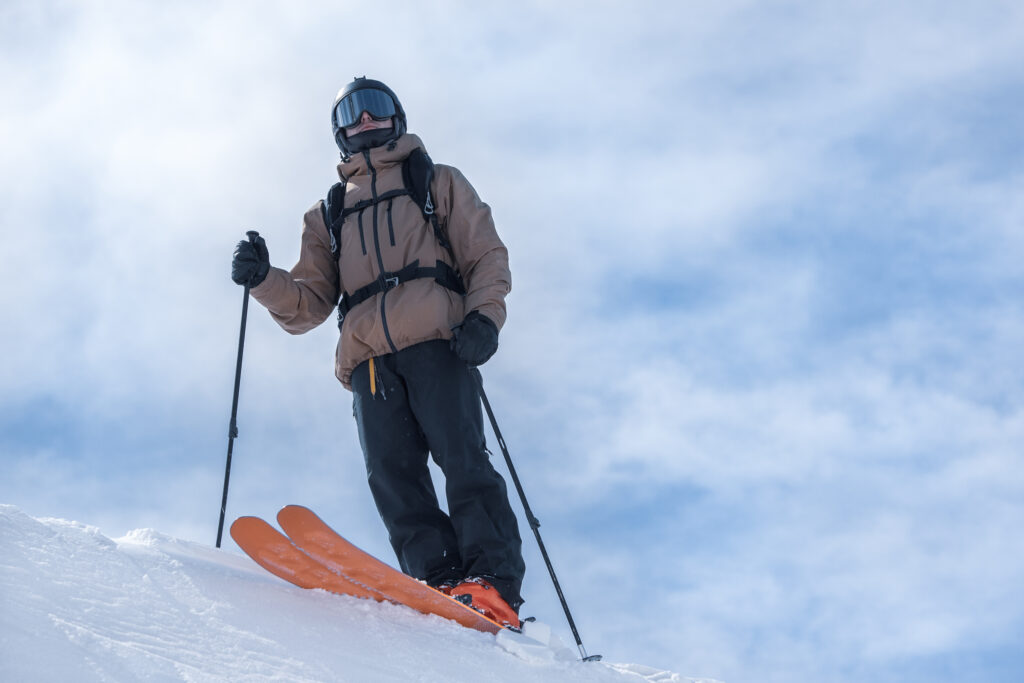
Colombia, a country more renowned for its tropical beaches, coffee plantations, and vibrant cities, might not be the first destination that comes to mind for skiing and snowboarding. However, this South American gem has hidden treasures for winter sports enthusiasts willing to venture off the beaten path. With its towering Andean peaks, Colombia offers a unique skiing and snowboarding experience unlike any other. Imagine descending pristine slopes with panoramic views of lush valleys and coffee fields stretching out below – this is skiing in Colombia. While the country’s ski scene is still developing, it provides an extraordinary blend of adventure and culture, promising unforgettable moments both on and off the slopes.
Colombia is situated in the northwest of South America, bordered by Venezuela, Brazil, Peru, Ecuador, and Panama. The country is characterized by a diverse landscape that includes Amazon rainforests, Caribbean coastlines, and, crucially for skiers and snowboarders, the majestic Andes mountain range. The Andes in Colombia are split into three parallel mountain chains: the Western, Central, and Eastern Cordilleras. These ranges create a varied terrain with altitudes that provide suitable conditions for winter sports, especially in the central and eastern parts of the country.
The most prominent skiing locations in Colombia are found in the Central Cordillera, where the Nevado del Ruiz volcano stands as a significant landmark. At 5,321 meters (17,457 feet), it offers one of the highest and most unique skiing experiences in South America. The mountainous regions are characterized by their volcanic landscapes, lush high-altitude forests, and unique ecosystems, making them ideal for adventurous skiers and snowboarders seeking something beyond the typical alpine experience.
The best time to visit Colombia for skiing and snowboarding is during the dry season, which typically runs from December to March and again from July to August. These months offer the most reliable conditions for winter sports, with clear skies and stable weather patterns. During these periods, the high-altitude regions receive sufficient snowfall, and the conditions are optimal for both skiing and snowboarding.
Visiting during the dry season also ensures that travelers can enjoy Colombia’s other attractions without the hindrance of heavy rains. The shoulder months, particularly April and November, can also be considered for a visit, but weather conditions may be less predictable. It’s essential to check local forecasts and conditions before planning a trip, as the climate can vary significantly across different regions of the country.
Travelers to Colombia must ensure their documentation is in order before embarking on their journey. Citizens of many countries, including the United States, Canada, the European Union, and Australia, can enter Colombia without a visa for stays of up to 90 days. However, it’s always advisable to check the latest requirements from official government sources or the Colombian consulate in your home country, as regulations can change.
For those requiring a visa, the process is generally straightforward. Applicants need to provide a valid passport, a completed application form, proof of onward travel, and sufficient funds to cover their stay. Additionally, Colombia mandates that passports must be valid for at least six months from the date of entry. Always verify the latest entry requirements to avoid any last-minute complications.
Upon arrival, travelers are typically issued a 90-day tourist permit, which can be extended for an additional 90 days at the discretion of Colombian immigration authorities. It’s essential to keep a copy of your entry stamp and any extension paperwork handy throughout your stay.
Reaching Colombia is relatively easy, with numerous international flights arriving daily at major airports such as El Dorado International Airport in Bogotá, José María Córdova International Airport in Medellín, and Rafael Núñez International Airport in Cartagena. Direct flights are available from many major cities in North America, Europe, and other parts of South America, making it accessible for international travelers.
From the United States, several airlines offer direct flights to Bogotá, Medellín, and Cartagena, including American Airlines, Delta, and Avianca, Colombia’s national carrier. European travelers can find direct flights from major hubs such as Madrid, Paris, and Frankfurt. For those traveling within South America, regional airlines provide frequent connections to Colombia from neighboring countries.
Once in Colombia, domestic flights are the most efficient way to travel between cities and regions, given the country’s vast and diverse terrain. Avianca, LATAM, and Viva Air offer extensive domestic routes, making it easy to reach skiing destinations from major cities. Alternatively, long-distance buses provide a more economical, albeit slower, option for traveling within the country.
Colombia’s ski and snowboard scene is unique, primarily centered around the Nevado del Ruiz volcano. While the country does not have the extensive resort infrastructure found in traditional skiing destinations, it offers adventurous skiing and snowboarding opportunities for those willing to explore. Nevado del Ruiz, part of the Los Nevados National Natural Park, is the primary spot for winter sports.
At Nevado del Ruiz, skiers and snowboarders can experience high-altitude skiing with breathtaking views of the surrounding landscapes. The slopes here are not groomed like traditional ski resorts, providing a raw and natural skiing experience. The area offers both challenging descents for experienced skiers and gentler slopes for beginners. Guided tours are available and recommended, as the terrain can be unpredictable, and local guides provide valuable knowledge and safety measures.
Another emerging destination is the Sierra Nevada del Cocuy, located in the Eastern Cordillera. This remote and stunning range offers opportunities for backcountry skiing and snowboarding. While the infrastructure is minimal, the pristine snow and dramatic scenery make it a worthy destination for thrill-seekers. Due to its remoteness, proper planning and preparation are crucial for a safe and enjoyable trip.
Given the nascent state of Colombia’s skiing and snowboarding industry, equipment rentals and shops are not as widespread or as well-stocked as in more established destinations. However, gear can be rented in major cities like Bogotá and Medellín before heading to the slopes. Specialized outdoor adventure shops provide rental services for skis, snowboards, boots, and other necessary equipment.
In Bogotá, stores such as Montaña y Aventura and Nomada Store offer a range of rental options and gear suitable for high-altitude skiing. It’s advisable to reserve equipment in advance, especially during peak seasons, to ensure availability. These shops also sell essential items like thermal clothing, gloves, and goggles, which might be difficult to find in smaller towns or near the ski areas.
For those planning to ski at Nevado del Ruiz, some local operators provide basic rental services at the base of the volcano. However, the selection may be limited, and it’s recommended to bring your gear if possible or rent from larger cities beforehand. Ensuring your equipment is well-maintained and suitable for the high-altitude conditions is crucial for a safe and enjoyable experience.
Colombia’s mountainous terrain offers excellent opportunities for backcountry and off-piste skiing, especially for those looking to escape crowded resorts and explore untouched snow. The remote regions of the Andes, particularly around Nevado del Ruiz and Sierra Nevada del Cocuy, provide a pristine and challenging environment for experienced skiers and snowboarders.
Backcountry skiing in Colombia requires thorough preparation and a good understanding of the terrain. Hiring a local guide is highly recommended, as they possess invaluable knowledge about the best routes, weather conditions, and potential hazards. Guided tours often include necessary safety equipment such as avalanche beacons, probes, and shovels, which are essential for navigating the unpredictable backcountry terrain.
For off-piste enthusiasts, the volcanic slopes of Nevado del Ruiz offer a variety of runs with differing difficulty levels. From steep, adrenaline-pumping descents to more gentle and scenic routes, there is something for every adventurous skier. The Sierra Nevada del Cocuy, with its rugged and remote landscape, is another excellent option for backcountry skiing. Proper acclimatization to the high altitudes is essential, and skiers should be prepared for rapidly changing weather conditions.
Colombia offers a wide range of accommodation options to suit various budgets and preferences, from luxury hotels to budget-friendly hostels and guesthouses. In major cities like Bogotá, Medellín, and Manizales, visitors can find international hotel chains, boutique hotels, and charming bed and breakfasts. These cities serve as convenient bases for traveling to the ski areas.
Near Nevado del Ruiz, the town of Manizales is a popular choice for accommodation. It offers a variety of lodging options, including hotels, eco-lodges, and hostels. Staying in Manizales provides easy access to the slopes and an opportunity to explore the town’s vibrant culture and hot springs. Some eco-lodges near the base of the volcano offer a unique experience with stunning views and cozy, rustic accommodations.
For those venturing to the Sierra Nevada del Cocuy, accommodation options are more limited and basic, often consisting of small guesthouses and mountain huts. It’s essential to book in advance and be prepared for a more rustic experience. These accommodations, however, provide an authentic and immersive experience, allowing travelers to connect with the local culture and natural beauty of the region.
Colombian cuisine is a delightful blend of indigenous, Spanish, African, and Middle Eastern influences, offering a rich array of flavors and dishes. In major cities like Bogotá and Medellín, visitors can enjoy a diverse culinary scene, from traditional Colombian fare to international cuisines. Local markets, street food vendors, and upscale restaurants all contribute to the vibrant food culture.
Near the ski areas, particularly in towns like Manizales, traditional Colombian dishes are a highlight. Ajiaco, a hearty chicken and potato soup, is a must-try, especially in the cooler mountain climate. Bandeja Paisa, a platter featuring beans, rice, ground beef, plantains, chorizo, and a fried egg, is another popular dish that provides the energy needed for a day on the slopes. Don’t miss out on trying local coffee, as the region is famous for its high-quality beans.
In remote areas like the Sierra Nevada del Cocuy, dining options are more limited, often consisting of simple, home-cooked meals at guesthouses. These meals typically feature local ingredients and traditional recipes, providing a taste of the region’s culinary heritage. It’s advisable to bring some non-perishable snacks and essentials if planning to spend extended time in these remote areas.
Navigating Colombia’s diverse terrain requires careful planning, and various transportation options are available to facilitate travel within the country. Domestic flights are the fastest and most convenient way to travel between major cities and regions, with frequent services offered by airlines such as Avianca, LATAM, and Viva Air. For skiing destinations, flying into cities like Bogotá or Medellín and then taking a domestic flight or ground transportation to closer towns is common.
Long-distance buses provide an economical alternative for traveling within Colombia, although travel times can be lengthy due to the mountainous terrain. Companies like Expreso Brasilia and Bolivariano offer comfortable bus services connecting major cities and towns. For reaching ski areas such as Nevado del Ruiz, buses from Bogotá to Manizales are a popular choice, followed by local transport to the slopes.
Car rentals are another option, providing flexibility to explore at your own pace. Major car rental companies have offices in cities and airports, offering a range of vehicles. However, driving in Colombia requires caution due to variable road conditions and mountainous routes. It’s essential to have a reliable GPS, understand local driving laws, and be prepared for the unique challenges of high-altitude driving.
Navigating Colombia’s diverse terrain requires careful planning, and various transportation options are available to facilitate travel within the country. Domestic flights are the fastest and most convenient way to travel between major cities and regions, with frequent services offered by airlines such as Avianca, LATAM, and Viva Air. For skiing destinations, flying into cities like Bogotá or Medellín and then taking a domestic flight or ground transportation to closer towns is common.
Long-distance buses provide an economical alternative for traveling within Colombia, although travel times can be lengthy due to the mountainous terrain. Companies like Expreso Brasilia and Bolivariano offer comfortable bus services connecting major cities and towns. For reaching ski areas such as Nevado del Ruiz, buses from Bogotá to Manizales are a popular choice, followed by local transport to the slopes.
Car rentals are another option, providing flexibility to explore at your own pace. Major car rental companies have offices in cities and airports, offering a range of vehicles. However, driving in Colombia requires caution due to variable road conditions and mountainous routes. It’s essential to have a reliable GPS, understand local driving laws, and be prepared for the unique challenges of high-altitude driving.
The official currency of Colombia is the Colombian Peso (COP). Major cities and tourist areas have ample ATMs and currency exchange facilities, making it easy for travelers to access cash. Credit and debit cards are widely accepted in hotels, restaurants, and shops in urban areas. However, it’s advisable to carry some cash, especially when traveling to remote regions or smaller towns where card payments may not be accepted.
Exchanging money at official exchange bureaus or banks ensures the best rates and security. While US dollars are sometimes accepted in tourist areas, it’s best to have local currency for convenience and to avoid unfavorable exchange rates. ATMs are readily available in cities and towns, but travelers should be aware of withdrawal limits and potential fees.
When traveling to ski areas, especially remote locations like the Sierra Nevada del Cocuy, it’s crucial to carry sufficient cash for the duration of your stay. Many small guesthouses, local guides, and smaller restaurants operate on a cash-only basis. Planning ahead and having the necessary funds ensures a smooth and enjoyable trip.
Spanish is the official language of Colombia, and while English is spoken in major tourist areas and by some younger Colombians, having a basic understanding of Spanish can significantly enhance your travel experience. Simple phrases and polite greetings in Spanish go a long way in interacting with locals and navigating daily activities.
In larger cities like Bogotá and Medellín, many people working in the tourism industry speak some English, making communication easier for international visitors. However, in more remote areas, including ski regions such as Nevado del Ruiz and Sierra Nevada del Cocuy, English speakers are less common. Having a translation app or phrasebook can be very helpful in these situations.
Learning a few key phrases, such as asking for directions, ordering food, or expressing basic needs, shows respect for the local culture and fosters positive interactions. Colombians are generally warm and friendly, and efforts to speak Spanish are often met with appreciation and helpfulness.
Colombia’s rich cultural heritage and vibrant traditions offer travelers a multitude of attractions and experiences beyond the slopes. In cities like Bogotá and Medellín, visitors can explore world-class museums, historic neighborhoods, and lively markets. The Gold Museum in Bogotá, housing the largest collection of pre-Hispanic gold artifacts, is a must-visit. Medellín’s transformation, showcased in its innovative public spaces and cultural hubs, provides a fascinating urban experience.
In the coffee-growing regions near ski areas, coffee tours offer insights into the cultivation and production of some of the world’s finest coffee. Towns like Salento and Manizales are gateways to these experiences, where visitors can tour plantations, sample freshly brewed coffee, and learn about the region’s history. The Cocora Valley, with its towering wax palms, provides a stunning backdrop for hiking and outdoor activities.
The warmth and hospitality of the Colombian people enhance any visit. Traditional festivals, such as the Carnaval de Barranquilla and the Feria de las Flores in Medellín, showcase the country’s festive spirit and cultural vibrancy. Participating in local celebrations and engaging with the community add a memorable dimension to any skiing trip in Colombia.
Understanding and adhering to local laws and regulations is essential for a safe and enjoyable trip to Colombia. Drug laws are strict, and possession or use of illegal substances can result in severe penalties, including imprisonment. It’s crucial to avoid any involvement with drugs and to be aware of local regulations regarding alcohol consumption, which is legal for those over 18.
Environmental conservation is taken seriously in Colombia, especially in protected areas like national parks. Visitors should respect guidelines, such as not disturbing wildlife, staying on designated trails, and disposing of waste properly. Fines can be imposed for littering or damaging natural habitats. Responsible tourism practices help preserve Colombia’s natural beauty for future generations.
When traveling, always carry identification, such as a photocopy of your passport, and follow local authorities’ instructions. It’s also advisable to register with your embassy or consulate upon arrival for any necessary assistance during your stay. Familiarizing yourself with local laws ensures a respectful and trouble-free visit.
Colombia has made significant strides in improving safety for tourists, but it’s essential to remain vigilant and take precautions. Stick to well-known and populated areas, especially at night, and avoid displaying valuable items openly. Using reputable transportation services, such as registered taxis or ride-sharing apps, adds an extra layer of security.
When skiing or snowboarding, ensure you have the appropriate safety gear and are aware of the terrain and weather conditions. Skiing with a guide in unfamiliar areas is advisable, particularly in backcountry regions. Inform someone of your plans and expected return time when venturing into remote areas.
Emergency contacts are crucial for a safe trip. The national emergency number in Colombia is 123, which can be dialed for police, medical, or fire emergencies. Additionally, having the contact information for your country’s embassy or consulate in Colombia is helpful for any assistance needed during your stay. Staying informed and prepared enhances safety and peace of mind while exploring Colombia.
Comprehensive health and travel insurance are vital for any trip to Colombia, covering potential medical emergencies, trip cancellations, and loss of belongings. Ensure your insurance includes coverage for high-altitude activities such as skiing and snowboarding, as these can pose specific risks. Familiarize yourself with the terms and conditions of your policy to understand what is covered.
Colombia has both public and private healthcare systems, with private hospitals and clinics in major cities offering high-quality care. In remote areas, medical facilities may be limited, making insurance with evacuation coverage crucial. Carry a basic first aid kit and any personal medications, as specific brands may not be readily available locally.
Vaccinations are recommended before traveling to Colombia, including those for yellow fever, hepatitis A and B, and typhoid. It’s advisable to consult a healthcare professional for personalized recommendations based on your travel itinerary. Ensuring you have the necessary vaccinations and insurance coverage provides peace of mind and allows you to focus on enjoying your skiing adventure in Colombia.