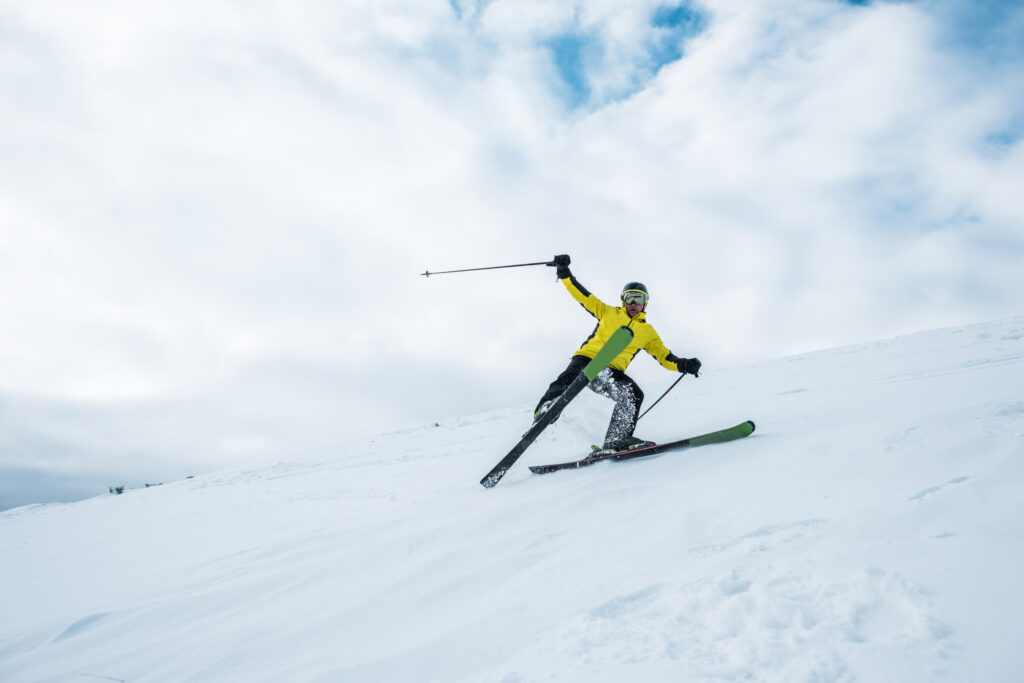
Croatia, renowned for its stunning Adriatic coastline and rich cultural heritage, is also a hidden gem for winter sports enthusiasts. While it may not be the first destination that comes to mind for skiing and snowboarding, Croatia offers a unique blend of scenic beauty and exhilarating slopes. The country’s mountainous regions, particularly in the north and central parts, are home to several ski resorts that cater to both beginners and seasoned athletes. Whether you’re seeking well-groomed pistes, thrilling backcountry adventures, or family-friendly resorts, Croatia has something to offer. Beyond the slopes, visitors can immerse themselves in the charming local culture, enjoy delectable cuisine, and relax in cozy accommodations. This guide provides an in-depth look at everything you need to know for an unforgettable ski and snowboard trip to Croatia.
Croatia is located in Southeast Europe, bordered by Slovenia to the northwest, Hungary to the northeast, Serbia to the east, Bosnia and Herzegovina to the southeast, and Montenegro to the south. The country also has a long coastline along the Adriatic Sea to the west. Croatia’s diverse landscape includes coastal areas, plains, and mountainous regions, with the Dinaric Alps stretching along the western border. These mountains provide the perfect terrain for winter sports, with the highest peak, Dinara, reaching 1,831 meters (6,007 feet) above sea level.The ski resorts are primarily located in the Gorski Kotar region and around the city of Zagreb. The Gorski Kotar area is known for its dense forests and picturesque landscapes, making it an ideal destination for winter activities. Additionally, the proximity of these resorts to major cities like Zagreb ensures easy access and a variety of amenities for visitors. The combination of natural beauty and well-maintained facilities makes Croatia a compelling destination for skiing and snowboarding enthusiasts.
The best time to visit Croatia for skiing and snowboarding is from December to March, when the snow conditions are most reliable. During these months, the ski resorts are in full operation, offering a range of activities and events for visitors. January and February typically see the most snowfall, providing optimal conditions for both on-piste and off-piste adventures.Early December and late March can also be good times to visit for those looking to avoid the peak season crowds. While the snowfall may be less predictable during these periods, many resorts have snowmaking capabilities to ensure good coverage on the slopes. Additionally, visiting during the shoulder season can result in lower accommodation rates and a more relaxed atmosphere.It’s important to check the specific conditions and weather forecasts for the region you plan to visit, as snowfall can vary significantly between different parts of the country. Staying informed about current conditions will help ensure a safe and enjoyable trip.
Croatia is a member of the European Union, and visitors from EU member states do not require a visa for stays of up to 90 days. Travelers from other countries, including the United States, Canada, Australia, and New Zealand, can also enter Croatia without a visa for short stays, typically up to 90 days within a 180-day period. However, it’s always best to check the latest requirements before traveling, as regulations can change.For longer stays or other specific purposes such as work or study, travelers will need to apply for a visa or residence permit. This process usually requires submitting an application to a Croatian consulate or embassy in your home country. Required documents typically include a valid passport, proof of accommodation, and evidence of sufficient funds for the duration of your stay.Upon arrival, make sure your passport is stamped at the border to ensure your stay is recorded correctly. Also, be aware that Croatia is not part of the Schengen Area, so Schengen visas are not valid for entry. Always carry your passport or a copy of it while traveling within the country, as you may be required to show it for identification.
Getting to Croatia is relatively straightforward, with several international airports providing easy access to the country’s ski regions. The main international airports are located in Zagreb, Split, and Dubrovnik, with Zagreb being the most convenient for reaching the ski resorts. Zagreb’s Franjo Tuđman Airport (ZAG) offers numerous flights from major European cities and some intercontinental routes.From the airport, travelers can reach the ski resorts by rental car, shuttle service, or public transportation. Renting a car provides the most flexibility, allowing visitors to explore multiple resorts and the surrounding areas at their own pace. Shuttle services and private transfers are also available, offering a convenient and hassle-free way to get directly to your accommodation.For those traveling from nearby European countries, driving to Croatia is a viable option. The country has a well-maintained network of highways and roads, making it accessible by car. Additionally, international bus and train services connect Croatia with its neighboring countries, providing an alternative for those who prefer not to fly or drive.
Croatia offers several ski resorts that cater to different skill levels and preferences. One of the most popular resorts is Platak, located in the Gorski Kotar region. Platak is known for its family-friendly atmosphere and stunning views of the Adriatic Sea from its slopes. It offers a range of runs suitable for beginners and intermediate skiers, as well as a snow park for snowboarders.Another notable resort is Sljeme, situated on the Medvednica mountain near Zagreb. Sljeme is easily accessible from the capital, making it a favorite among locals and tourists alike. The resort features well-groomed pistes, night skiing, and modern facilities, ensuring a comfortable and enjoyable experience. It also hosts international ski competitions, adding to its appeal.For those seeking a more rustic experience, Bjelolasica is an excellent choice. This resort is part of the Croatian Olympic Centre and offers a variety of runs surrounded by pristine nature. Bjelolasica is ideal for skiers and snowboarders who appreciate a quieter environment and a closer connection to nature. The resort also offers cross-country skiing trails and other winter activities.
Most ski resorts in Croatia have equipment rental shops where visitors can rent skis, snowboards, boots, and other necessary gear. These shops typically offer a range of options, from basic equipment for beginners to high-performance gear for more experienced riders. It’s advisable to reserve equipment in advance, especially during peak season, to ensure availability.In addition to rental shops at the resorts, larger cities like Zagreb have numerous ski and snowboard shops that offer both rentals and sales. These shops often provide a wider selection of equipment, including specialized gear and accessories. Knowledgeable staff can help you choose the right equipment based on your skill level and preferences.For those planning extended stays or frequent visits, purchasing equipment might be more economical in the long run. Many shops offer seasonal sales and discounts, making it a good time to invest in your own gear. Additionally, having your own equipment ensures a perfect fit and familiarity, enhancing your overall skiing or snowboarding experience.
Croatia’s diverse terrain offers excellent opportunities for backcountry and off-piste skiing. The Gorski Kotar region, with its dense forests and varied landscape, is a prime location for these activities. Skiers and snowboarders can explore untouched snow and enjoy the solitude of the natural surroundings. However, it’s crucial to be well-prepared and aware of the risks involved in backcountry skiing.Hiring a local guide is highly recommended for those unfamiliar with the area. Guides have extensive knowledge of the terrain, weather conditions, and potential hazards, ensuring a safer and more enjoyable experience. They can also lead you to the best spots for fresh powder and provide valuable tips on navigating the backcountry.Always carry essential safety equipment, such as avalanche beacons, shovels, and probes, and ensure you know how to use them. Check the weather and avalanche forecasts before heading out, and never venture into the backcountry alone. Being well-prepared and informed is key to enjoying the thrill of off-piste skiing while minimizing risks.
Croatia offers a wide range of accommodation options to suit different budgets and preferences. Near the ski resorts, you’ll find everything from cozy mountain lodges and chalets to modern hotels and guesthouses. Many of these accommodations offer ski-in/ski-out access, allowing for maximum convenience and time on the slopes.For those seeking a more luxurious experience, several high-end hotels and resorts provide top-notch amenities such as spa facilities, gourmet dining, and concierge services. These accommodations often have packages that include lift tickets and equipment rentals, making it easier to plan your trip. The charming town of Delnice in the Gorski Kotar region is home to several such establishments.Budget-conscious travelers can opt for hostels, family-run guesthouses, or vacation rentals. These options provide a more affordable way to enjoy Croatia’s ski regions without sacrificing comfort. Additionally, staying in nearby towns and commuting to the resorts can offer more accommodation choices and potentially lower rates.
Croatia’s cuisine is a delightful blend of Mediterranean and Central European influences, offering a variety of flavors to suit every palate. At the ski resorts and surrounding areas, you’ll find numerous restaurants and cafes serving both traditional Croatian dishes and international fare. Enjoy hearty meals that provide the energy needed for a day on the slopes.Traditional Croatian cuisine often features meats, seafood, fresh vegetables, and a range of dairy products. Popular dishes include “čevapi” (grilled meat sausages), “sarma” (cabbage rolls stuffed with meat and rice), and “pašticada” (a slow-cooked beef stew). Don’t miss the opportunity to try local cheeses and charcuterie, which are perfect for a quick snack or light lunch.In addition to local specialties, most ski resorts have a selection of international dining options, including Italian, Austrian, and German cuisine. From casual eateries to fine dining restaurants, you’ll find something to satisfy your cravings. Many establishments also offer vegetarian and vegan options, ensuring that all dietary preferences are catered to.
Transportation within Croatia is efficient and relatively easy to navigate. For those traveling to ski resorts, renting a car is the most convenient option, offering flexibility and the ability to explore multiple locations. Major car rental companies operate in the main cities and airports, providing a range of vehicles suitable for winter driving.Public transportation is also available and reliable. Buses connect major cities with ski resorts, and some resorts offer shuttle services from nearby towns and cities. Trains are another option, particularly for reaching destinations in the northern part of the country. Croatia’s railway network is well-connected, though it may require transfers to reach more remote areas.Taxis and ride-sharing services like Uber are available in larger cities and can be used for short trips or when public transportation is less convenient. Always ensure that taxis are licensed and agree on the fare beforehand. For those staying in resort areas, walking and resort shuttles are often sufficient for getting around locally.
Transportation within Croatia is efficient and relatively easy to navigate. For those traveling to ski resorts, renting a car is the most convenient option, offering flexibility and the ability to explore multiple locations. Major car rental companies operate in the main cities and airports, providing a range of vehicles suitable for winter driving.Public transportation is also available and reliable. Buses connect major cities with ski resorts, and some resorts offer shuttle services from nearby towns and cities. Trains are another option, particularly for reaching destinations in the northern part of the country. Croatia’s railway network is well-connected, though it may require transfers to reach more remote areas.Taxis and ride-sharing services like Uber are available in larger cities and can be used for short trips or when public transportation is less convenient. Always ensure that taxis are licensed and agree on the fare beforehand. For those staying in resort areas, walking and resort shuttles are often sufficient for getting around locally.
The official currency of Croatia is the Croatian Kuna (HRK). It’s advisable to carry some cash, especially when visiting smaller towns or remote areas where card payments may not be accepted. ATMs are widely available in cities and tourist areas, allowing for easy withdrawal of local currency.Credit and debit cards are commonly accepted in hotels, restaurants, and shops, particularly in larger cities and tourist destinations. Visa and MasterCard are the most widely accepted, while American Express and Discover may be less commonly used. It’s always a good idea to inform your bank of your travel plans to avoid any issues with card usage.Tipping is customary in Croatia, though not obligatory. In restaurants, rounding up the bill or leaving a 10% tip is generally appreciated. For other services, such as taxi rides and hotel staff, a small tip is welcome but not expected. Always check your bill for any included service charges before adding a tip.
The official language of Croatia is Croatian, a South Slavic language that uses the Latin alphabet. English is widely spoken, especially in tourist areas, hotels, and restaurants, making it relatively easy for English-speaking visitors to communicate. Additionally, many Croatians speak other languages such as German and Italian.Learning a few basic Croatian phrases can enhance your travel experience and show respect for the local culture. Simple greetings, thank you, and please are always appreciated by locals and can go a long way in establishing friendly interactions. Phrasebooks and translation apps can be handy tools for those looking to learn more of the language.Wi-Fi is widely available in hotels, cafes, and public spaces, allowing for easy communication and internet access. Mobile phone coverage is also extensive, and purchasing a local SIM card can be a cost-effective option for staying connected. Major mobile providers offer prepaid plans with data, which can be useful for navigation and keeping in touch with home.
Croatia boasts a rich cultural heritage, with numerous historical sites, museums, and natural attractions to explore. While the primary focus of a ski trip may be the slopes, taking time to visit some of these attractions can greatly enrich your experience. The capital city, Zagreb, is known for its vibrant arts scene, museums, and charming old town.In the Gorski Kotar region, the town of Delnice offers a glimpse into traditional Croatian life with its quaint architecture and local crafts. Nearby, the Risnjak National Park is a haven for nature lovers, featuring stunning landscapes, hiking trails, and diverse wildlife. Winter visitors can enjoy snowshoeing and cross-country skiing in this beautiful setting.Croatia’s coastal areas are also worth exploring, with historic cities like Split and Dubrovnik offering a wealth of cultural and historical sites. While these locations are more popular during the summer months, their mild winter climate and fewer tourists make them an attractive option for a day trip or a short stay.
Understanding local laws and regulations is crucial for a trouble-free trip. Croatia has strict laws regarding drug use and possession, with severe penalties for violations. It’s important to adhere to these laws and avoid any involvement with illegal substances. Smoking is prohibited in most indoor public spaces, including restaurants and bars, though some establishments have designated smoking areas.Driving in Croatia requires a valid driver’s license, and the use of seat belts is mandatory for all passengers. The legal blood alcohol limit for drivers is 0.05%, and strict penalties apply for exceeding this limit. Winter tires are required from November to April in certain regions, including areas with ski resorts, so ensure your rental car is properly equipped.Public transportation tickets should be purchased in advance and validated before use. Failure to do so can result in fines. Additionally, always carry identification, such as a passport or a copy of it, as you may be required to show it to authorities. Being aware of and following local laws helps ensure a safe and enjoyable visit.
Safety is a priority when traveling, especially for winter sports. Ensure you have appropriate travel insurance that covers skiing and snowboarding activities, including any off-piste adventures. This coverage should include medical expenses, emergency evacuation, and trip cancellations. Carry your insurance information with you at all times.Familiarize yourself with the emergency numbers in Croatia. The general emergency number is 112, which connects you to all emergency services, including medical assistance, fire department, and police. Ski resorts often have their own patrols and medical services, so know the contact details for these as well.When skiing or snowboarding, always follow the resort’s safety guidelines and stay within marked boundaries. Weather conditions can change rapidly, so check forecasts and be prepared for varying conditions. Stay hydrated, wear appropriate clothing, and take regular breaks to prevent fatigue. By staying informed and cautious, you can ensure a safe and enjoyable winter sports experience.
Comprehensive health and travel insurance is essential for any trip to Croatia, particularly for winter sports enthusiasts. Ensure your policy covers medical treatment, emergency evacuation, and repatriation, as well as specific coverage for skiing and snowboarding. Some policies may exclude high-risk activities, so verify that your chosen policy includes these.If you require prescription medications, bring an adequate supply for your trip, along with a copy of the prescription. Pharmacies are widely available in cities and larger towns, but specific medications may not be readily available. It’s also advisable to carry a basic first aid kit for minor injuries and ailments.In case of medical emergencies, public hospitals and clinics provide adequate care, though private facilities may offer more comfort and shorter wait times. EU citizens can use their European Health Insurance Card (EHIC) for access to public healthcare services, but additional travel insurance is still recommended. Always keep your insurance details and emergency contact numbers handy during your trip.