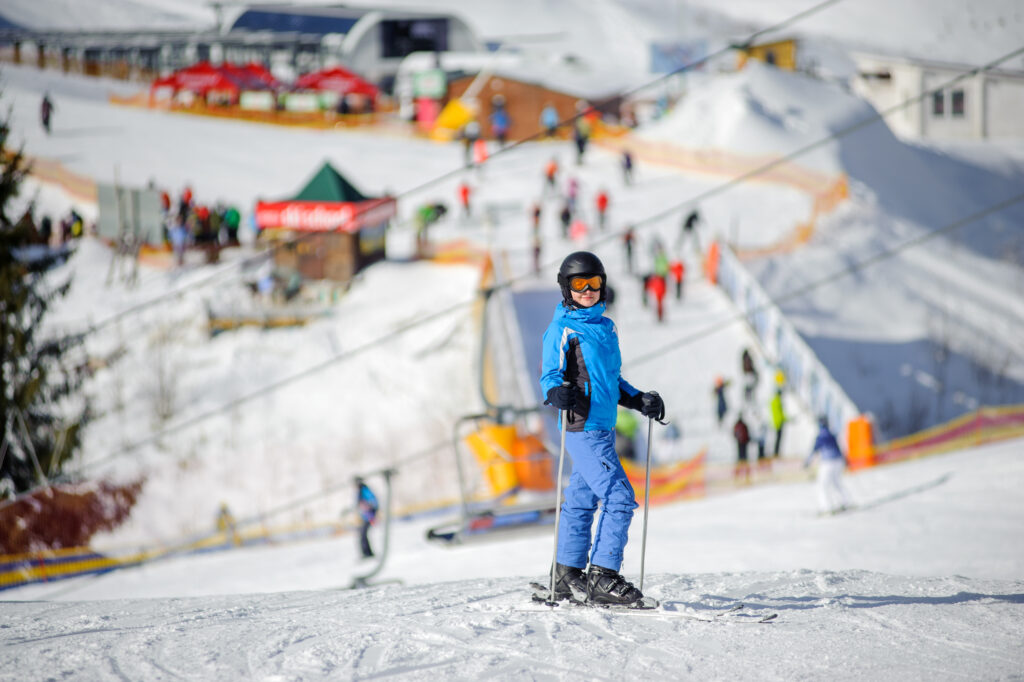
While Denmark may not be the first country that comes to mind when considering ski and snowboard destinations, it offers unique and charming experiences for winter sports enthusiasts. Denmark’s landscape, characterized by gentle hills and picturesque countryside, provides a distinct backdrop for skiing and snowboarding. This Scandinavian gem is perfect for beginners and families looking for a relaxed and friendly atmosphere. Although it lacks towering mountains, Denmark compensates with well-maintained artificial slopes and a welcoming culture that makes for an enjoyable winter getaway.
Denmark is situated in Northern Europe, consisting of the Jutland Peninsula and an archipelago of over 400 islands. Its topography is predominantly flat, with the highest natural point, Møllehøj, reaching only 170.86 meters (561 feet). The country’s gentle terrain is complemented by rolling hills and expansive coastline, making it an ideal location for cross-country skiing and other winter activities. Denmark’s strategic location also means that it’s easily accessible from neighboring countries like Germany and Sweden, providing an added convenience for international travelers.
The country’s climate is temperate, with mild winters that are relatively consistent across the region. Snowfall is moderate but sufficient for the maintenance of artificial slopes and cross-country trails. The coastal influence helps in maintaining a stable environment, which is crucial for winter sports activities. The Danish landscape, though not mountainous, offers unique opportunities for those interested in a different kind of skiing and snowboarding experience.
The optimal time to visit Denmark for skiing and snowboarding is between December and February. During these months, the weather is cold enough to sustain artificial snow on the slopes and maintain cross-country trails. The holiday season adds a festive charm to the country, with various winter markets and cultural events enhancing the overall experience. Visitors can enjoy the cozy ambiance of Danish hygge, a concept centered around comfort and well-being.
March can also be a good time to visit, particularly for those who prefer fewer crowds. The weather starts to warm slightly, but the artificial slopes remain operational. This period allows for a more relaxed skiing experience, with longer daylight hours and the chance to explore Denmark’s beautiful countryside under crisp, clear skies. It’s an excellent option for families and beginners who appreciate a more laid-back approach to winter sports.
Late November and early March are shoulder seasons, offering potential cost savings on accommodation and travel. While the snow conditions might not be as reliable, these months still provide decent skiing opportunities, especially on the artificial slopes. It’s a great time for budget-conscious travelers or those looking to avoid peak season crowds while still enjoying the winter sports scene in Denmark.
Travelers from the European Union and Schengen Area countries do not require a visa to enter Denmark for short stays up to 90 days. Citizens from several other countries, including the United States, Canada, Australia, and New Zealand, also enjoy visa-free entry for up to 90 days within a 180-day period. However, it’s always advisable to check the latest regulations before traveling, as visa policies can change.
For those who do require a visa, the application process is straightforward. Applicants need to provide a valid passport, travel insurance, proof of accommodation, and sufficient funds for the duration of their stay. The visa application can be submitted at Danish consulates or embassies, and it’s recommended to apply well in advance of the planned travel date to account for processing times.
It’s important to ensure that your passport is valid for at least three months beyond your intended departure date from Denmark. Additionally, all visitors, regardless of visa requirements, should have proof of onward or return travel arrangements. For up-to-date information on visa and entry requirements, it’s best to consult the official website of the Danish Immigration Service or contact the nearest Danish diplomatic mission.
Denmark is well-connected to the rest of Europe and beyond, making it easy to reach by air, land, or sea. Copenhagen Airport (CPH) is the main international gateway, offering numerous flights from major cities around the world. Billund Airport (BLL) and Aarhus Airport (AAR) also serve international routes, primarily from European destinations. Direct flights from major hubs like London, Paris, New York, and Frankfurt make traveling to Denmark convenient and efficient.
For those traveling by train, Denmark’s rail network is integrated with the European rail system, with regular services connecting to Germany and Sweden. The train journey offers a scenic and comfortable option, with Copenhagen’s central station being a major hub. Additionally, Denmark is accessible by car, with well-maintained highways linking it to neighboring countries. The Øresund Bridge, for instance, provides a direct road and rail link between Copenhagen and Malmö, Sweden.
Ferry services are another viable option, particularly for travelers from Norway, Sweden, and Germany. Several companies operate regular routes to Danish ports, offering a relaxing and picturesque way to arrive. Ferries can accommodate both passengers and vehicles, providing flexibility for those planning to explore Denmark by car. The extensive network of ferries ensures that even the more remote islands are accessible, enhancing the overall travel experience.
Denmark’s ski and snowboard scene is centered around its artificial slopes and small hill resorts, which offer a unique and accessible experience for all levels. Hedeland Skicenter, located near Roskilde, is one of the most popular destinations, featuring a 282-meter (925 feet) slope with a 35-meter (115 feet) vertical drop. The resort is well-suited for beginners and intermediate skiers, with facilities for night skiing and snowboarding. It also has a terrain park for freestyle enthusiasts.
Another notable resort is Ski Slope Copenhagen, also known as CopenHill. This urban ski slope, built on the roof of a waste-to-energy plant, offers a year-round skiing experience with a stunning view of the city skyline. The 450-meter (1,476 feet) slope has varying levels of difficulty, catering to skiers and snowboarders of all skill levels. The facility includes rental services, a ski school, and an après-ski bar, making it a comprehensive destination for winter sports enthusiasts.
For those willing to travel a bit further, Silkeborg Ski Center in Jutland provides an authentic Danish winter sports experience. The resort features several slopes of varying difficulty, including a 200-meter (656 feet) main slope and a children’s area. The center is equipped with snow cannons to ensure good conditions throughout the season. Additionally, cross-country skiing is a popular activity in the surrounding forests, offering well-marked trails for all proficiency levels.
Denmark’s ski and snowboard resorts are well-equipped with rental services that cater to both beginners and seasoned enthusiasts. At Hedeland Skicenter, visitors can rent a wide range of equipment, including skis, snowboards, boots, and helmets. The rental shops offer gear suitable for all ages and skill levels, ensuring that everyone is properly equipped for their time on the slopes. Additionally, the staff is knowledgeable and can provide fitting advice to ensure comfort and safety.
CopenHill also boasts a comprehensive rental facility with high-quality equipment available for hire. Whether you’re skiing, snowboarding, or trying out freestyle tricks in the terrain park, the rental shop has everything you need. It’s advisable to book your equipment in advance, especially during peak times, to ensure availability. The rental process is straightforward, with staff on hand to assist with any questions or adjustments.
In Silkeborg Ski Center, the rental services are similarly thorough, providing all necessary gear for a day on the slopes. The center also offers maintenance services, such as waxing and tuning, to keep your equipment in top condition. For those planning an extended stay or looking to purchase their own gear, several sports shops in nearby towns like Aarhus and Silkeborg offer a variety of winter sports equipment. These shops carry well-known brands and can provide expert advice on selecting the right gear.
While Denmark is not traditionally known for backcountry or off-piste skiing, it does offer some opportunities for adventurous skiers and snowboarders. The country’s gentle hills and open landscapes provide a different kind of off-piste experience, focusing more on cross-country and Nordic skiing. Areas such as Rold Skov and Silkeborg Forests are popular for cross-country skiing, with extensive trail networks that allow for exploration of Denmark’s natural beauty.
Rold Skov, located in Northern Jutland, is one of Denmark’s largest forested areas and a hub for cross-country skiing. The well-maintained trails cater to different skill levels, offering both short and long routes through the scenic forest. Skiers can enjoy the tranquility of the natural surroundings, with opportunities to spot local wildlife and experience the serene Danish winter landscape.
For those seeking more challenging terrain, the hilly areas around Silkeborg offer some steeper trails suitable for experienced skiers. While not traditional backcountry skiing, these trails provide a bit more excitement and a chance to test one’s skills. It’s important to note that safety should always be a priority, and skiers should be prepared for changing weather conditions. Local ski clubs and guides can provide valuable information on trail conditions and safety tips.
Denmark offers a variety of accommodation options to suit every budget and preference. In Copenhagen, visitors can choose from luxury hotels, boutique accommodations, and budget-friendly hostels. Hotels like the Nimb Hotel and Hotel d’Angleterre provide a luxurious experience with excellent amenities, while options like the Urban House Copenhagen cater to travelers looking for modern, affordable stays. Many hotels offer convenient access to Ski Slope Copenhagen, ensuring a seamless ski experience.
Near Hedeland Skicenter, Roskilde provides several comfortable accommodation choices. From charming bed and breakfasts to well-appointed hotels like Comwell Roskilde, visitors can enjoy a cozy stay close to the slopes. These accommodations often offer additional amenities such as breakfast, free Wi-Fi, and easy access to local attractions, making them a convenient base for exploring the region.
For those visiting Silkeborg Ski Center, the town of Silkeborg offers a range of lodging options. The Radisson Blu Hotel Papirfabrikken is a popular choice, providing modern comforts and a central location. Alternatively, smaller guesthouses and holiday rentals offer a more personalized experience. Staying in Silkeborg also allows visitors to explore the town’s cultural and natural attractions, adding an extra dimension to their ski trip.
Danish cuisine is renowned for its simplicity and use of fresh, local ingredients. Traditional dishes such as smørrebrød (open-faced sandwiches) and frikadeller (meatballs) are staples that provide hearty and satisfying meals for winter travelers. Many ski resorts and nearby towns offer a variety of dining options, from cozy cafes to upscale restaurants. In Copenhagen, visitors can enjoy a diverse culinary scene with options ranging from Michelin-starred establishments to trendy street food markets.
At CopenHill, the on-site après-ski bar and restaurant provide a convenient dining option with stunning views of the city. The menu features a mix of local and international dishes, perfect for refueling after a day on the slopes. The relaxed atmosphere and friendly service make it an ideal spot to unwind and socialize with fellow skiers and snowboarders.
In Silkeborg, the dining scene includes a mix of traditional Danish fare and contemporary cuisine. Restaurants like Michael D and Restaurant Zorba offer a range of options, from classic Danish dishes to Mediterranean-inspired meals. The town’s cafes and bakeries are also worth exploring, with delicious pastries and coffee to warm up after a day in the snow. Many establishments use locally sourced ingredients, ensuring a fresh and authentic dining experience.
Denmark boasts an efficient and reliable transportation system, making it easy for travelers to navigate the country. The train network, operated by DSB, connects major cities and towns, providing a convenient option for getting around. Trains are modern, comfortable, and often offer scenic views of the Danish countryside. For those traveling to ski resorts, regional trains and buses provide easy access to destinations like Hedeland and Silkeborg.
Public buses are another viable option for local travel. The extensive bus network covers urban and rural areas, ensuring that even remote destinations are reachable. Buses are frequent and punctual, with detailed schedules available online and at bus stops. For visitors staying in Copenhagen, the city’s metro and bus services offer efficient transportation within the capital, including routes to Ski Slope Copenhagen.
Car rentals provide flexibility and convenience, especially for those planning to explore multiple ski resorts or venture into the countryside. Denmark’s road network is well-maintained, with clear signage and relatively light traffic outside major cities. Renting a car allows for a more personalized travel experience, with the freedom to explore at your own pace. Additionally, taxis and ride-sharing services like Uber are available in larger cities, offering another convenient transportation option.
Denmark boasts an efficient and reliable transportation system, making it easy for travelers to navigate the country. The train network, operated by DSB, connects major cities and towns, providing a convenient option for getting around. Trains are modern, comfortable, and often offer scenic views of the Danish countryside. For those traveling to ski resorts, regional trains and buses provide easy access to destinations like Hedeland and Silkeborg.
Public buses are another viable option for local travel. The extensive bus network covers urban and rural areas, ensuring that even remote destinations are reachable. Buses are frequent and punctual, with detailed schedules available online and at bus stops. For visitors staying in Copenhagen, the city’s metro and bus services offer efficient transportation within the capital, including routes to Ski Slope Copenhagen.
Car rentals provide flexibility and convenience, especially for those planning to explore multiple ski resorts or venture into the countryside. Denmark’s road network is well-maintained, with clear signage and relatively light traffic outside major cities. Renting a car allows for a more personalized travel experience, with the freedom to explore at your own pace. Additionally, taxis and ride-sharing services like Uber are available in larger cities, offering another convenient transportation option.
The official currency of Denmark is the Danish Krone (DKK). ATMs are widely available in cities and towns, and most major credit and debit cards are accepted in hotels, restaurants, and shops. Visa and MasterCard are the most commonly accepted cards, while American Express may not be as widely used. It’s advisable to carry some cash for smaller establishments or rural areas where card payments might not be possible.
Contactless payment methods are increasingly popular in Denmark, with many businesses accepting mobile payments through apps like Apple Pay and Google Wallet. This provides a convenient and secure way to pay for goods and services without the need for physical cash. Additionally, many establishments accept payments in euros, although the exchange rate might not be as favorable as withdrawing or exchanging currency locally.
Currency exchange services are available at airports, major train stations, and in cities. It’s recommended to exchange money at official exchange offices or banks to ensure a fair rate. When traveling to more remote areas, it’s prudent to carry sufficient cash, as access to ATMs and card payment facilities may be limited. Overall, Denmark’s modern banking infrastructure makes it easy for travelers to manage their finances during their stay.
The official language of Denmark is Danish, a North Germanic language closely related to Norwegian and Swedish. While Danish is the primary language spoken, English is widely understood and spoken, particularly in tourist areas, hotels, restaurants, and shops. This makes communication relatively easy for English-speaking travelers. Additionally, many Danes are proficient in other languages, such as German and French, further facilitating communication.
For those interested in learning a few basic Danish phrases, it can enhance the travel experience and show respect for the local culture. Simple greetings like “Hej” (Hello) and “Tak” (Thank you) are always appreciated. Language apps and phrasebooks can be helpful tools for picking up essential vocabulary and phrases. However, travelers will find that most interactions can be smoothly conducted in English.
Public signage, including road signs and information boards at tourist attractions, is often bilingual, with Danish and English translations. This ensures that navigating and understanding important information is straightforward for international visitors. Additionally, many tourism offices provide brochures and maps in multiple languages, further aiding communication and ensuring a pleasant travel experience.
Denmark is rich in cultural heritage and offers numerous attractions beyond its ski and snowboard resorts. Copenhagen, the capital city, is home to iconic landmarks such as the Little Mermaid statue, Tivoli Gardens, and the historic Nyhavn district. The city’s museums, including the National Museum and the Louisiana Museum of Modern Art, provide deep insights into Danish history and contemporary art. A visit to Amalienborg Palace, the residence of the Danish royal family, is also a must.
In Roskilde, the UNESCO World Heritage-listed Roskilde Cathedral and the Viking Ship Museum offer fascinating glimpses into Denmark’s past. The town’s charming streets and local markets add to its appeal, making it a worthwhile stop for those visiting Hedeland Skicenter. Additionally, Roskilde’s proximity to Copenhagen allows for easy day trips to explore both destinations.
Silkeborg, located in the heart of Jutland, is known for its natural beauty and outdoor activities. The town is surrounded by lakes, forests, and hills, offering ample opportunities for hiking, cycling, and boating. The Silkeborg Museum and AQUA Aquarium & Wildlife Park are popular attractions that provide entertainment and education for visitors of all ages. Exploring the local culture and attractions adds a rich dimension to a ski trip in Denmark, making it a well-rounded travel experience.
Tourists in Denmark are expected to adhere to local laws and regulations, which are designed to ensure safety and order. It’s important to carry identification at all times, as police may conduct random checks. Drinking alcohol in public places is generally allowed, but it’s advisable to do so responsibly and in designated areas. The legal drinking age in Denmark is 18, and this applies to purchasing alcohol in bars, restaurants, and shops.
Denmark has strict drug laws, and possession or use of illegal substances can result in severe penalties, including fines and imprisonment. Smoking is prohibited in indoor public spaces, including restaurants, bars, and public transport. Designated smoking areas are provided, and it’s important to respect these regulations to avoid fines.
Traffic laws are strictly enforced, with a particular emphasis on pedestrian and cyclist safety. Seat belts are mandatory for all vehicle occupants, and the use of handheld mobile phones while driving is prohibited. Speed limits and traffic signals must be observed at all times. Additionally, Denmark has stringent regulations regarding noise levels, particularly in residential areas, so it’s important to keep noise to a minimum, especially during nighttime hours.
Denmark is generally considered a safe destination with low crime rates. However, it’s always wise to take standard precautions to ensure personal safety. Keep valuables secure and be mindful of your surroundings, especially in crowded areas and tourist hotspots. Petty theft, such as pickpocketing, can occur, so using anti-theft bags and being vigilant can help prevent such incidents.
In case of emergencies, Denmark has a well-organized emergency response system. The emergency number for police, fire, and medical assistance is 112, and operators are usually proficient in English. It’s important to know the address or location when calling for help to facilitate a quick response. Additionally, most cities have 24-hour pharmacies and hospitals equipped to handle medical emergencies.
Travelers are advised to have comprehensive travel insurance that covers medical expenses, accidents, and trip cancellations. Carrying a copy of your insurance policy and emergency contact numbers is recommended. In the event of minor health issues, pharmacies, known as “apotek,” can provide over-the-counter medications and advice. For more serious conditions, hospitals and clinics in Denmark offer high-quality medical care.
Ensuring you have adequate health and travel insurance is crucial when visiting Denmark. Healthcare in Denmark is of a high standard, but medical expenses for non-residents can be costly without proper insurance coverage. A comprehensive travel insurance policy should cover medical emergencies, hospital stays, and medical evacuation if necessary. It’s advisable to check the specific terms and conditions of your policy to ensure it meets your needs.
European Union citizens can use their European Health Insurance Card (EHIC) to access healthcare services in Denmark at reduced costs. However, this does not cover all potential expenses, such as repatriation or private medical treatment, so additional travel insurance is still recommended. For non-EU citizens, having a reliable travel insurance policy is even more important to cover any unforeseen medical expenses.
In addition to medical coverage, travel insurance should also include protection against trip cancellations, delays, lost luggage, and other travel-related issues. This provides peace of mind and financial protection in case of unexpected events. Before traveling, ensure you have all necessary documentation, including copies of your insurance policy, emergency contact numbers, and any relevant medical information.