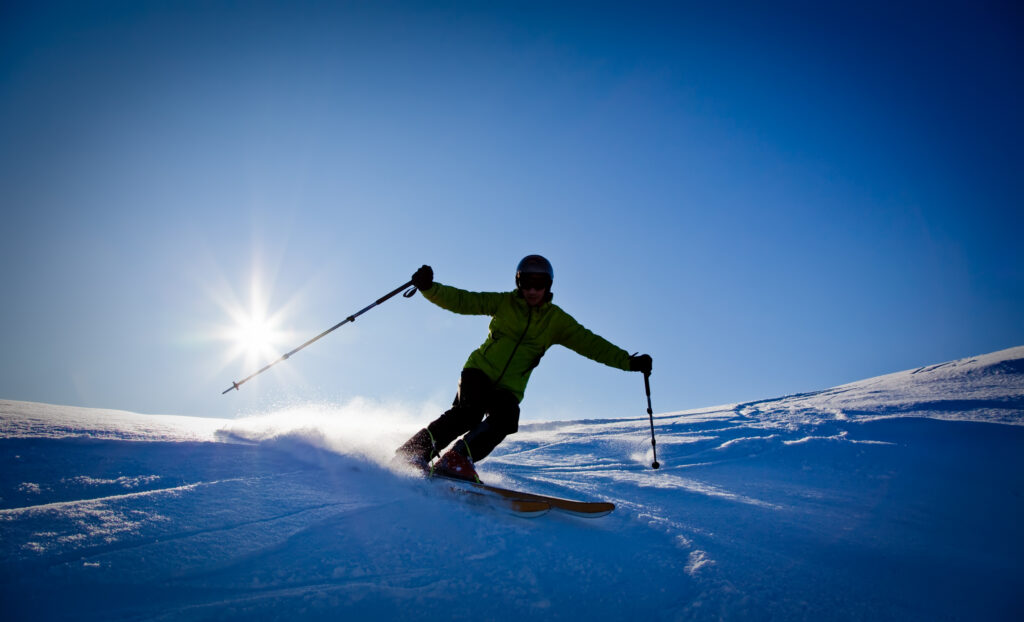
France, renowned for its exquisite culture and stunning landscapes, is a premier destination for skiers and snowboarders alike. The country boasts some of the most famous ski resorts in the world, offering an array of options for winter sports enthusiasts. From the majestic peaks of the French Alps to the charming Pyrenees, France provides a diverse range of terrains suitable for all skill levels. The country’s rich history, world-class cuisine, and vibrant après-ski scene further enhance its appeal, making it a must-visit for any winter sports aficionado.
France is located in Western Europe, bordered by Belgium, Luxembourg, Germany, Switzerland, Italy, Monaco, Spain, and Andorra. The French Alps, stretching across the southeastern part of the country, are the most popular region for skiing and snowboarding. This mountain range includes some of Europe’s highest peaks, such as Mont Blanc, which stands at 4,808 meters (15,774 feet). The Pyrenees, located in the southwest, offer a less crowded but equally stunning alternative, with a mix of challenging and beginner-friendly slopes.The diverse geography of France means that skiers and snowboarders can find a variety of terrains, from gentle, rolling hills to steep, adrenaline-pumping descents. The country’s climate varies significantly, with colder temperatures and heavier snowfall in the Alps and Pyrenees compared to the milder conditions in other regions. This variation allows for a prolonged ski season, typically lasting from December to April.
The best time to visit France for skiing and snowboarding is during the winter months, from December to April. During this period, the snow conditions are optimal, and the resorts are fully operational, offering a wide range of activities and amenities. January and February are the peak months, with the most reliable snowfall and vibrant après-ski scenes. However, these months also see the highest number of visitors, which can lead to crowded slopes and higher prices.For those seeking a quieter experience, March and April are excellent choices. The weather is slightly warmer, and the days are longer, providing more daylight hours for skiing and snowboarding. Additionally, these months often bring fewer crowds and more affordable accommodation options. Early December can also be a good time to visit, especially for those looking to enjoy the festive atmosphere of the holiday season.
France is part of the Schengen Area, which allows for visa-free travel for citizens of many countries, including the United States, Canada, Australia, and most of Europe. Travelers from these countries can stay in France for up to 90 days within a 180-day period without a visa. However, it is important to check the specific entry requirements based on your nationality before planning your trip.For those who need a visa, the process involves applying for a Schengen visa, which allows travel to all Schengen Area countries. The application can be submitted at the French consulate or embassy in your home country. It is recommended to apply well in advance of your planned travel dates, as processing times can vary.
France is well-connected by air, with several major international airports, including Paris Charles de Gaulle, Lyon-Saint Exupéry, and Geneva Airport (which, while located in Switzerland, provides easy access to the French Alps). These airports offer direct flights from many major cities around the world. From the airport, travelers can reach ski resorts by train, bus, or car rental.The French train system, operated by SNCF, is highly efficient and offers direct routes to many ski resort towns. High-speed TGV trains connect Paris to cities like Grenoble, Chambéry, and Annecy, which are close to popular ski areas. For those who prefer to drive, France has a well-maintained network of highways, making it convenient to rent a car and explore the country at your own pace.
France is home to some of the most famous ski resorts in the world. The Three Valleys (Les Trois Vallées) is the largest ski area globally, encompassing resorts like Courchevel, Méribel, and Val Thorens. This region offers over 600 km (373 miles) of interconnected slopes, catering to all levels of skiers and snowboarders. The diversity of terrain and the quality of the facilities make it a top choice for winter sports enthusiasts.Chamonix-Mont-Blanc, located near the Swiss border, is another iconic destination. Known for its challenging slopes and stunning alpine scenery, Chamonix attracts advanced skiers and snowboarders looking for a thrilling experience. The resort also offers numerous off-piste opportunities and is a hub for mountaineering activities.For those seeking a more relaxed atmosphere, La Plagne and Les Arcs, part of the Paradiski area, provide a family-friendly environment with a wide range of slopes and activities. The Pyrenees, though less famous than the Alps, offer resorts like Saint-Lary-Soulan and Font-Romeu, which are ideal for those looking to escape the larger crowds and enjoy a more intimate setting.
Ski and snowboard equipment rentals are readily available at all major resorts in France. Most rental shops offer a wide range of gear, including skis, snowboards, boots, helmets, and protective gear. Equipment can be rented for a day, week, or entire season, depending on your needs. Prices vary based on the quality and brand of the equipment, but most shops provide options for all budgets.In addition to rental shops, there are numerous retail stores where you can purchase new or used equipment. These stores often carry the latest models from leading brands and offer expert advice to help you choose the right gear. It’s also possible to find specialized shops that cater to specific needs, such as backcountry skiing or snowboarding.Many resorts offer online booking for equipment rentals, allowing you to reserve your gear in advance and avoid long lines upon arrival. This can be particularly convenient during the peak season when rental shops are busiest. It’s also worth considering package deals that include lift passes and equipment rentals, which can offer significant savings.
France is a paradise for backcountry and off-piste skiing, offering vast expanses of untracked snow and challenging terrain for adventurous skiers and snowboarders. The French Alps are particularly renowned for their off-piste opportunities, with areas like Chamonix, La Grave, and Les Arcs providing some of the best experiences in Europe. These regions offer everything from steep couloirs and glacial descents to open powder fields.While backcountry skiing can be incredibly rewarding, it also comes with inherent risks. It’s essential to be well-prepared and to have the proper equipment, including avalanche transceivers, probes, shovels, and first aid kits. Hiring a local guide is highly recommended, as they have expert knowledge of the terrain and current snow conditions, ensuring a safer and more enjoyable experience.In addition to guided tours, many resorts offer off-piste skiing courses, where you can learn essential skills and techniques for navigating ungroomed terrain. These courses often cover avalanche awareness, route planning, and advanced skiing or snowboarding techniques. Participating in such courses can enhance your skills and confidence, allowing you to make the most of your backcountry adventures.
France offers a wide range of accommodation options to suit all budgets and preferences. From luxury hotels and chalets to budget-friendly hostels and self-catering apartments, there is something for everyone. Many ski resorts have on-mountain accommodation, allowing you to ski in and ski out, maximizing your time on the slopes. These accommodations often come with additional amenities such as spa facilities, restaurants, and ski storage.For those looking for a more traditional experience, charming alpine villages like Megève and Saint-Gervais-les-Bains offer cozy lodges and boutique hotels. These villages provide a picturesque setting and easy access to the slopes, along with a variety of dining and entertainment options. Staying in an alpine village can offer a more relaxed and intimate experience compared to larger, busier resorts.Budget-conscious travelers will find plenty of options as well, including hostels, guesthouses, and budget hotels. These accommodations often provide basic but comfortable facilities, and some even include communal kitchens and social areas, making them ideal for groups or solo travelers looking to meet others. Booking accommodation in advance, especially during peak season, is highly recommended to secure the best deals and availability.
French cuisine is world-renowned, and the country’s ski resorts are no exception. From Michelin-starred restaurants to cozy mountain huts, there is a wide variety of dining options to suit all tastes and budgets. Traditional alpine dishes, such as fondue, raclette, and tartiflette, are popular choices, offering hearty and warming meals perfect for refueling after a day on the slopes.Many resorts have a mix of fine dining restaurants, casual bistros, and quick-service eateries. Fine dining establishments often feature gourmet menus with a focus on local and seasonal ingredients, while bistros and brasseries provide a more relaxed atmosphere with classic French dishes. For a quick bite, you’ll find plenty of options for sandwiches, crepes, and other snacks, both on and off the slopes.Après-ski culture is a significant part of the dining experience in French ski resorts. Many bars and cafes offer lively atmospheres where you can enjoy a drink and socialize after a day of skiing. Hot wine (vin chaud), local beers, and various cocktails are popular choices. Whether you prefer a quiet evening by the fireplace or a lively night out, you’ll find plenty of options to suit your mood.
France has an extensive and efficient transportation network, making it easy to travel within the country. Trains are a popular choice for reaching ski resorts, with high-speed TGV services connecting major cities to the Alps and Pyrenees. Regional trains and buses provide access to smaller towns and resorts not served by the high-speed network. Booking tickets in advance can often result in significant savings and ensure availability during peak travel times.Car rentals are another convenient option, especially for those planning to explore multiple resorts or regions. France’s well-maintained roads and highways make driving relatively straightforward, although winter conditions can sometimes be challenging. Many ski resorts offer ample parking facilities, and having a car can provide more flexibility in your travel plans. It’s important to ensure your rental vehicle is equipped with winter tires and snow chains, as these are often required in mountainous areas.For those who prefer not to drive, shuttle services and private transfers are widely available from major airports and train stations to ski resorts. These services can be booked in advance and offer a hassle-free way to reach your destination. Some resorts also have local bus networks, making it easy to get around once you’ve arrived.
France has an extensive and efficient transportation network, making it easy to travel within the country. Trains are a popular choice for reaching ski resorts, with high-speed TGV services connecting major cities to the Alps and Pyrenees. Regional trains and buses provide access to smaller towns and resorts not served by the high-speed network. Booking tickets in advance can often result in significant savings and ensure availability during peak travel times.Car rentals are another convenient option, especially for those planning to explore multiple resorts or regions. France’s well-maintained roads and highways make driving relatively straightforward, although winter conditions can sometimes be challenging. Many ski resorts offer ample parking facilities, and having a car can provide more flexibility in your travel plans. It’s important to ensure your rental vehicle is equipped with winter tires and snow chains, as these are often required in mountainous areas.For those who prefer not to drive, shuttle services and private transfers are widely available from major airports and train stations to ski resorts. These services can be booked in advance and offer a hassle-free way to reach your destination. Some resorts also have local bus networks, making it easy to get around once you’ve arrived.
The official currency of France is the Euro (€). ATMs are widely available in cities, towns, and ski resorts, allowing you to withdraw cash as needed. Major credit and debit cards, such as Visa and Mastercard, are widely accepted at hotels, restaurants, shops, and ski resorts. It’s always a good idea to carry some cash, especially in smaller villages and remote areas where card payments may not be as commonly accepted.Many establishments, particularly in tourist areas, also accept contactless payments and mobile payment options such as Apple Pay and Google Pay. Tipping is not obligatory in France, but it is appreciated for good service. A typical tip in restaurants and cafes is around 5-10% of the bill. In bars and for other services, rounding up to the nearest euro is generally sufficient.It’s advisable to inform your bank of your travel plans to avoid any issues with card usage abroad. Additionally, carrying a mix of payment methods can provide peace of mind and flexibility during your trip. Currency exchange services are available at airports, major train stations, and in some resorts, but it’s often more cost-effective to use ATMs for cash withdrawals.
The official language of France is French, and while English is widely spoken in major cities and tourist areas, learning a few basic phrases can enhance your travel experience. Simple greetings and polite expressions such as “bonjour” (hello), “merci” (thank you), and “s’il vous plaît” (please) are always appreciated and can go a long way in establishing a positive rapport with locals.Many ski resorts offer services in multiple languages, including English, especially in areas popular with international visitors. Signage and information are often available in English, and resort staff, including instructors and guides, typically speak multiple languages. However, in smaller villages and less touristy areas, proficiency in English may be more limited.Mobile phone coverage is generally good in ski resorts and surrounding areas, though it can be spotty in remote backcountry locations. Most resorts offer Wi-Fi access in hotels, restaurants, and public areas, allowing you to stay connected. Purchasing a local SIM card or an international roaming plan can also be a convenient way to ensure you have reliable communication throughout your trip.
France’s rich cultural heritage and vibrant local traditions add an extra dimension to any ski trip. Many alpine villages retain their traditional charm, with centuries-old architecture, local markets, and cultural events providing a glimpse into the region’s history. Visiting these villages offers a unique opportunity to experience authentic French mountain life and discover the warm hospitality of the locals.In addition to skiing and snowboarding, French ski resorts often offer a range of other activities and attractions. Ice skating, snowshoeing, and dog sledding are popular winter pastimes that provide a fun alternative to the slopes. Many resorts also have wellness centers and spas, where you can relax and rejuvenate with a variety of treatments and thermal baths.Cultural attractions such as museums, galleries, and historical sites are abundant in France. The town of Annecy, known as the “Venice of the Alps,” features charming canals, a medieval old town, and a stunning lake. Chamonix, aside from its skiing fame, hosts the Alpine Museum, which showcases the history of mountaineering in the region. Exploring these cultural gems can enrich your trip and provide a deeper understanding of the local heritage.
Familiarizing yourself with local laws and regulations can help ensure a smooth and trouble-free visit to France. Skiing and snowboarding off-piste, for example, may be restricted in certain areas due to avalanche risks. It is crucial to heed local warnings and adhere to posted signs and guidelines to ensure your safety and that of others.France has strict regulations regarding the consumption of alcohol and drugs. The legal drinking age is 18, and public intoxication can result in fines or other penalties. Drug possession and use are illegal and can carry severe consequences, including imprisonment. Smoking is prohibited in public indoor spaces, including restaurants, bars, and hotels, but designated smoking areas are usually available.Driving in France requires adherence to local traffic laws, including the use of seat belts, observance of speed limits, and the use of snow chains or winter tires in certain regions during the winter. It is also mandatory to carry a reflective vest and warning triangle in your vehicle. Understanding and following these regulations can help you avoid fines and ensure a safe journey.
Safety should always be a priority when enjoying winter sports in France. Wearing appropriate gear, including helmets and protective equipment, is essential to prevent injuries. Staying within marked trails and respecting resort boundaries can help avoid accidents and ensure a safe skiing or snowboarding experience. For those venturing off-piste or into the backcountry, carrying avalanche safety gear and traveling with an experienced guide are crucial precautions.Weather conditions in the mountains can change rapidly, so it’s important to stay informed about the latest forecasts and avalanche warnings. Most resorts provide daily weather updates and safety information, which can help you plan your activities accordingly. Keeping hydrated, taking regular breaks, and being mindful of altitude sickness are also important for maintaining your well-being.In case of emergency, the European emergency number 112 can be dialed for immediate assistance. Ski patrol services are available at most resorts and can provide first aid and rescue operations if needed. It’s also advisable to have travel insurance that covers winter sports, including medical evacuation and treatment, to ensure you are protected in case of accidents or injuries.
Having comprehensive health and travel insurance is essential when visiting France for a ski or snowboard trip. Travel insurance should cover medical expenses, including treatment for injuries sustained while skiing or snowboarding, as well as emergency evacuation and repatriation. Policies that include coverage for lost or stolen equipment, trip cancellations, and delays can provide additional peace of mind.European Union citizens are entitled to use the European Health Insurance Card (EHIC) for access to public healthcare services in France. However, the EHIC does not cover all costs, such as private medical treatment or repatriation, making additional travel insurance highly recommended. For non-EU citizens, having adequate travel insurance is even more critical to cover any potential medical expenses.Before purchasing insurance, ensure that it specifically includes coverage for winter sports activities, as standard policies may not cover accidents related to skiing or snowboarding. Keeping a copy of your insurance policy and emergency contact numbers with you during your trip can facilitate quick assistance in case of any issues. Proper preparation and coverage can help you enjoy your winter sports adventure in France with confidence and peace of mind.