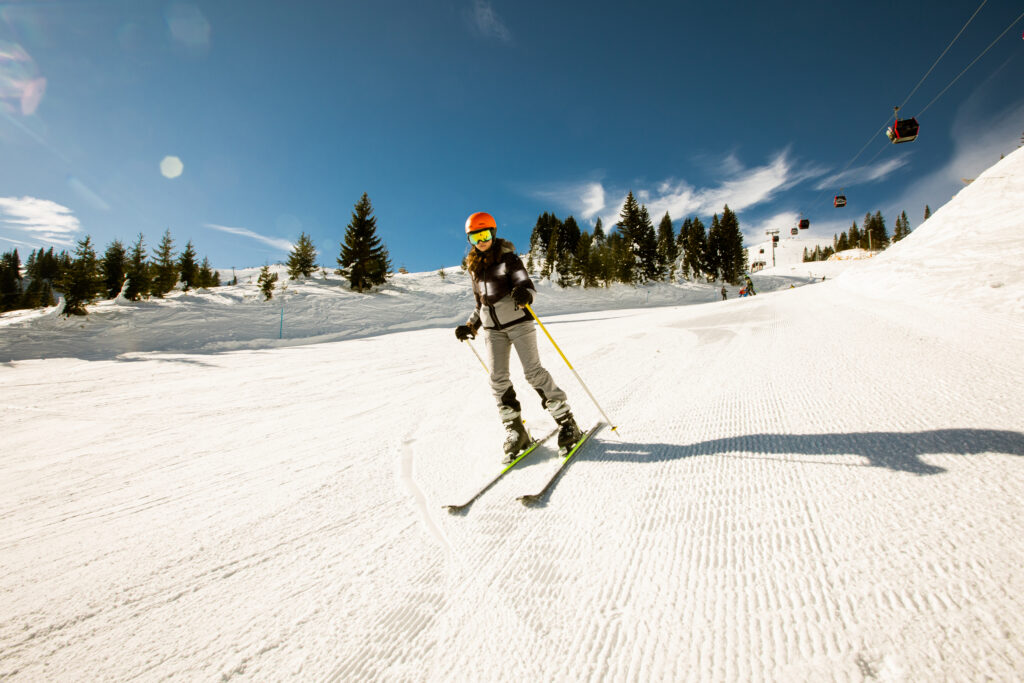
Georgia, a gem in the Caucasus region, is rapidly becoming a hotspot for winter sports enthusiasts. Renowned for its diverse landscapes and rich cultural heritage, this former Soviet republic offers a unique blend of European and Asian influences, making it an intriguing destination for skiers and snowboarders. The country boasts a variety of ski resorts that cater to all skill levels, from beginners to seasoned professionals. Its breathtaking mountainous terrain, combined with affordable prices and hospitable locals, creates an unforgettable experience for winter sports aficionados.Located at the intersection of Europe and Asia, Georgia’s geography is dominated by the majestic Caucasus Mountains, providing an ideal setting for skiing and snowboarding. The country’s diverse topography ranges from lush valleys to rugged peaks, ensuring varied and challenging terrain. Winter sports enthusiasts can enjoy both well-groomed pistes and off-piste adventures, all while soaking in the stunning natural beauty. The blend of modern facilities and unspoiled landscapes makes Georgia a must-visit for those seeking a unique skiing experience.Georgia’s rich history and vibrant culture further enhance its appeal as a winter sports destination. Visitors can immerse themselves in the local traditions, sample delicious Georgian cuisine, and explore historical sites. Whether you’re carving down the slopes or taking in the local sights, Georgia offers an unparalleled winter adventure. This guide provides essential information to help you plan your trip and make the most of your time in this fascinating country.
Georgia is situated at the crossroads of Eastern Europe and Western Asia, bordered by Russia to the north, Turkey and Armenia to the south, Azerbaijan to the southeast, and the Black Sea to the west. The Greater Caucasus Mountain range forms a natural barrier to the north, offering some of the highest peaks in Europe, including Mount Shkhara at 5,193 meters (17,040 feet). The country’s diverse geography includes alpine meadows, dense forests, and picturesque valleys, making it an ideal destination for nature lovers and outdoor enthusiasts.The primary skiing regions in Georgia are located in the northern and western parts of the country, with the most famous resorts situated in the Greater Caucasus Mountains. The capital city, Tbilisi, serves as a convenient starting point for accessing these mountainous areas. The region’s varied terrain provides ample opportunities for both on-piste and off-piste skiing, attracting a growing number of international visitors each year.Georgia’s climate is characterized by hot summers and cold winters, with significant snowfall in the mountainous regions from November to April. The combination of high altitude and consistent snow coverage ensures excellent skiing conditions throughout the winter season. The country’s unique location and geographical features create a diverse and challenging environment for skiers and snowboarders of all levels.
The best time to visit Georgia for skiing and snowboarding is from December to April, when the country’s mountainous regions receive the most snowfall. The peak season typically runs from mid-December to late March, offering the best snow conditions and longest daylight hours. During this period, visitors can enjoy well-maintained slopes, vibrant après-ski scenes, and various winter sports events.Early December and late April can be less crowded, providing a more relaxed atmosphere for those who prefer fewer people on the slopes. However, snow conditions can be less predictable during these shoulder seasons, so it’s essential to check weather forecasts and snow reports before planning your trip. The lower elevations may experience milder temperatures and occasional rain, but higher altitudes usually maintain good snow cover.For those interested in backcountry skiing and off-piste adventures, late January to early March is the ideal time to visit. The snowpack is generally more stable during this period, reducing the risk of avalanches. Additionally, guided tours and avalanche safety courses are more readily available, allowing visitors to explore the stunning backcountry terrain safely.
Citizens of many countries, including the United States, Canada, the European Union, and several others, can enter Georgia visa-free for short stays of up to one year. It is always advisable to check the latest visa regulations before traveling, as requirements may change. Travelers should ensure their passports are valid for at least six months beyond their intended departure date.For those who do require a visa, the process is relatively straightforward. Applications can be submitted online through Georgia’s e-Visa portal or at Georgian diplomatic missions abroad. The e-Visa system allows travelers to obtain their visas electronically, simplifying the entry process. It’s important to apply well in advance of your trip to account for processing times.Upon arrival, visitors must fill out a customs declaration form and may be asked to provide proof of onward travel and sufficient funds for their stay. Georgian immigration officials are generally welcoming and efficient, ensuring a smooth entry process. Always keep copies of your travel documents and important contact information handy in case of emergencies.
Georgia is accessible by air, land, and sea, with Tbilisi International Airport (TBS) being the primary gateway for international travelers. The airport is well-connected to major cities in Europe, the Middle East, and Asia, with several airlines offering direct flights. Kutaisi International Airport (KUT) and Batumi International Airport (BUS) also serve international routes, providing additional options for reaching the country.Travelers from neighboring countries can enter Georgia by land through various border crossings. Regular bus and minibus services connect Georgia with Turkey, Armenia, and Azerbaijan, offering an affordable and scenic way to reach the country. Additionally, the train service between Tbilisi and Baku, Azerbaijan, provides a comfortable and picturesque journey through the Caucasus region.For those traveling by sea, ferry services operate between the Georgian port of Batumi and various ports on the Black Sea, including those in Ukraine and Turkey. This option allows for a unique travel experience, combining a sea voyage with the opportunity to explore the coastal city of Batumi before heading to the mountainous regions for skiing and snowboarding.
Georgia boasts several ski and snowboard resorts that cater to different skill levels and preferences. Gudauri, the most popular resort, is located in the Greater Caucasus Mountains and offers a wide range of slopes, from gentle beginner runs to challenging black diamond trails. With a top elevation of 3,276 meters (10,748 feet) and over 70 kilometers (43.5 miles) of pistes, Gudauri provides excellent skiing conditions and breathtaking views.Bakuriani, another renowned resort, is situated in the Lesser Caucasus Mountains. Known for its family-friendly atmosphere and well-groomed slopes, Bakuriani is ideal for beginners and intermediate skiers. The resort also features a snow park for freestyle enthusiasts and extensive cross-country skiing trails. Its proximity to Borjomi, famous for its mineral springs, adds to the appeal of this charming winter destination.Mestia, in the Svaneti region, offers a more remote and adventurous experience. Surrounded by towering peaks and ancient villages, Mestia provides access to some of the most pristine and untouched skiing terrain in Georgia. The resort is less commercialized than Gudauri and Bakuriani, making it perfect for those seeking a more authentic and off-the-beaten-path adventure.
Ski and snowboard equipment rentals are readily available at all major resorts in Georgia. Gudauri, Bakuriani, and Mestia each have rental shops offering a wide range of gear, including skis, snowboards, boots, helmets, and poles. The rental prices are generally affordable compared to European and North American standards, making it convenient for travelers who prefer not to bring their own equipment.In addition to rental shops, there are several sports stores in Tbilisi and other major cities where visitors can purchase or rent equipment. These stores often carry a selection of both new and used gear, catering to different budgets and preferences. It’s advisable to book rentals in advance during peak season to ensure availability, especially if you require specific sizes or specialized equipment.For those looking to buy high-quality gear, Georgia has a growing number of specialty shops that stock international brands. These shops offer everything from skis and snowboards to outerwear and accessories. While the selection may not be as extensive as in larger ski markets, you can still find a good range of products to meet your needs.
Georgia’s rugged terrain and abundant snowfall make it a paradise for backcountry and off-piste skiing enthusiasts. The Greater and Lesser Caucasus Mountains offer vast expanses of untouched powder, challenging descents, and breathtaking scenery. Guided tours are highly recommended for those looking to explore these areas, as local guides have extensive knowledge of the terrain and conditions, ensuring a safe and enjoyable experience.Gudauri is particularly known for its backcountry skiing opportunities. The resort offers heli-skiing and cat-skiing services, allowing access to remote and pristine areas. These services are ideal for advanced skiers and snowboarders seeking an adrenaline-fueled adventure. Additionally, Gudauri’s avalanche safety courses and guided tours provide essential training and support for those venturing into the backcountry.Mestia and the Svaneti region are also prime locations for off-piste adventures. The remote and less-developed nature of this area means fewer crowds and more untouched snow. Local guides can lead you to hidden gems, including high-altitude descents and scenic routes through ancient villages and forests. It’s essential to have proper avalanche safety gear and training when exploring these areas, as conditions can be unpredictable.
Georgia offers a wide range of accommodation options to suit all budgets and preferences. In Gudauri, visitors can choose from luxury hotels, mid-range guesthouses, and budget-friendly hostels. Many of these establishments are located within walking distance of the ski lifts, providing convenient access to the slopes. Luxury hotels often feature amenities such as spas, indoor pools, and gourmet restaurants, ensuring a comfortable and relaxing stay.Bakuriani offers a more family-oriented accommodation scene, with numerous chalets, lodges, and guesthouses. These options often include self-catering facilities, making them ideal for families or groups traveling together. The town also has several mid-range hotels that offer comfortable rooms and essential amenities at reasonable prices. The welcoming atmosphere and close-knit community make Bakuriani a charming place to stay.In Mestia, visitors can experience authentic Georgian hospitality by staying in traditional guesthouses or family-run hotels. These accommodations provide a unique glimpse into local culture and often include homemade meals prepared with fresh, local ingredients. For those seeking more modern comforts, Mestia also has a selection of boutique hotels and lodges that combine traditional design with contemporary amenities.
Georgian cuisine is renowned for its rich flavors, diverse ingredients, and hearty dishes, making dining an integral part of any visit. In Gudauri, visitors can enjoy a variety of dining options, from traditional Georgian restaurants to international eateries. Local specialties such as khachapuri (cheese-filled bread), khinkali (dumplings), and various meat dishes are must-tries. Many restaurants also offer vegetarian and vegan options, catering to different dietary preferences.Bakuriani and Mestia also boast a range of dining establishments that highlight Georgian culinary traditions. Family-run restaurants and guesthouses often serve home-cooked meals made with locally sourced ingredients. In addition to Georgian cuisine, you can find restaurants offering European and Russian dishes, reflecting the diverse cultural influences in the region. Dining in these areas provides a warm and inviting atmosphere, perfect for relaxing after a day on the slopes.For those staying in Tbilisi, the capital city offers a vibrant and eclectic food scene. From high-end restaurants to casual cafes, the city’s dining options cater to all tastes and budgets. Visitors can explore traditional Georgian cuisine, as well as international fare from around the world. Tbilisi’s wine bars and cellars are also worth visiting, as Georgia is one of the oldest wine-producing regions in the world, with a rich history and diverse selection of wines.
Getting around Georgia is relatively straightforward, with various transportation options available. For travel between Tbilisi and the major ski resorts, shuttle services and private transfers are the most convenient options. These services can be booked in advance and provide direct, hassle-free transportation to Gudauri, Bakuriani, and Mestia. Public buses and minibusses (marshrutkas) are also available, offering a more budget-friendly alternative, though they may be less comfortable and have limited schedules.Car rentals are an option for those who prefer the flexibility of driving themselves. Several international and local rental agencies operate in Tbilisi and other major cities. While driving conditions in the mountainous regions can be challenging, especially during winter, having a car allows for greater freedom to explore at your own pace. It’s essential to ensure your rental vehicle is equipped with snow tires and other necessary winter gear.Within the ski resorts, transportation options include shuttle buses, taxis, and sometimes even snowmobiles. These services facilitate easy movement between accommodations, ski lifts, and local attractions. In Gudauri, for instance, many hotels offer complimentary shuttle services to and from the slopes. Walking is also a viable option in the more compact resorts, where amenities and ski facilities are often within close proximity.
Getting around Georgia is relatively straightforward, with various transportation options available. For travel between Tbilisi and the major ski resorts, shuttle services and private transfers are the most convenient options. These services can be booked in advance and provide direct, hassle-free transportation to Gudauri, Bakuriani, and Mestia. Public buses and minibusses (marshrutkas) are also available, offering a more budget-friendly alternative, though they may be less comfortable and have limited schedules.Car rentals are an option for those who prefer the flexibility of driving themselves. Several international and local rental agencies operate in Tbilisi and other major cities. While driving conditions in the mountainous regions can be challenging, especially during winter, having a car allows for greater freedom to explore at your own pace. It’s essential to ensure your rental vehicle is equipped with snow tires and other necessary winter gear.Within the ski resorts, transportation options include shuttle buses, taxis, and sometimes even snowmobiles. These services facilitate easy movement between accommodations, ski lifts, and local attractions. In Gudauri, for instance, many hotels offer complimentary shuttle services to and from the slopes. Walking is also a viable option in the more compact resorts, where amenities and ski facilities are often within close proximity.
The official currency of Georgia is the Georgian Lari (GEL). ATMs are widely available in cities and major towns, including Tbilisi, Gudauri, Bakuriani, and Mestia, and they dispense cash in local currency. Credit and debit cards are accepted at most hotels, restaurants, and shops in the main tourist areas. However, it’s advisable to carry some cash, especially when traveling to more remote areas or smaller establishments that may not accept cards.Currency exchange services are available at airports, banks, and exchange bureaus in major cities. Exchange rates can vary, so it’s worth comparing rates at different places to get the best deal. Tipping is not mandatory in Georgia, but it is appreciated. A tip of 5-10% is customary in restaurants and for services such as guided tours or transportation.Mobile payment methods are increasingly popular in Georgia, with many businesses accepting payments through apps like Apple Pay and Google Wallet. These options provide a convenient and secure way to pay without needing to carry large amounts of cash. Always check with your bank about international transaction fees and ensure your payment methods will work in Georgia before traveling.
The official language of Georgia is Georgian, a unique and ancient language with its own alphabet. While Georgian is the primary language spoken throughout the country, Russian is also widely understood, particularly among the older generation. English is increasingly spoken, especially in tourist areas, hotels, restaurants, and by younger Georgians, making communication relatively easy for English-speaking visitors.Learning a few basic Georgian phrases can enhance your travel experience and help you connect with locals. Simple greetings like “gamarjoba” (hello) and “madloba” (thank you) are always appreciated. Many signs and menus in tourist areas are bilingual, written in both Georgian and English, which facilitates navigation and dining.For those who wish to stay connected, SIM cards with data plans are readily available and affordable. Major telecommunications companies, such as Magti, Geocell, and Beeline, offer a range of options suitable for short-term visitors. Free Wi-Fi is also commonly available in hotels, cafes, and restaurants, ensuring you can stay in touch with friends and family or access essential travel information during your stay.
Georgia is rich in cultural heritage and historical landmarks, offering plenty to explore beyond the ski slopes. In Tbilisi, the capital city, visitors can wander through the charming Old Town, visit ancient churches and fortresses, and relax in the famous sulfur baths. The city’s vibrant arts scene includes museums, galleries, and theaters, providing a taste of Georgian culture and history.In the mountainous regions, cultural attractions are often intertwined with natural beauty. The Svaneti region, home to Mestia, is renowned for its medieval stone towers and ancient villages. Visitors can explore the Svaneti Museum of History and Ethnography, which houses a collection of artifacts showcasing the region’s unique heritage. Traditional Svanetian music and dance performances offer a glimpse into the local customs and traditions.Other notable attractions include the cave city of Uplistsikhe, the ancient capital of Mtskheta, and the wine region of Kakheti. Georgia’s long history as a crossroads of civilizations has left a rich tapestry of architectural and cultural treasures. Whether you’re interested in exploring historic sites, sampling local wines, or simply enjoying the stunning landscapes, Georgia offers a wealth of experiences to enrich your visit.
When traveling to Georgia, it’s important to be aware of local laws and regulations to ensure a smooth and trouble-free visit. Drug laws are strict, and possession of even small amounts of illegal substances can result in severe penalties, including imprisonment. It’s essential to avoid any involvement with drugs during your stay.Alcohol consumption is generally allowed in public places, but there are restrictions on drinking and driving. The legal blood alcohol limit for drivers is 0.03%, which is lower than in many other countries. Penalties for driving under the influence are severe, so it’s best to avoid alcohol if you plan to drive.Smoking is prohibited in enclosed public spaces, including restaurants, bars, and public transportation. There are designated smoking areas in most establishments, so it’s important to respect these rules. Additionally, always carry your identification, as police may conduct random checks, and failing to present ID can result in fines. Being aware of and adhering to these regulations will help ensure a safe and enjoyable trip.
Georgia is generally a safe country for tourists, but it’s always wise to take basic precautions. In ski resorts, follow all safety guidelines and pay attention to weather and avalanche warnings. Wearing appropriate gear, including helmets, and skiing or snowboarding within your skill level will help prevent accidents. Always inform someone of your plans if you venture into remote areas or backcountry terrain.Petty crime, such as pickpocketing, can occur in crowded places, so keep your belongings secure and be aware of your surroundings. Avoid displaying large amounts of cash or valuable items. In case of emergency, the general emergency number in Georgia is 112, which connects to police, fire, and medical services. Most emergency responders speak English and are well-trained to handle various situations.It’s advisable to have comprehensive travel insurance that covers medical expenses, accidents, and theft. Medical facilities in major cities are generally of good quality, but services in remote areas may be limited. Having travel insurance ensures you have access to necessary care and can cover unexpected costs. Familiarizing yourself with these safety tips and contacts will help you enjoy a worry-free visit to Georgia.
Travelers to Georgia should ensure they have comprehensive health and travel insurance before departing. Medical care in major cities like Tbilisi is generally of good quality, with well-equipped hospitals and clinics. However, in more remote areas, medical facilities may be limited, and evacuation to a larger city might be necessary for serious conditions. Having insurance that covers medical treatment and emergency evacuation is crucial.It’s advisable to bring any necessary medications with you, along with a copy of your prescription. Pharmacies in Georgia are well-stocked, but specific medications may not be readily available. Travel insurance should also cover trip cancellations, delays, and loss of personal belongings to provide peace of mind during your trip.Before traveling, consult your doctor about any recommended vaccinations for Georgia. Routine vaccinations, such as measles-mumps-rubella (MMR) and tetanus, should be up to date. Depending on your travel plans, you may also consider vaccinations for hepatitis A and B. Ensuring you have adequate health and travel insurance and necessary vaccinations will help you stay safe and healthy during your visit to Georgia.