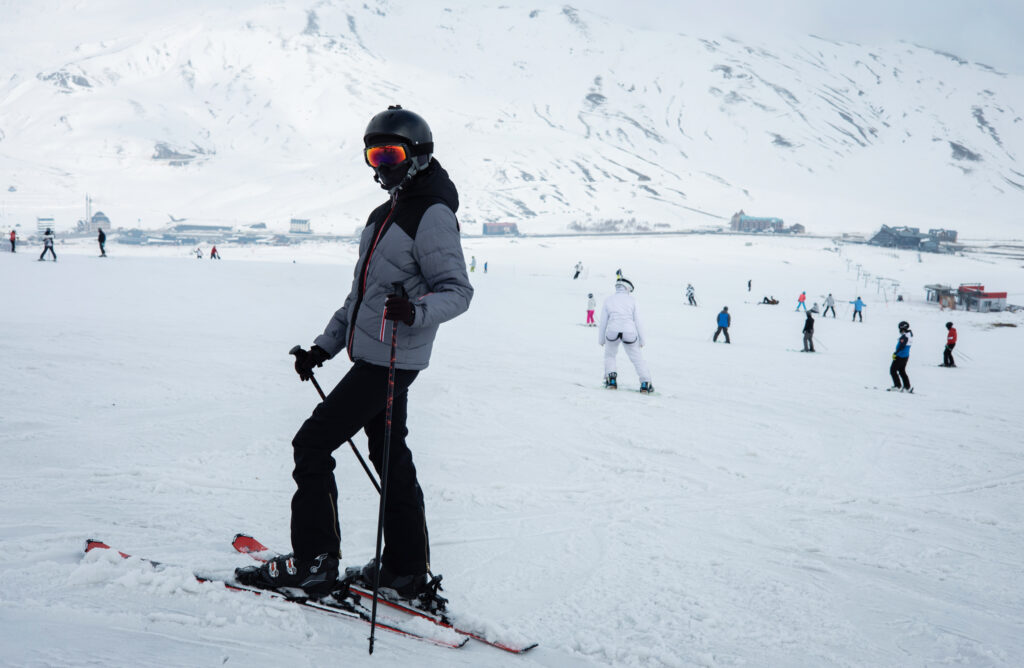
Germany, a country known for its rich history, vibrant cities, and picturesque landscapes, is also a fantastic destination for skiing and snowboarding enthusiasts. From the towering peaks of the Bavarian Alps to the scenic Harz Mountains, Germany offers a variety of terrains suitable for all skill levels. Whether you’re a seasoned skier looking for challenging runs or a beginner eager to take your first lesson, Germany has something to offer. The blend of modern resorts and charming alpine villages creates an inviting atmosphere for winter sports enthusiasts.The country’s ski resorts are renowned for their excellent infrastructure, well-maintained slopes, and stunning alpine scenery. In addition to skiing and snowboarding, visitors can enjoy a range of après-ski activities, including thermal spas, gourmet dining, and vibrant nightlife. Germany’s winter sports culture is deeply rooted, with a long tradition of skiing that dates back over a century. This makes it a perfect destination for those looking to experience authentic alpine traditions while enjoying world-class facilities.Traveling to Germany for a ski trip also means immersing yourself in the local culture. From sampling hearty Bavarian cuisine to exploring historic castles and quaint villages, there’s much to see and do off the slopes. The country’s efficient transportation system and wide range of accommodation options, from luxurious hotels to cozy mountain lodges, ensure a comfortable and memorable stay. Whether you’re planning a family vacation, a romantic getaway, or a solo adventure, Germany’s ski resorts provide the perfect winter escape.
Germany is located in Central Europe and shares its borders with nine countries, including Austria and Switzerland, which are renowned for their alpine regions. The country’s geography is diverse, with the Bavarian Alps in the south being the most prominent mountain range for skiing and snowboarding. This area is home to Germany’s highest peak, the Zugspitze, which rises to 2,962 meters (9,718 feet) and offers breathtaking views and excellent skiing conditions. The Harz Mountains in central Germany and the Black Forest in the southwest also provide great skiing opportunities with their rolling hills and scenic landscapes.The climate in Germany varies significantly from north to south and from lowlands to highlands. The Bavarian Alps receive substantial snowfall during the winter months, creating perfect conditions for winter sports. The ski season typically runs from December to April, with January and February being the peak months for snowfall. The mountainous regions have well-developed infrastructure to ensure that the roads and ski lifts are operational even in heavy snow.Germany’s ski resorts are well-connected to major cities and airports, making them easily accessible for international travelers. Munich, located in southern Germany, serves as a gateway to the Bavarian Alps, with excellent road and rail connections to various ski destinations. The resorts are equipped with modern amenities, including high-speed lifts, ski schools, and snowmaking facilities, ensuring a pleasant experience for skiers and snowboarders.
The best time to visit Germany for skiing and snowboarding is during the winter months, from December to April. This period offers the most reliable snow conditions and the full range of winter activities. January and February are particularly popular due to the high snowfall, which ensures optimal conditions for skiing and snowboarding. The Christmas and New Year holidays are also a magical time to visit, with festive decorations, markets, and events adding to the winter charm.March and April are ideal for those who prefer milder weather and longer days. The spring skiing season often features sunny skies and slightly warmer temperatures, making it perfect for families and those new to winter sports. The slopes are generally less crowded during this time, allowing for a more relaxed experience. Additionally, many resorts offer special deals and discounts in the spring, making it a cost-effective option.Visiting outside the peak season, such as in November or early December, can also be rewarding. While snowfall is less predictable, early visitors can take advantage of the lower prices and quieter resorts. However, it’s essential to check the snow reports and resort opening dates before planning your trip during these off-peak times. Regardless of when you visit, Germany’s ski resorts are prepared to offer a memorable winter sports experience.
Germany is part of the Schengen Area, which means travelers from many countries can enter without a visa for short stays. Citizens of the United States, Canada, Australia, and most European countries can stay in Germany for up to 90 days within a 180-day period without a visa. However, it’s crucial to ensure your passport is valid for at least three months beyond your intended departure date from the Schengen Area. If you plan to stay longer or visit for purposes other than tourism, you may need to apply for a visa or residence permit.For travelers from countries that require a visa to enter Germany, the application process should be started well in advance of your trip. The process typically involves submitting an application form, providing proof of travel insurance, demonstrating sufficient funds for your stay, and sometimes attending an interview at a German consulate or embassy. It’s advisable to check the specific requirements for your nationality on the official German embassy website.Upon arrival in Germany, you should be prepared to present your passport and any required visas or permits at the border. It’s also a good idea to have copies of your travel itinerary, accommodation bookings, and return flight details. Border officials may ask for these documents to verify the purpose and duration of your stay. Ensuring all your documentation is in order will help ensure a smooth entry into Germany for your skiing and snowboarding adventure.
Germany is well-connected to the rest of the world through a network of international airports. Major entry points include Frankfurt, Munich, and Berlin, which offer numerous flights from North America, Asia, and other parts of Europe. Munich Airport is particularly convenient for those heading to the Bavarian Alps, with excellent transport links to nearby ski resorts. From the airport, you can take a train, bus, or rental car to reach your destination.Train travel is another popular option for reaching Germany. The country’s efficient rail system is connected to neighboring countries through high-speed trains such as the EuroCity and InterCityExpress (ICE). These trains provide a comfortable and scenic journey, with routes that pass through picturesque landscapes. For instance, you can travel from Zurich to Munich in just over four hours, making it a convenient option for those combining a visit to multiple European ski destinations.Once in Germany, domestic travel to ski resorts is straightforward. Regional trains and buses connect major cities to mountain towns, and car rentals are readily available for those who prefer the flexibility of driving. Many ski resorts also offer shuttle services from nearby train stations and airports, making it easy to reach your accommodation. With multiple transport options, getting to Germany’s ski resorts is hassle-free, allowing you to focus on enjoying your winter sports adventure.
Germany boasts a variety of ski and snowboard resorts catering to different skill levels and preferences. The Bavarian Alps are home to some of the most popular resorts, including Garmisch-Partenkirchen, Oberstdorf, and Berchtesgaden. Garmisch-Partenkirchen, located near the Zugspitze, offers a mix of challenging runs and beginner-friendly slopes, along with breathtaking alpine scenery. This resort also hosts international competitions, making it a hub for winter sports enthusiasts.Oberstdorf is another top destination, known for its extensive network of slopes and trails. The resort features the Fellhorn/Kanzelwand ski area, which offers a diverse range of runs, from gentle slopes for beginners to challenging descents for advanced skiers. Additionally, Oberstdorf is famous for its excellent cross-country skiing facilities, providing over 75 kilometers (46.6 miles) of well-groomed trails through scenic valleys and forests.For those looking for a more relaxed and family-friendly atmosphere, the resorts in the Black Forest and the Harz Mountains are ideal. Feldberg in the Black Forest is the highest peak in the region and offers a variety of slopes, as well as snow parks for snowboarders. The Harz Mountains, with resorts like Wurmberg and Braunlage, provide picturesque settings and a range of winter activities, including tobogganing and snowshoeing. These regions are perfect for a tranquil winter getaway, combining skiing with exploring charming villages and local culture.
Germany’s ski resorts are well-equipped with rental shops offering a wide range of skiing and snowboarding gear. Whether you’re a beginner needing a complete setup or an experienced skier looking to rent specific equipment, you’ll find what you need. Rental shops typically offer skis, snowboards, boots, helmets, and poles, with options available for all age groups and skill levels. Major resorts like Garmisch-Partenkirchen and Oberstdorf have multiple rental outlets, ensuring you can easily access high-quality equipment.Most rental shops provide the convenience of booking your gear online in advance, allowing you to secure the equipment you need before arriving at the resort. This service is especially beneficial during peak season when demand is high. Many shops also offer multi-day rental packages at discounted rates, making it cost-effective for extended stays. Additionally, if you encounter any issues with your equipment, the staff at rental shops are usually very accommodating and can provide replacements or adjustments on the spot.In addition to rentals, there are numerous sports shops where you can purchase skiing and snowboarding gear. These shops carry the latest models and brands, ensuring you have access to top-quality equipment. Whether you’re looking to buy new skis, upgrade your boots, or find the perfect ski outfit, you’ll find a wide selection of products. Knowledgeable staff can assist you in choosing the right gear, ensuring you have a comfortable and safe experience on the slopes.
For adventure seekers, Germany offers excellent opportunities for backcountry and off-piste skiing. The Bavarian Alps are particularly well-suited for these activities, with their vast expanses of untouched snow and stunning alpine scenery. Areas around Garmisch-Partenkirchen and the Zugspitze are popular for backcountry skiing, offering a mix of challenging terrain and breathtaking views. However, it’s essential to be well-prepared and knowledgeable about avalanche risks and safety measures when venturing off the beaten path.Many ski resorts provide guided tours and courses for those interested in backcountry skiing. These tours are led by experienced guides who are familiar with the local terrain and can ensure a safe and enjoyable experience. They often include avalanche safety training, equipment rental, and route planning, making it accessible even for those new to backcountry skiing. Joining a guided tour is a great way to explore the less-traveled areas while learning important safety skills.For more experienced skiers, there are numerous off-piste routes that offer thrilling descents and deep powder. Areas like the Berchtesgaden National Park provide pristine natural landscapes for off-piste skiing, with routes that range from moderately difficult to extremely challenging. It’s crucial to check weather conditions and avalanche reports before heading out and to carry essential safety equipment such as a transceiver, shovel, and probe. With proper preparation and respect for nature, backcountry and off-piste skiing in Germany can be an unforgettable experience.
Germany offers a wide range of accommodation options to suit all budgets and preferences. From luxurious hotels and cozy alpine lodges to budget-friendly hostels and self-catering apartments, there is something for everyone. In popular ski resorts like Garmisch-Partenkirchen and Oberstdorf, you’ll find high-end hotels offering amenities such as spa facilities, gourmet restaurants, and direct access to the slopes. These hotels provide a comfortable and convenient base for your skiing holiday, with services designed to enhance your stay.For a more traditional experience, consider staying in a guesthouse or chalet. These accommodations often feature charming alpine architecture and personalized service, giving you a taste of local hospitality. Many guesthouses are family-run and offer hearty breakfasts and home-cooked meals, providing a cozy and authentic atmosphere. Chalets are ideal for groups or families, offering spacious living areas, kitchens, and sometimes even private saunas or hot tubs.Budget-conscious travelers will find plenty of affordable options, including hostels and holiday apartments. Hostels are a great choice for solo travelers or those looking to meet other skiing enthusiasts. They typically offer shared dormitory rooms and communal areas, fostering a social environment. Holiday apartments are perfect for those who prefer self-catering accommodations, with kitchen facilities and separate living spaces. These options provide flexibility and can be more cost-effective, especially for longer stays.
Germany’s culinary scene is diverse and hearty, offering a wide range of dining options in its ski resorts. Traditional Bavarian cuisine is a highlight, featuring dishes like sausages, schnitzel, and pretzels. After a day on the slopes, there’s nothing quite like enjoying a warm meal of Schweinshaxe (roast pork knuckle) or Käsespätzle (cheese noodles) in a cozy alpine restaurant. Many ski resorts have mountain huts and lodges where you can enjoy these regional specialties while taking in panoramic views of the surrounding peaks.In addition to traditional fare, you’ll find a variety of international cuisines in larger resorts and nearby towns. Restaurants serving Italian, Asian, and Mediterranean dishes are common, catering to diverse tastes and dietary preferences. For a special dining experience, some resorts feature gourmet restaurants with Michelin-starred chefs, offering innovative and beautifully presented dishes. These establishments often use locally sourced ingredients, providing a fresh and flavorful dining experience.Après-ski is an integral part of the skiing culture in Germany, with numerous bars and pubs where you can unwind after a day on the slopes. Enjoy a glass of Glühwein (mulled wine) or a locally brewed beer while mingling with fellow skiers. Many venues also offer live music and entertainment, creating a lively and festive atmosphere. Whether you prefer a quiet dinner or a vibrant night out, Germany’s ski resorts offer a wide range of dining and entertainment options to suit every preference.
Germany’s efficient transportation system makes it easy to travel within the country and reach ski resorts. The extensive rail network is one of the best ways to get around, with high-speed trains connecting major cities and regional trains serving smaller towns and ski destinations. The Deutsche Bahn (DB) operates frequent services, and many ski resorts are easily accessible from train stations. For example, you can take a train from Munich to Garmisch-Partenkirchen in about 1.5 hours, enjoying scenic views along the way.For those who prefer driving, Germany’s well-maintained road network provides easy access to ski resorts. Renting a car gives you the flexibility to explore different areas at your own pace. The Autobahn system ensures quick travel between major cities, and many ski resorts have ample parking facilities. However, it’s important to check weather conditions and ensure your rental car is equipped with winter tires and snow chains if necessary.Public transportation within ski resorts and towns is also reliable and convenient. Many resorts offer shuttle services from train stations and airports, as well as local buses that connect different parts of the ski area. This makes it easy to get around without a car. Taxis and rideshare services are available in larger towns and cities, providing additional flexibility for getting to and from the slopes. With multiple transportation options, navigating Germany’s ski resorts is straightforward and hassle-free.
Germany’s efficient transportation system makes it easy to travel within the country and reach ski resorts. The extensive rail network is one of the best ways to get around, with high-speed trains connecting major cities and regional trains serving smaller towns and ski destinations. The Deutsche Bahn (DB) operates frequent services, and many ski resorts are easily accessible from train stations. For example, you can take a train from Munich to Garmisch-Partenkirchen in about 1.5 hours, enjoying scenic views along the way.For those who prefer driving, Germany’s well-maintained road network provides easy access to ski resorts. Renting a car gives you the flexibility to explore different areas at your own pace. The Autobahn system ensures quick travel between major cities, and many ski resorts have ample parking facilities. However, it’s important to check weather conditions and ensure your rental car is equipped with winter tires and snow chains if necessary.Public transportation within ski resorts and towns is also reliable and convenient. Many resorts offer shuttle services from train stations and airports, as well as local buses that connect different parts of the ski area. This makes it easy to get around without a car. Taxis and rideshare services are available in larger towns and cities, providing additional flexibility for getting to and from the slopes. With multiple transportation options, navigating Germany’s ski resorts is straightforward and hassle-free.
The currency used in Germany is the Euro (€). Credit and debit cards are widely accepted, particularly in hotels, restaurants, and larger shops. Visa and MasterCard are the most commonly accepted, while American Express may not be as widely used. However, it’s a good idea to carry some cash, especially in smaller towns and at mountain huts where card payment might not be available. ATMs are readily accessible in most towns and cities, allowing you to withdraw cash as needed.When paying with a card, you may be asked to enter your PIN or provide a signature. Contactless payment is increasingly common, making it convenient for small purchases. It’s also worth noting that some establishments, especially in rural areas, might have a minimum spend requirement for card payments. Therefore, having a mix of payment options ensures you’re prepared for any situation.Tipping in Germany is customary but not obligatory. In restaurants, it’s typical to round up the bill or leave a tip of around 5-10% for good service. For taxi rides and other services, rounding up to the nearest euro is appreciated. When paying by card in restaurants, it’s common to tell the server the total amount you wish to pay, including the tip, rather than leaving the tip on the table. Understanding these practices will help you navigate payment situations smoothly during your stay.
The official language of Germany is German, and while many people in ski resorts and tourist areas speak English, learning a few basic German phrases can enhance your experience. Common greetings like “Guten Tag” (Good day) and “Danke” (Thank you) are appreciated and show respect for the local culture. Many signs and menus in tourist areas are available in both German and English, making it easier for non-German speakers to navigate.Staff in hotels, restaurants, and ski schools often speak English, especially in popular resorts. However, in smaller towns and rural areas, English may be less commonly spoken. Carrying a phrasebook or using a translation app can be helpful in these situations. Additionally, many younger Germans learn English in school, so younger people are more likely to speak English than older generations.When making phone calls within Germany, the country code is +49. Mobile phone coverage is generally good in ski resorts, but it’s a good idea to check with your provider about international roaming charges. Wi-Fi is widely available in hotels, restaurants, and cafes, allowing you to stay connected and access translation services if needed. With a bit of preparation, communication in Germany can be smooth and straightforward, even if you don’t speak German fluently.
Germany is rich in culture and history, offering numerous attractions beyond the ski slopes. In the Bavarian Alps, you can explore charming villages with traditional alpine architecture, such as Mittenwald and Füssen. These towns often feature beautifully painted houses, cobblestone streets, and historic churches. Visiting local museums can provide insights into the region’s history and traditions, including the development of winter sports.Castles and palaces are another highlight of a visit to Germany. Neuschwanstein Castle, located near the town of Füssen, is one of the most famous and picturesque castles in the world. Its fairy-tale appearance and stunning location make it a must-visit. Nearby Hohenschwangau Castle is also worth exploring. Both castles offer guided tours that delve into their fascinating histories and architectural features.Cultural festivals and events are an integral part of German life. If you’re visiting during the winter months, you may have the chance to experience traditional Christmas markets, which are held in many towns and cities. These markets feature beautifully decorated stalls selling handmade crafts, festive foods, and mulled wine. The atmosphere is magical and provides a wonderful opportunity to immerse yourself in local culture and traditions.
When visiting Germany, it’s important to be aware of local laws and regulations to ensure a smooth and trouble-free trip. Carrying a valid ID, such as a passport or an official identification card, is required by law, and you may be asked to present it by authorities. Drinking alcohol in public places is generally allowed, but there are restrictions in certain areas, particularly in major cities, where it may be prohibited during specific times.Germany has strict laws regarding the use of narcotics, and possession or use of illegal drugs can result in severe penalties, including imprisonment. Smoking is prohibited in most public indoor spaces, including restaurants, bars, and public transportation. Designated smoking areas are usually available outside these establishments. It’s also important to note that jaywalking is illegal, and pedestrians are expected to use crosswalks and follow traffic signals.Driving in Germany requires adherence to strict traffic laws. The Autobahn has sections with no speed limits, but other sections do have limits, and these should be observed. It is mandatory to have winter tires on your vehicle during winter conditions. Parking regulations are strictly enforced, and fines for violations can be substantial. Understanding and following these laws will help ensure your trip is enjoyable and without legal issues.
Safety is a priority when enjoying winter sports in Germany. Always check weather forecasts and avalanche reports before heading out to ski or snowboard. Stick to marked trails and obey resort guidelines to minimize risks. Wearing appropriate safety gear, including helmets, is essential. If you’re venturing into backcountry areas, carry necessary safety equipment such as a transceiver, shovel, and probe, and consider hiring a guide if you’re unfamiliar with the terrain.In case of emergencies, it’s important to know the local emergency contact numbers. The general emergency number in Germany is 112, which can be used for medical emergencies, fire, and police assistance. Many ski resorts also have their own patrol teams that can provide immediate assistance on the slopes. Make sure to have the contact information for your accommodation and the resort’s emergency services readily available.Having comprehensive travel insurance that covers winter sports is highly recommended. This should include coverage for medical emergencies, accidents on the slopes, and any necessary evacuation. Ensure your insurance policy is valid for the duration of your stay and understand what is included. Being prepared and taking necessary precautions will help ensure a safe and enjoyable skiing and snowboarding experience in Germany.
Travel insurance is essential when planning a skiing or snowboarding trip to Germany. A comprehensive policy should cover medical expenses, trip cancellations, lost luggage, and, crucially, winter sports activities. Medical treatment can be expensive, so having insurance that includes emergency medical care, hospitalization, and medical evacuation is vital. Check the policy details to ensure it covers skiing and snowboarding, as some standard travel insurance policies may exclude these high-risk activities.It’s also advisable to carry your European Health Insurance Card (EHIC) if you are an EU citizen. This card provides access to necessary medical treatment under the same conditions and at the same cost as residents of Germany. However, it is not a substitute for travel insurance, as it does not cover private healthcare, mountain rescue, or repatriation.Before traveling, ensure you have any necessary vaccinations and carry a basic first aid kit for minor injuries. Familiarize yourself with the location of the nearest medical facilities in your ski resort. In case of a medical emergency, the general emergency number in Germany is 112. Having adequate health and travel insurance, along with a basic knowledge of emergency procedures, will help ensure a safe and worry-free skiing holiday in Germany.