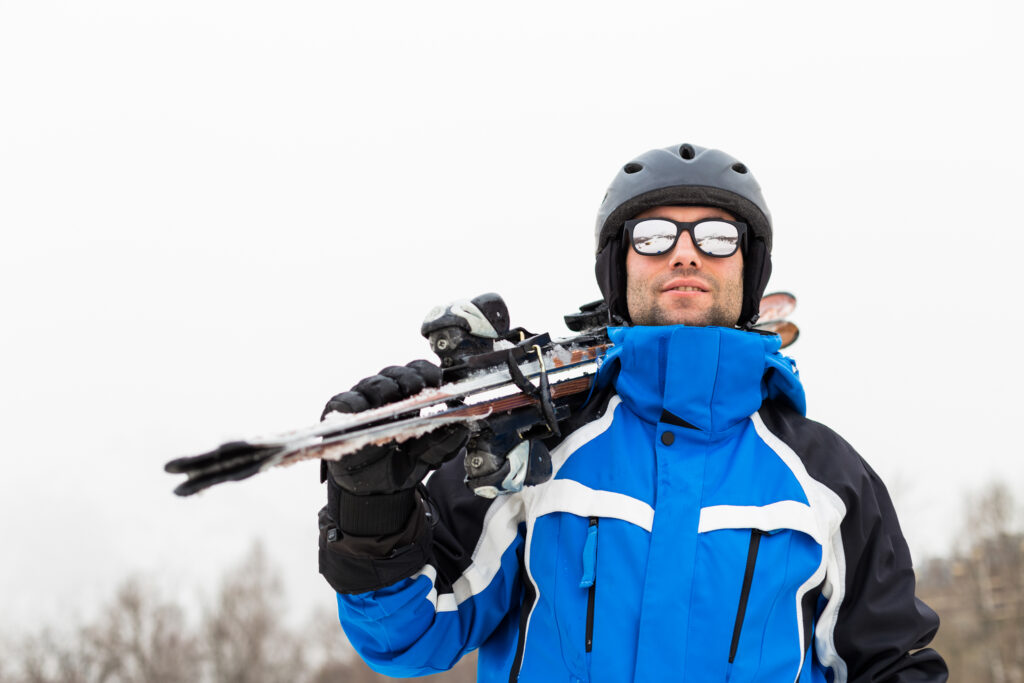
Iran, a land known for its rich history and diverse landscapes, offers an unexpected yet thrilling destination for skiers and snowboarders. The majestic Alborz Mountains stretch across the north of the country, providing a stunning backdrop for winter sports enthusiasts. Iran’s ski resorts are gaining recognition for their excellent snow conditions, challenging terrains, and modern facilities, making it an emerging hotspot for adventure seekers. Whether you’re looking to carve fresh powder on well-groomed slopes or venture into the backcountry for off-piste thrills, Iran has something to offer.Skiing in Iran is not just about the sport; it’s also an opportunity to immerse yourself in a culture that dates back thousands of years. From the bustling bazaars of Tehran to the tranquil villages nestled in the mountains, the country’s vibrant culture and warm hospitality add a unique dimension to your winter sports holiday. Iran’s ski resorts are also relatively uncrowded, allowing for a more relaxed and intimate experience compared to the more commercialized ski destinations in Europe and North America.Traveling to Iran for skiing or snowboarding might seem unconventional, but it promises an unforgettable experience. With a variety of slopes for all skill levels, excellent snow quality, and the chance to explore a country steeped in history, Iran is an emerging gem in the world of winter sports. Whether you’re a seasoned skier or a novice snowboarder, Iran’s slopes are ready to welcome you with open arms and an abundance of snow.
Iran is located in Western Asia, bordered by several countries including Iraq, Turkey, Armenia, Azerbaijan, Turkmenistan, Afghanistan, and Pakistan. The country’s diverse geography includes vast deserts, lush forests, and towering mountain ranges. The Alborz and Zagros mountains are the primary ranges offering excellent conditions for winter sports, with the Alborz range being home to the most renowned ski resorts.The Alborz Mountains, stretching across the northern part of Iran, are particularly significant for winter sports. Mount Damavand, the highest peak in Iran and the Middle East, stands at 5,671 meters (18,606 feet) and is a prominent feature of this range. The slopes of the Alborz Mountains are characterized by deep powder snow, steep runs, and breathtaking views of the surrounding landscapes, making them ideal for skiing and snowboarding.The climate in the mountainous regions of Iran varies significantly from the arid and semi-arid conditions found in much of the country. The higher elevations receive substantial snowfall during the winter months, creating perfect conditions for winter sports. This geographical diversity not only provides excellent skiing opportunities but also allows for a rich variety of off-mountain experiences, from exploring ancient historical sites to enjoying the local cuisine.
The best time to visit Iran for skiing and snowboarding is from December to March, when the snow conditions are at their peak. During these months, the ski resorts in the Alborz Mountains receive ample snowfall, providing excellent powder and well-groomed slopes. The weather is cold, with temperatures often dropping below freezing, ensuring that the snow remains in great condition throughout the season.January and February are typically the coldest months, offering the most consistent snow conditions. These months are ideal for those looking to experience the best of Iran’s winter sports scene, as the slopes are less crowded compared to popular ski destinations in Europe and North America. The high altitude of the ski resorts ensures a long season, with good snow coverage well into March.Visiting outside the main winter months can still be enjoyable, especially for those interested in other aspects of Iran’s rich cultural and natural heritage. However, for skiing and snowboarding, sticking to the December to March window is advisable to ensure the best possible conditions. It’s also worth noting that major Iranian holidays, such as Nowruz (Persian New Year), can affect travel plans and availability, so planning your trip around these dates is recommended.
To visit Iran, most travelers will need to obtain a visa prior to arrival. The process typically involves applying for a visa authorization code through an Iranian travel agency or online visa service, which you then use to obtain the visa from an Iranian consulate or embassy. The visa process can take several weeks, so it’s important to plan ahead and ensure all necessary documentation is prepared in advance.Visitors will need a valid passport with at least six months of validity remaining from the date of entry. Additionally, you may be required to provide proof of travel insurance that covers your stay in Iran. Some nationalities are eligible for visa-free entry or visa on arrival for short stays, but it’s essential to check the latest regulations as they can change frequently. U.S., Canadian, and British citizens must travel as part of an organized tour with a licensed guide.Iran has specific entry requirements that include restrictions on items such as alcohol and certain publications. It’s advisable to familiarize yourself with these regulations to avoid any issues upon arrival. Furthermore, Iran’s strict dress code must be observed, particularly for women who are required to wear a headscarf and modest clothing in public. Being aware of and respecting these requirements will help ensure a smooth entry and a pleasant stay in the country.
Reaching Iran is relatively straightforward, with numerous international flights connecting major cities around the world to Tehran, the capital city. Tehran Imam Khomeini International Airport (IKA) is the primary gateway for international travelers, offering connections to and from Europe, Asia, and the Middle East. Airlines such as Iran Air, Turkish Airlines, Qatar Airways, and Emirates provide regular flights to Tehran.Once in Tehran, domestic flights are available to other cities within Iran, though many of the ski resorts are accessible by road from the capital. The drive from Tehran to the popular ski resorts in the Alborz Mountains, such as Dizin and Shemshak, typically takes around 1.5 to 2 hours, depending on traffic and road conditions. Private transfers, taxis, and rental cars are common options for reaching these resorts.For those preferring an overland journey, Iran can also be reached by train or bus from neighboring countries, though this option is less common due to the longer travel times and varying levels of comfort. Regardless of your mode of transport, it’s important to plan your journey carefully, considering factors such as visa requirements, customs regulations, and seasonal weather conditions that may affect travel routes.
Iran boasts several ski resorts that cater to a range of abilities and preferences. Dizin, located in the Alborz Mountains, is the most famous and largest resort in the country. It offers over 18 kilometers (11.18 miles) of runs, with elevations ranging from 2,650 meters (8,694 feet) to 3,600 meters (11,811 feet). The resort features a variety of slopes for beginners, intermediates, and advanced skiers, as well as modern facilities including chairlifts, gondolas, and a snowboard park.Shemshak, another popular resort, is situated close to Dizin and is known for its more challenging terrain. It’s favored by advanced skiers and snowboarders due to its steep runs and off-piste opportunities. The resort’s high altitude ensures good snow coverage throughout the season, and it offers a range of amenities including ski rentals, accommodations, and dining options.For those looking for a more intimate and less commercial experience, Tochal is an excellent choice. Located just a short drive from Tehran, Tochal is one of the highest ski resorts in the world, with its highest point reaching 3,963 meters (12,999 feet). The resort features a hotel at the top station, offering stunning panoramic views of the Alborz Mountains and the city below. Tochal’s proximity to Tehran makes it a convenient option for a day trip or a quick getaway.
Iran’s ski resorts are well-equipped with rental shops that offer a wide range of ski and snowboard gear. At major resorts like Dizin, Shemshak, and Tochal, you can find equipment rentals for all levels, including skis, snowboards, boots, poles, and helmets. The rental shops typically carry both international and local brands, ensuring a good selection of quality gear to choose from.In addition to rentals, many resorts have shops that sell ski and snowboard equipment, clothing, and accessories. These shops offer everything from outerwear and gloves to goggles and safety gear. While prices may vary, you can often find good deals on both new and used equipment. It’s worth noting that availability can be limited during peak season, so if you have specific requirements, it’s advisable to reserve your equipment in advance.For those who prefer to bring their own gear, airlines operating flights to Iran generally allow sports equipment as part of your checked baggage allowance, though it’s important to check with your specific carrier for their policies. Whether renting or bringing your own equipment, ensuring you have the right gear is crucial for an enjoyable and safe skiing or snowboarding experience in Iran.
Iran offers excellent opportunities for backcountry and off-piste skiing, particularly in the Alborz and Zagros mountain ranges. The vast, unspoiled landscapes provide an ideal setting for adventurous skiers and snowboarders looking to explore beyond the groomed slopes. Dizin and Shemshak resorts, known for their challenging terrains, have areas that are popular for off-piste skiing, offering deep powder and thrilling descents.However, venturing into the backcountry requires careful planning and a good understanding of the risks involved. Avalanches are a significant hazard in these mountainous regions, and it’s essential to have the proper safety equipment, including avalanche transceivers, probes, and shovels. Hiring a local guide who is familiar with the terrain and current snow conditions is highly recommended to ensure a safe and enjoyable experience.Several companies in Iran specialize in backcountry tours and can provide guided excursions tailored to different skill levels. These tours often include transportation, accommodation, and meals, as well as the necessary safety gear. Participating in an organized tour is an excellent way to experience the best of Iran’s off-piste skiing while minimizing the risks associated with backcountry travel. Always check the local avalanche forecasts and weather conditions before heading out.
Iran offers a variety of accommodation options to suit different budgets and preferences. At the ski resorts, you can find hotels, guesthouses, and rental chalets. Dizin, being the largest resort, has several hotels within close proximity to the slopes, ranging from budget-friendly lodgings to more luxurious options. The Dizin Hotel, for example, offers comfortable rooms with stunning mountain views, along with amenities such as restaurants and equipment rentals.Shemshak also has a selection of accommodations, though on a smaller scale compared to Dizin. The Shemshak Tourist Hotel provides cozy rooms and easy access to the slopes, making it a convenient choice for skiers and snowboarders. Additionally, there are several private chalets available for rent, offering a more intimate and home-like atmosphere.In Tehran, you’ll find a wide range of hotels, from luxury international chains to budget-friendly options. Staying in the capital allows you to explore the city’s many attractions while being within a short drive to the ski resorts. Whether you prefer the convenience of slope-side accommodations or the cultural immersion of staying in Tehran, Iran’s hospitality sector ensures a comfortable stay for all travelers.
Iranian cuisine is a highlight of any visit to the country, offering a rich and diverse array of flavors. At the ski resorts, you’ll find restaurants and cafes serving both local and international dishes. Traditional Persian cuisine includes a variety of kebabs, stews, rice dishes, and fresh herbs. Dizin and Shemshak resorts have several dining options where you can enjoy hearty meals after a day on the slopes. Popular dishes include chelo kebab (rice with grilled meat), fesenjan (a pomegranate walnut stew), and ash-e reshteh (a thick soup with noodles and beans).In addition to resort dining, the nearby towns and Tehran offer a plethora of culinary experiences. Tehran’s vibrant food scene includes everything from street food vendors to high-end restaurants. Exploring the local cuisine is a must, with dishes like tahchin (a savory saffron rice cake with chicken) and dizi (a traditional lamb and chickpea stew) providing a taste of Iran’s rich culinary heritage.Vegetarians and those with dietary restrictions will also find options, although it may require some effort to communicate specific needs. Fresh fruits, vegetables, and a variety of dairy products are widely available. Whether dining on the slopes or exploring the city’s restaurants, the culinary aspect of your trip to Iran will undoubtedly be memorable.
Getting around Iran is relatively straightforward, with a variety of transportation options available. In Tehran, the metro system is efficient and affordable, providing access to many parts of the city. Taxis and ride-sharing services like Snapp are also widely available and are a convenient way to travel both within the city and to nearby destinations. For longer distances, domestic flights connect major cities, although driving is often the preferred mode of transport to reach the ski resorts.For those heading to the ski resorts, private transfers and taxis are common options. The drive from Tehran to Dizin or Shemshak takes approximately 1.5 to 2 hours, depending on traffic and road conditions. Rental cars are also available, though it’s important to note that driving in Iran can be challenging due to traffic and local driving habits. Hiring a driver is a good alternative if you prefer not to drive yourself.Buses and trains offer additional options for travel within Iran. While they may not be the fastest mode of transport, they provide a chance to see more of the country and experience local life. Luxury bus services between major cities are comfortable and reasonably priced. Overall, planning your transportation in advance and considering factors such as travel time, cost, and convenience will help ensure a smooth journey.
Getting around Iran is relatively straightforward, with a variety of transportation options available. In Tehran, the metro system is efficient and affordable, providing access to many parts of the city. Taxis and ride-sharing services like Snapp are also widely available and are a convenient way to travel both within the city and to nearby destinations. For longer distances, domestic flights connect major cities, although driving is often the preferred mode of transport to reach the ski resorts.For those heading to the ski resorts, private transfers and taxis are common options. The drive from Tehran to Dizin or Shemshak takes approximately 1.5 to 2 hours, depending on traffic and road conditions. Rental cars are also available, though it’s important to note that driving in Iran can be challenging due to traffic and local driving habits. Hiring a driver is a good alternative if you prefer not to drive yourself.Buses and trains offer additional options for travel within Iran. While they may not be the fastest mode of transport, they provide a chance to see more of the country and experience local life. Luxury bus services between major cities are comfortable and reasonably priced. Overall, planning your transportation in advance and considering factors such as travel time, cost, and convenience will help ensure a smooth journey.
The official currency of Iran is the Iranian rial (IRR). Due to international sanctions, credit and debit cards issued outside of Iran are generally not accepted, so it’s essential to bring enough cash to cover your expenses. U.S. dollars and euros are the most widely accepted foreign currencies for exchange, and it’s advisable to carry a mix of denominations for convenience. Currency exchange services are available at airports, hotels, and licensed exchange offices in major cities.Carrying cash in Iran is safe, but it’s important to be cautious and keep your money secure. When exchanging money, always use official exchange offices to avoid potential scams. It’s also a good idea to keep some smaller bills and coins for everyday transactions, as larger notes can sometimes be difficult to change, particularly in smaller towns or rural areas.Some hotels, especially in major cities and tourist areas, may accept foreign currency for payment, but this is not guaranteed. Always confirm in advance to avoid any issues. Tipping is not customary in Iran, but it is appreciated for good service. A small tip of around 5-10% in restaurants and for services such as hotel porters is generally sufficient. Being prepared with the local currency and understanding the payment methods will ensure a hassle-free experience during your stay.
The official language of Iran is Persian (Farsi), and it is the most widely spoken language in the country. While English is not commonly spoken outside of major cities and tourist areas, you will find that many younger Iranians and those working in the hospitality industry have a basic understanding of English. Learning a few basic phrases in Persian can be very helpful and is often appreciated by the locals.In ski resorts like Dizin and Shemshak, staff members are more likely to speak some English, as they frequently interact with international visitors. Signage at these resorts is often bilingual, making it easier for non-Persian speakers to navigate. However, carrying a phrasebook or using a translation app can be beneficial, especially when traveling to more remote areas or interacting with local businesses.Communication can also be facilitated through gestures and polite expressions. Iranians are known for their hospitality and will often go out of their way to assist visitors. Having a local guide can enhance your experience, particularly if you venture into the backcountry or explore cultural sites. Overall, while language may pose some challenges, a friendly approach and willingness to engage with locals will help bridge any communication gaps.
Iran is a country with a rich cultural heritage, offering numerous attractions beyond its ski resorts. Tehran, the capital, is home to a variety of museums, parks, and historical sites. The Golestan Palace, a UNESCO World Heritage site, showcases stunning Persian architecture and intricate tile work. The National Museum of Iran provides insights into the country’s ancient history, with artifacts dating back to the pre-Islamic period.In addition to historical sites, Iran’s natural attractions are equally impressive. The Alborz and Zagros mountains offer opportunities for hiking, climbing, and exploring scenic landscapes. The Caspian Sea, located to the north of the Alborz Mountains, provides a contrast with its coastal beauty and offers a range of recreational activities. For those interested in more cultural experiences, the city of Isfahan, known for its stunning Islamic architecture, and the ancient ruins of Persepolis are must-visit destinations.The warm hospitality of the Iranian people is a highlight of any visit. Traditional tea houses, local bazaars, and cultural festivals provide opportunities to interact with locals and experience their way of life. Whether you’re exploring bustling cities or tranquil mountain villages, the rich cultural tapestry of Iran will leave a lasting impression on your journey.
Iran has specific laws and regulations that visitors must adhere to. Alcohol is strictly prohibited, and bringing alcoholic beverages into the country is illegal. Consumption of alcohol is punishable by law, so it’s important to respect this regulation. Additionally, certain forms of public behavior, such as public displays of affection, are considered inappropriate and can result in penalties.Photography restrictions apply in some areas, particularly around military and government facilities. Always seek permission before taking photos of people, especially women, and be mindful of signs indicating no photography zones. Drones are also regulated, and using them without proper authorization can lead to legal issues.Drug offenses are severely punished in Iran, with strict penalties for possession, use, or trafficking. It’s crucial to avoid any involvement with illegal substances. Visitors should also be aware of the country’s internet restrictions, with certain websites and social media platforms blocked. Using a VPN can help access blocked sites, but it’s important to ensure that your online activities comply with local regulations. Familiarizing yourself with these laws and adhering to them will ensure a safe and trouble-free visit.
Iran is generally a safe country for travelers, with low levels of violent crime. However, it’s always important to take standard precautions to ensure your safety. Keep your belongings secure, particularly in crowded areas, and avoid displaying valuable items. Staying aware of your surroundings and following local advice will help you avoid any potential issues.In case of an emergency, knowing the local emergency numbers is essential. The general emergency number in Iran is 110, which can be dialed for police assistance. For medical emergencies, dial 115 for an ambulance. It’s also advisable to have the contact information of your embassy or consulate readily available, as they can provide assistance in case of legal or medical emergencies.Travel insurance is highly recommended when visiting Iran. Ensure that your insurance covers winter sports activities, including skiing and snowboarding. Medical facilities in major cities are generally of good quality, but having insurance can provide peace of mind in case of unexpected medical expenses. Being prepared with these safety tips and emergency contacts will help ensure a secure and enjoyable trip.
When traveling to Iran, having comprehensive health and travel insurance is crucial. Medical facilities in major cities such as Tehran are well-equipped, but access to healthcare in remote areas may be limited. Travel insurance should cover medical emergencies, evacuation, and winter sports activities if you plan to ski or snowboard. Ensure that your policy is valid for the duration of your stay and covers all the activities you intend to engage in.It’s also advisable to bring any necessary medications with you, along with a copy of your prescriptions. Pharmacies in Iran are well-stocked, but having your own supply ensures that you have access to the specific medications you need. Carry a basic first aid kit for minor injuries or illnesses, especially if you plan to spend time in remote areas or engage in backcountry skiing.Before traveling, check for any required vaccinations and health advisories for Iran. Staying up-to-date with routine vaccinations is generally recommended. Additionally, maintaining good hygiene practices, such as regular handwashing and drinking bottled or purified water, will help prevent common travel-related illnesses. Being prepared with health and travel insurance ensures that you can enjoy your trip with confidence and peace of mind.