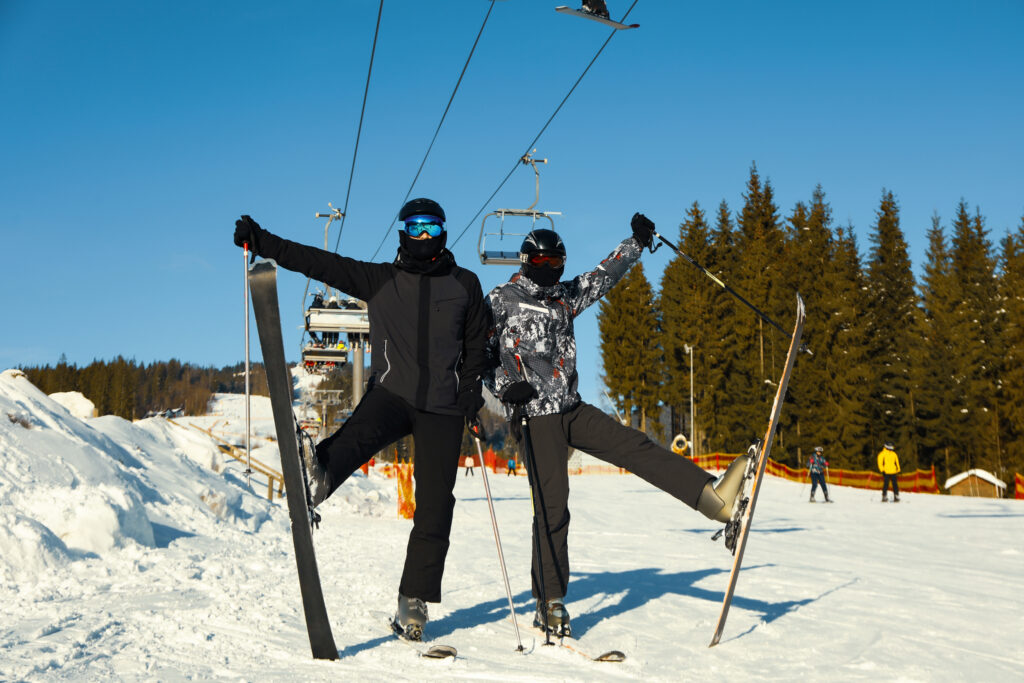
Italy, renowned for its rich history, art, and cuisine, also boasts some of the most picturesque and exhilarating ski and snowboard destinations in the world. From the majestic Alps in the north to the stunning Dolomites in the northeast, Italy offers a diverse range of slopes catering to all levels of skiers and snowboarders. Whether you’re seeking family-friendly resorts, challenging off-piste terrains, or vibrant après-ski scenes, Italy has it all. The combination of excellent snow conditions, modern facilities, and breathtaking landscapes makes it a must-visit destination for winter sports enthusiasts.
Italy is located in southern Europe, bordered by France, Switzerland, Austria, and Slovenia to the north. The country’s geography is diverse, with the Alpine mountain range dominating the northern regions and the Apennine Mountains running down the spine of the peninsula. The most popular skiing regions are the Italian Alps and the Dolomites, offering a mix of high-altitude glaciers and lower, forested slopes. The climate varies significantly across the country, with the northern regions experiencing colder winters with heavy snowfall, ideal for winter sports.The Italian Alps, home to some of the most famous ski resorts, such as Courmayeur and Livigno, stretch along the country’s northern border. This region provides a mix of challenging runs and beautiful alpine scenery. The Dolomites, part of the Eastern Alps, are known for their dramatic limestone formations and extensive ski areas like Val Gardena and Cortina d’Ampezzo. This region is particularly famous for its unique geological features and UNESCO World Heritage status, adding an extra layer of allure to your skiing adventure.
The best time to visit Italy for skiing and snowboarding is from late December to early April. During this period, the snow conditions are generally at their peak, with consistent snowfall and well-maintained slopes. January and February are particularly popular months, offering the best snow quality and a bustling atmosphere at the resorts. If you prefer a quieter experience, March can be an excellent choice, as the crowds begin to thin out while the snow remains good, and the days become longer and sunnier.Spring skiing in April can also be a delight, especially in higher-altitude resorts where the snowpack lasts longer. The warmer temperatures and extended daylight hours make for pleasant skiing conditions and the opportunity to enjoy Italy’s stunning mountain landscapes in the sunshine. However, it is important to check the specific snow conditions of your chosen resort, as lower-altitude areas may start to experience snowmelt towards the end of the season.For those looking to avoid peak holiday crowds and get the best deals, the weeks before Christmas and after Easter are ideal. These periods, known as the shoulder seasons, often offer lower accommodation prices and fewer visitors on the slopes. Regardless of when you choose to visit, Italy’s ski resorts provide a unique blend of excellent skiing, Italian hospitality, and world-renowned cuisine, ensuring a memorable winter sports vacation.
Italy is part of the Schengen Area, which means travelers from many countries, including the United States, Canada, Australia, and the European Union, can enter visa-free for short stays of up to 90 days within a 180-day period. If you plan to stay longer or come from a country that requires a visa, you must apply for a Schengen visa before your trip. Ensure your passport is valid for at least three months beyond your planned departure date from the Schengen Area.When entering Italy, be prepared to show proof of accommodation, sufficient funds for your stay, and a return or onward ticket. Immigration authorities may also ask for evidence of travel insurance that covers medical expenses and emergencies. It is advisable to carry copies of important documents, such as your passport and insurance details, in case of loss or theft.For travelers who plan to work or study in Italy, a different visa type is required, and the application process can be more extensive. Ensure you check the latest visa requirements and guidelines from the Italian consulate or embassy in your home country before making travel arrangements. Staying informed and prepared will help ensure a smooth entry into Italy for your winter sports adventure.
Italy is well-connected by air, with several international airports serving major cities and ski regions. The primary gateways for ski travelers are Milan Malpensa (MXP), Turin Caselle (TRN), and Venice Marco Polo (VCE). From these airports, you can easily reach the main ski resorts via train, bus, or car rental. Direct flights to Italy are available from many European cities and major international hubs, making it convenient to access from almost anywhere in the world.For those traveling from within Europe, high-speed trains are an excellent option, offering scenic routes and comfortable journeys. Trenitalia and Italo provide extensive rail networks connecting major cities to nearby ski regions. For example, trains from Milan to the Aosta Valley or from Venice to the Dolomites are efficient and offer stunning views of the Italian countryside. Bus services and private transfers are also available, catering to various budgets and preferences.Driving to the ski resorts is another popular option, providing flexibility and the opportunity to explore more remote areas. Italy’s road network is generally well-maintained, but winter driving conditions can be challenging, especially in mountainous regions. Ensure your vehicle is equipped with winter tires or chains and check weather forecasts regularly. Whether you choose to fly, take the train, or drive, Italy’s diverse ski destinations are within easy reach, promising an unforgettable winter sports experience.
Italy boasts a wide range of ski and snowboard resorts, catering to all skill levels and preferences. In the Italian Alps, Courmayeur, located near Mont Blanc, offers challenging runs and stunning vistas. It is known for its vibrant après-ski scene and luxurious accommodations. Livigno, close to the Swiss border, is another top destination, famous for its excellent snowpark, tax-free shopping, and extensive ski area with over 115 km (71 miles) of slopes.The Dolomites, part of the larger Dolomiti Superski region, encompass several renowned resorts such as Val Gardena, Cortina d’Ampezzo, and Alta Badia. Val Gardena is ideal for families and intermediate skiers, offering well-groomed slopes and charming alpine villages. Cortina d’Ampezzo, often referred to as the “Queen of the Dolomites,” combines sophisticated charm with world-class skiing, hosting numerous international events. Alta Badia is praised for its gourmet cuisine, with many Michelin-starred restaurants, and its beautiful scenery.For those seeking a more traditional and authentic experience, resorts like Cervinia, with its high-altitude skiing and connection to Zermatt in Switzerland, and Sestriere, part of the Milky Way ski area, offer diverse terrains and reliable snow conditions. These resorts provide a blend of challenging runs and family-friendly options, ensuring a memorable experience for every type of skier or snowboarder.
Italy offers a wide range of equipment rental shops in all major ski resorts, ensuring that you have access to the latest gear and expert advice. These shops typically provide everything you need, including skis, snowboards, boots, helmets, and poles. Renting equipment can be a convenient and cost-effective option, especially for beginners or those who do not wish to travel with their own gear. Many rental shops also offer high-performance and premium equipment for advanced skiers and snowboarders looking for top-quality gear.It is advisable to reserve your equipment in advance, particularly during peak season, to ensure availability and to benefit from potential discounts. Many rental shops allow online bookings, making the process smooth and hassle-free. Additionally, most shops offer the flexibility to change or upgrade equipment during your rental period, allowing you to adapt to changing conditions or try out different types of gear.In addition to rental shops, most resorts have a variety of sports stores where you can purchase equipment, clothing, and accessories. These stores often carry a wide selection of brands and products, catering to all budgets and preferences. Knowledgeable staff are usually on hand to provide personalized recommendations and fitting services, ensuring you are well-prepared for your time on the slopes.
Italy’s diverse terrain offers excellent opportunities for backcountry and off-piste skiing, attracting adventurous skiers and snowboarders seeking untouched powder and challenging descents. The Dolomites are particularly renowned for their off-piste possibilities, with areas like the Sella Ronda and Marmolada Glacier offering thrilling routes through stunning landscapes. The Italian Alps also provide numerous backcountry options, with regions like the Aosta Valley and Piedmont offering extensive off-piste terrain.When venturing into the backcountry, it is crucial to prioritize safety and be well-prepared. Hiring a local guide with in-depth knowledge of the area and current snow conditions is highly recommended. Guides can not only lead you to the best spots but also ensure that you navigate the terrain safely. Additionally, it is essential to carry appropriate safety equipment, including an avalanche transceiver, probe, and shovel, and to be familiar with their use.Many resorts and specialized companies offer guided tours and courses in backcountry skiing and avalanche safety. These services provide valuable education and experience, enhancing your skills and confidence in the backcountry. Always check the local avalanche forecast and weather conditions before heading out, and be aware of the risks associated with off-piste skiing. With the right preparation and caution, Italy’s backcountry can offer an unforgettable and exhilarating skiing experience.
Italy’s ski resorts offer a diverse range of accommodation options, catering to all budgets and preferences. From luxurious hotels and chalets to cozy bed and breakfasts and self-catering apartments, there is something to suit every type of traveler. Many resorts feature ski-in/ski-out accommodations, providing the ultimate convenience for accessing the slopes. High-end hotels often come with additional amenities such as spas, gourmet restaurants, and concierge services, ensuring a comfortable and indulgent stay.For those seeking a more intimate and authentic experience, family-run guesthouses and agriturismi (farm stays) offer warm hospitality and a glimpse into local life. These accommodations often provide home-cooked meals made with regional ingredients, adding a culinary highlight to your trip. Self-catering apartments and holiday homes are ideal for families or groups, offering flexibility and the convenience of preparing your own meals. Many of these properties are located within walking distance of the slopes and local amenities.Budget travelers will find a variety of options, including hostels, budget hotels, and shared chalets. These accommodations provide basic amenities and a friendly atmosphere, often with communal areas where guests can socialize and share experiences. No matter your preference or budget, Italy’s ski resorts offer a wide range of accommodation options to ensure a comfortable and enjoyable stay.
Italian cuisine is world-renowned, and dining in Italy’s ski resorts is no exception. From rustic mountain huts serving hearty local dishes to elegant restaurants offering gourmet cuisine, there is something to satisfy every palate. Traditional Italian meals, such as pasta, risotto, and polenta, are staples in the mountains, often accompanied by local cheeses, cured meats, and wines. Regional specialties vary, with the Aosta Valley known for its fondue and raclette, while the Trentino-Alto Adige region offers unique dishes influenced by Austrian and Tyrolean cuisine.Many ski resorts boast Michelin-starred restaurants, providing an exceptional dining experience with creative menus and top-quality ingredients. These establishments often emphasize local and seasonal produce, creating dishes that reflect the rich culinary heritage of the region. For a more casual dining experience, numerous pizzerias, trattorias, and rifugi (mountain huts) serve delicious and affordable meals, perfect for refueling after a day on the slopes.Après-ski in Italy is a vibrant and integral part of the skiing experience. Mountain bars and lodges come alive in the late afternoon, offering a range of drinks, snacks, and live music. Enjoying a glass of local wine or a warm bombardino (a popular alpine drink made with eggnog and brandy) while taking in the mountain views is a perfect way to unwind and socialize. Whether you are a food enthusiast or simply looking for a cozy place to relax, Italy’s dining options will enhance your skiing adventure.
Italy’s transportation network is well-developed, making it easy to travel between ski resorts and major cities. Trains are a popular and efficient mode of transport, with high-speed and regional services connecting key destinations. The Trenitalia and Italo networks provide comfortable and scenic journeys, with routes such as Milan to Turin or Venice to Bolzano offering convenient access to nearby ski regions. Many ski resorts also offer shuttle services from the nearest train station, making the transition from rail to slope seamless.Buses and private transfers are widely available, providing flexible and cost-effective options for reaching ski resorts. Companies like FlixBus and local operators run regular services between major cities and popular ski destinations. Private transfers and shared shuttle services can be booked in advance, offering door-to-door convenience, especially for those traveling with bulky ski equipment. Renting a car is another option, providing the freedom to explore multiple resorts and enjoy the picturesque drives through Italy’s mountainous regions.Within ski resorts, various transportation options are available, including ski buses, taxis, and cable cars. Ski buses often run frequent services between accommodation areas and ski lifts, ensuring easy access to the slopes. Cable cars and gondolas are integral to many resorts, offering stunning views and quick transport to higher-altitude slopes. With a range of transportation options, getting around Italy’s ski regions is convenient and straightforward, allowing you to focus on enjoying your skiing adventure.
Italy’s transportation network is well-developed, making it easy to travel between ski resorts and major cities. Trains are a popular and efficient mode of transport, with high-speed and regional services connecting key destinations. The Trenitalia and Italo networks provide comfortable and scenic journeys, with routes such as Milan to Turin or Venice to Bolzano offering convenient access to nearby ski regions. Many ski resorts also offer shuttle services from the nearest train station, making the transition from rail to slope seamless.Buses and private transfers are widely available, providing flexible and cost-effective options for reaching ski resorts. Companies like FlixBus and local operators run regular services between major cities and popular ski destinations. Private transfers and shared shuttle services can be booked in advance, offering door-to-door convenience, especially for those traveling with bulky ski equipment. Renting a car is another option, providing the freedom to explore multiple resorts and enjoy the picturesque drives through Italy’s mountainous regions.Within ski resorts, various transportation options are available, including ski buses, taxis, and cable cars. Ski buses often run frequent services between accommodation areas and ski lifts, ensuring easy access to the slopes. Cable cars and gondolas are integral to many resorts, offering stunning views and quick transport to higher-altitude slopes. With a range of transportation options, getting around Italy’s ski regions is convenient and straightforward, allowing you to focus on enjoying your skiing adventure.
The official currency of Italy is the Euro (€). Credit and debit cards are widely accepted in most establishments, including hotels, restaurants, and shops. Visa and MasterCard are the most commonly accepted cards, while American Express and Diners Club may be less widely recognized. It is advisable to carry some cash for smaller purchases, especially in remote areas or small villages where card payments may not be accepted.ATMs are readily available in most towns and ski resorts, allowing you to withdraw cash as needed. Be aware that some ATMs may charge a fee for foreign cards, so it is useful to check with your bank about any international withdrawal fees before your trip. Contactless payment methods, such as Apple Pay and Google Pay, are becoming increasingly common, particularly in larger cities and modern establishments.Tipping in Italy is not mandatory, but it is appreciated for good service. In restaurants, it is common to leave a small tip, usually around 5-10% of the bill, or simply round up the total amount. In bars and cafes, leaving some change as a gratuity is customary. For other services, such as hotel staff or taxi drivers, a small tip is also a nice gesture. Being aware of local customs and carrying some cash will ensure smooth transactions and a pleasant experience during your stay.
The official language of Italy is Italian. While English is widely spoken in major tourist areas, especially among younger generations and in the hospitality industry, learning a few basic Italian phrases can enhance your experience and help you connect with locals. Common phrases like “buongiorno” (good morning), “per favore” (please), and “grazie” (thank you) are always appreciated and can go a long way in making a positive impression.In ski resorts, you will find that many staff members, including those in hotels, restaurants, and rental shops, speak English. Information and signage are often available in multiple languages, including English and German, particularly in regions close to the borders. However, in more remote or traditional villages, English proficiency may be limited, so having a basic understanding of Italian or a translation app can be very helpful.Italy also has a rich tradition of regional languages and dialects, which can vary significantly from one area to another. While standard Italian is understood everywhere, you may encounter local expressions and accents that reflect the country’s diverse cultural heritage. Embracing these linguistic nuances can add depth to your travel experience and foster a greater appreciation for Italy’s regional diversity.
Italy is a country steeped in history, art, and culture, offering a wealth of attractions to explore beyond the ski slopes. In the Italian Alps and Dolomites, you can visit charming alpine villages, historic castles, and beautiful churches that reflect the region’s rich heritage. Towns like Bormio and Courmayeur offer thermal baths and wellness centers, perfect for relaxation after a day on the slopes. The Dolomites are also home to stunning natural parks and UNESCO World Heritage sites, providing opportunities for hiking, snowshoeing, and sightseeing.In addition to natural beauty, Italy’s ski regions boast vibrant cultural scenes. Many resorts host winter festivals, markets, and events celebrating local traditions and cuisine. The Trentino-Alto Adige region, for example, is known for its Christmas markets, where you can enjoy festive food, crafts, and entertainment. Visiting these cultural events can provide a deeper understanding of the local way of life and enhance your overall experience.For those interested in history and architecture, northern Italy offers numerous cities and towns worth exploring. Milan, Turin, and Venice are within easy reach of many ski resorts and provide a wealth of cultural attractions, including museums, galleries, and historic landmarks. Whether you are passionate about art, history, or simply soaking in the local atmosphere, Italy’s cultural treasures are sure to enrich your winter sports vacation.
Italy has specific laws and regulations that visitors should be aware of to ensure a smooth and lawful stay. Smoking is prohibited in all indoor public places, including restaurants, bars, and hotels. Designated smoking areas are usually available outside. Drinking alcohol in public places is generally allowed, but it is important to drink responsibly and avoid disruptive behavior, particularly in residential areas.Drug possession and use are illegal in Italy, with strict penalties for violations. It is also important to note that carrying weapons, including knives, is prohibited unless they are intended for specific activities, such as skiing or hiking, and are carried in a safe manner. When driving, always carry your driving license, passport, and vehicle documents. Italy has strict drink-driving laws, and wearing seat belts is mandatory for all passengers.Respecting local laws also extends to environmental conservation. Italy’s natural parks and ski resorts have regulations in place to protect the environment, including restrictions on littering and guidelines for wildlife protection. Following these rules helps preserve the beauty of the landscapes and ensures a sustainable experience for future visitors. Being aware of and adhering to local laws will help you enjoy your trip without any legal complications.
Safety is a top priority when skiing or snowboarding in Italy. Always check the weather and avalanche forecasts before heading to the slopes, and follow the resort’s safety guidelines. Wearing a helmet is highly recommended for all skiers and snowboarders. Ensure your equipment is in good condition and properly fitted, and consider taking lessons if you are a beginner or want to improve your skills. Staying within marked pistes is advised unless you are with a qualified guide.In case of an emergency, the general emergency number in Italy is 112, which connects you to police, medical, and fire services. Ski resorts also have their own mountain rescue services, and it is useful to know the specific emergency contact details for the resort you are visiting. Carrying a charged mobile phone with you on the slopes can be crucial for calling for help if needed.Travel insurance is essential for covering medical expenses, accidents, and other unforeseen events. Ensure your policy includes coverage for winter sports activities and potential evacuation costs. Familiarize yourself with the location of the nearest medical facilities and pharmacies in the resort. By taking these precautions, you can enjoy a safe and worry-free skiing experience in Italy.
Comprehensive travel insurance is crucial when visiting Italy for skiing or snowboarding. Ensure your policy covers medical expenses, accidents, and winter sports activities. This includes emergency medical treatment, hospital stays, and repatriation if necessary. Some policies also cover lost or stolen equipment, trip cancellations, and delays, providing additional peace of mind during your trip.It is advisable to carry your insurance documents with you and know how to contact your insurer in case of an emergency. Familiarize yourself with the procedures for making a claim and keep any receipts or documentation related to medical treatment or other covered incidents. Having proper insurance coverage ensures that you are protected against unexpected expenses and can access necessary medical care if needed.In addition to travel insurance, carrying a European Health Insurance Card (EHIC) or a Global Health Insurance Card (GHIC) if you are an EU or UK resident can provide access to public healthcare services at a reduced cost or for free. However, these cards are not a substitute for comprehensive travel insurance, as they do not cover private medical treatment, repatriation, or other non-medical issues. Being well-prepared with both travel insurance and health insurance ensures a safe and enjoyable skiing adventure in Italy.