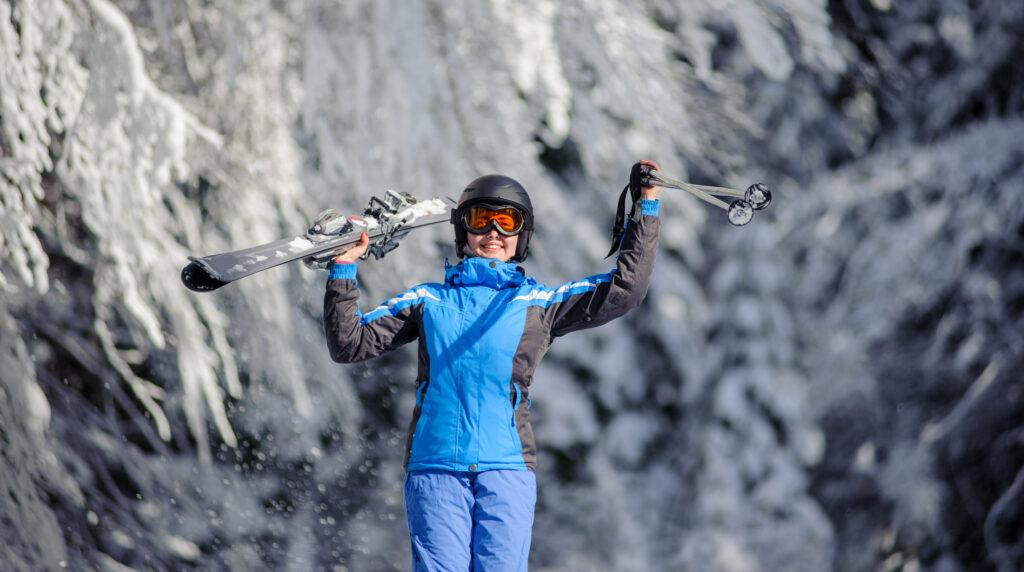
Kyrgyzstan, a hidden gem in Central Asia, offers an unparalleled skiing and snowboarding experience. This mountainous country, often overlooked by winter sports enthusiasts, boasts pristine slopes, untouched powder, and stunning landscapes. For those seeking an adventure off the beaten path, Kyrgyzstan’s combination of natural beauty, rich culture, and modern amenities makes it an ideal destination. Whether you’re a seasoned pro or a beginner, you’ll find that Kyrgyzstan provides a diverse range of skiing and snowboarding opportunities.
This guide will provide you with everything you need to know to plan your trip to Kyrgyzstan. From the best time to visit and visa requirements to detailed information on ski resorts and accommodation options, we’ve got you covered. Additionally, we’ll share tips on navigating the country, understanding local customs, and ensuring your safety while enjoying the slopes. Kyrgyzstan’s unique blend of traditional culture and modern facilities guarantees an unforgettable experience for every winter sports enthusiast.
With its breathtaking mountains, vibrant culture, and welcoming locals, Kyrgyzstan is a destination that promises both thrill and relaxation. The country’s well-maintained ski resorts offer all the amenities you need for a comfortable stay, while the backcountry terrain provides endless opportunities for adventure. So pack your bags, wax your skis or snowboard, and get ready to experience the winter wonderland of Kyrgyzstan.
Kyrgyzstan is a landlocked country in Central Asia, bordered by Kazakhstan to the north, Uzbekistan to the west, Tajikistan to the southwest, and China to the east. Its rugged terrain is dominated by the Tien Shan and Pamir mountain ranges, which cover approximately 90% of the country. This mountainous landscape provides excellent conditions for skiing and snowboarding, with high altitudes and abundant snowfall during the winter months.
The country’s capital, Bishkek, is located in the northern part of the country and serves as the main gateway for international visitors. From Bishkek, the journey to the main ski resorts and backcountry areas is relatively short, making it a convenient starting point for your adventure. The country’s diverse geography also includes vast steppes, lush valleys, and crystal-clear alpine lakes, offering plenty of scenic beauty to enjoy both on and off the slopes.
Kyrgyzstan’s mountainous regions are home to a variety of wildlife, including snow leopards, ibex, and eagles, adding to the allure of the country’s natural environment. The combination of dramatic landscapes and rich biodiversity makes Kyrgyzstan a unique destination for winter sports enthusiasts and nature lovers alike.
The best time to visit Kyrgyzstan for skiing and snowboarding is from December to March. During these months, the mountains receive substantial snowfall, creating ideal conditions for winter sports. The peak season is typically from late December to early February, when the snow is at its best, and the resorts are fully operational.
While the winter months offer the best skiing conditions, it’s important to consider the weather patterns in different regions. The northern slopes generally receive more snowfall and have a longer season, while the southern regions may have a shorter season with less reliable snow cover. It’s advisable to check the current snow conditions and weather forecasts before planning your trip to ensure you get the best experience possible.
Spring skiing in April can also be enjoyable, with longer days and milder temperatures. However, the snow quality may not be as good as during the peak winter months. If you prefer fewer crowds and a more relaxed atmosphere, visiting during the shoulder seasons of early December or late March can be a great option.
Visitors to Kyrgyzstan from many countries, including the United States, Canada, European Union member states, and several others, can enter the country visa-free for up to 60 days. For those requiring a visa, the process is relatively straightforward and can often be completed online through the e-visa system. It’s essential to check the specific visa requirements based on your nationality before planning your trip.
To enter Kyrgyzstan, your passport must be valid for at least six months beyond your intended stay. Additionally, you may be required to provide proof of onward travel and sufficient funds to support your stay. It’s advisable to carry copies of important documents, such as your passport and visa, in case of loss or theft during your travels.
If you plan to stay longer than 60 days, you will need to apply for a visa extension through the local authorities. This process can take some time, so it’s best to plan accordingly and apply well in advance of your intended stay. Ensuring that your visa and entry requirements are in order will help you avoid any complications upon arrival.
The primary gateway to Kyrgyzstan is Manas International Airport (FRU), located about 25 kilometers (15.5 miles) northwest of Bishkek. The airport offers direct flights from several major cities, including Moscow, Istanbul, Dubai, and Almaty. From the airport, you can easily reach Bishkek by taxi or shuttle bus, with travel times ranging from 30 to 45 minutes depending on traffic.
If you are traveling from Europe or North America, you may need to connect through a major hub such as Istanbul or Moscow. Several airlines operate regular flights to Kyrgyzstan, providing a variety of options for travelers. It’s advisable to book your flights well in advance, especially during the peak winter season, to secure the best rates and availability.
For those looking for an overland adventure, it’s possible to reach Kyrgyzstan by road from neighboring countries. However, this option requires careful planning and consideration of border crossings and road conditions, especially during winter. The most common overland routes are from Kazakhstan and Uzbekistan, with several bus and shared taxi services available.
Kyrgyzstan boasts several ski resorts, each offering unique experiences for skiers and snowboarders. The most popular resort is Karakol Ski Resort, located in the eastern part of the country near Lake Issyk-Kul. Karakol offers well-groomed slopes, modern lifts, and a variety of runs suitable for all skill levels. The resort’s highest point reaches an altitude of 3,040 meters (9,973 feet), providing stunning views and excellent snow conditions.
Another notable resort is Orlovka, situated closer to Bishkek. Orlovka is a smaller resort but still offers a good range of runs and modern facilities. It’s an excellent option for those looking to enjoy a day trip from the capital. Additionally, the resort has night skiing options, allowing visitors to extend their time on the slopes.
For those seeking more remote and adventurous skiing, the Suusamyr Valley is a prime destination. Known for its deep powder and off-piste terrain, Suusamyr is a paradise for advanced skiers and snowboarders. The area is less developed than Karakol and Orlovka, providing a more rugged and authentic experience. Guided tours are recommended to explore the backcountry safely.
Kyrgyzstan’s ski resorts offer a range of equipment rental options, catering to both beginners and experienced skiers and snowboarders. At Karakol Ski Resort, you can find rental shops providing skis, snowboards, boots, helmets, and other essential gear. The equipment is generally well-maintained, and rental prices are affordable compared to many European and North American resorts.
In addition to resort-based rental shops, there are several sporting goods stores in Bishkek and Karakol where you can rent or purchase equipment. These shops often offer a wider selection of brands and models, allowing you to choose gear that best suits your needs. It’s advisable to reserve your equipment in advance, especially during the peak season, to ensure availability.
For those planning to venture into the backcountry, specialized equipment such as avalanche transceivers, shovels, and probes can also be rented. Some shops and tour operators provide complete backcountry kits and safety gear, which is essential for exploring Kyrgyzstan’s remote and challenging terrain. Always check the condition of rented equipment and ensure it meets safety standards before heading out.
Kyrgyzstan is a haven for backcountry and off-piste skiing enthusiasts, offering vast expanses of untouched powder and challenging terrain. The Tien Shan mountains, in particular, provide numerous opportunities for adventurous skiers and snowboarders to explore remote and pristine slopes. With the right preparation and guidance, you can experience some of the best backcountry skiing in the world.
One of the most popular areas for backcountry skiing is the Suusamyr Valley, located southwest of Bishkek. This high-altitude valley is renowned for its deep snow and steep descents, attracting advanced skiers and snowboarders from around the globe. Guided tours are highly recommended, as the terrain can be treacherous, and local guides are knowledgeable about the best routes and safety precautions.
Another excellent destination for off-piste skiing is the Arslanbob region, famous for its walnut forests and dramatic mountain scenery. The area offers a mix of open slopes and tree skiing, with numerous lines to explore. Local tour operators provide guided trips, often including cultural experiences such as staying in traditional yurts and sampling local cuisine.
Kyrgyzstan offers a range of accommodation options to suit different budgets and preferences. In Bishkek and Karakol, you’ll find a selection of hotels, guesthouses, and hostels catering to international visitors. Many of these establishments offer modern amenities, including Wi-Fi, heating, and on-site dining options, ensuring a comfortable stay.
For those seeking a more immersive experience, homestays and yurts are popular options, particularly in rural areas and near ski resorts. Staying in a traditional yurt provides a unique glimpse into Kyrgyz culture and hospitality. These accommodations are often run by local families and include home-cooked meals, giving you a taste of authentic Kyrgyz cuisine.
Luxury travelers can also find high-end hotels and resorts, particularly in Bishkek and near Lake Issyk-Kul. These properties offer premium services, including spa facilities, fine dining, and concierge services. Booking in advance is recommended, especially during the peak winter season, to secure the best accommodation for your needs.
Kyrgyz cuisine is a delightful blend of flavors influenced by its nomadic heritage and diverse cultural interactions. Meat dishes, particularly lamb and beef, feature prominently in the local diet. One of the must-try dishes is “beshbarmak,” a traditional meal consisting of boiled meat served over homemade noodles with a rich broth. This hearty dish is perfect after a day on the slopes.
In addition to traditional Kyrgyz fare, you’ll find a variety of international dining options, especially in Bishkek. The capital city boasts numerous restaurants and cafes offering cuisines from around the world, including Russian, Turkish, and Chinese dishes. Whether you’re craving a familiar meal or eager to try something new, you’ll find plenty of choices to satisfy your palate.
While dining in smaller towns and rural areas, you may have fewer options, but the quality of food remains high. Many guesthouses and homestays offer home-cooked meals, featuring fresh, locally sourced ingredients. Be sure to try “lagman,” a flavorful noodle soup, and “samsa,” savory meat-filled pastries, for a true taste of Kyrgyzstan.
Getting around Kyrgyzstan can be an adventure in itself, with various transportation options available to suit different preferences and budgets. In Bishkek and major towns, taxis and ride-hailing services like Yandex Go are widely available and convenient for short trips. It’s advisable to agree on a fare beforehand or use a metered taxi to avoid any misunderstandings.
For longer journeys, shared taxis and minibusses, known locally as “marshrutkas,” are the most common modes of transportation. These vehicles operate on fixed routes and are an affordable way to travel between cities and towns. While they may not offer the comfort of private transport, they provide a chance to experience local life and interact with fellow travelers.
Car rentals are also available for those who prefer the freedom to explore at their own pace. Several international and local rental agencies operate in Bishkek, offering a range of vehicles, including 4x4s suitable for mountainous terrain. Driving in Kyrgyzstan can be challenging, particularly in winter, so it’s essential to be prepared for variable road conditions and ensure your vehicle is equipped for the journey.
Getting around Kyrgyzstan can be an adventure in itself, with various transportation options available to suit different preferences and budgets. In Bishkek and major towns, taxis and ride-hailing services like Yandex Go are widely available and convenient for short trips. It’s advisable to agree on a fare beforehand or use a metered taxi to avoid any misunderstandings.
For longer journeys, shared taxis and minibusses, known locally as “marshrutkas,” are the most common modes of transportation. These vehicles operate on fixed routes and are an affordable way to travel between cities and towns. While they may not offer the comfort of private transport, they provide a chance to experience local life and interact with fellow travelers.
Car rentals are also available for those who prefer the freedom to explore at their own pace. Several international and local rental agencies operate in Bishkek, offering a range of vehicles, including 4x4s suitable for mountainous terrain. Driving in Kyrgyzstan can be challenging, particularly in winter, so it’s essential to be prepared for variable road conditions and ensure your vehicle is equipped for the journey.
The official currency of Kyrgyzstan is the Kyrgyzstani som (KGS). While major cities and tourist areas have ATMs and currency exchange offices, it’s advisable to carry some cash, especially when traveling to remote regions. US dollars and euros are widely accepted for exchange, but it’s best to have local currency for day-to-day expenses.
Credit and debit cards are increasingly accepted in Bishkek and larger towns, particularly in hotels, restaurants, and shops catering to tourists. However, cash is still the preferred method of payment in smaller establishments and rural areas. Make sure to inform your bank of your travel plans to avoid any issues with card transactions.
When exchanging money, use reputable exchange offices or banks to ensure you receive a fair rate. Avoid exchanging money on the street, as this can be risky and may result in unfavorable rates or counterfeit currency. Keeping a mix of small and large denomination bills can also be helpful for making purchases and tipping.
Kyrgyzstan has two official languages: Kyrgyz, the national language, and Russian, widely used for business and government affairs. In major cities and tourist areas, you will find that many people, particularly those in the service industry, speak some English. However, learning a few basic phrases in Kyrgyz or Russian can enhance your travel experience and help you connect with locals.
Communication in rural areas may be more challenging, as English is less commonly spoken. Having a translation app or a pocket phrasebook can be useful for navigating daily interactions, such as ordering food or asking for directions. The warm and hospitable nature of Kyrgyz people often bridges the language gap, as locals are generally patient and eager to assist visitors.
If you plan to travel extensively in remote regions, consider hiring a local guide who speaks your language. This can not only facilitate communication but also provide valuable insights into the local culture and customs. Being respectful and making an effort to communicate, even with limited language skills, goes a long way in creating positive interactions.
Kyrgyzstan’s rich cultural heritage is deeply rooted in its nomadic traditions and diverse ethnic influences. One of the best ways to experience this heritage is by visiting local markets, known as “bazaars,” where you can find a vibrant array of goods, from handmade crafts to fresh produce. The Osh Bazaar in Bishkek is a must-visit, offering a sensory feast of colors, sounds, and scents.
Another cultural highlight is the opportunity to stay in a traditional yurt, the portable dwelling used by nomads for centuries. Several communities and tour operators offer yurt stays, providing a unique glimpse into the nomadic lifestyle. These experiences often include traditional music performances, storytelling, and the chance to participate in local customs and activities.
Kyrgyzstan is also home to several historical and architectural sites worth exploring. The ancient Silk Road city of Osh, with its sacred Sulaiman-Too Mountain, and the Burana Tower near Tokmok are just a few examples of the country’s rich historical tapestry. These sites offer a fascinating look into Kyrgyzstan’s past and its role in the cultural exchanges along the Silk Road.
As a visitor to Kyrgyzstan, it’s important to be aware of and adhere to local laws and regulations. Carry your passport or a copy of it at all times, as you may be required to show identification at checkpoints or during routine stops by the authorities. Avoid taking photographs of military installations, government buildings, or other sensitive areas, as this can lead to legal issues.
Drug laws in Kyrgyzstan are strict, with severe penalties for possession, use, or trafficking of illegal substances. It’s essential to avoid any involvement with drugs to prevent serious legal consequences. Additionally, while alcohol is widely available and consumed, public drunkenness and disorderly behavior are frowned upon and can result in fines or arrest.
Respecting local customs and traditions is also important. For example, showing affection in public is generally considered inappropriate, and it’s best to dress modestly and behave respectfully in religious and rural areas. Familiarizing yourself with local laws and cultural norms will help you have a safe and enjoyable experience in Kyrgyzstan.
Safety is a priority when traveling in Kyrgyzstan, and being prepared can help you avoid common pitfalls. When skiing or snowboarding, always follow the marked trails and resort guidelines. If you plan to venture into the backcountry, ensure you have the necessary equipment and knowledge, and consider hiring a local guide. Avalanche safety is paramount, so always check the conditions and carry appropriate gear.
For general safety, keep your belongings secure and be aware of your surroundings, particularly in crowded places such as bazaars. While Kyrgyzstan is relatively safe for tourists, petty crime can occur, so it’s advisable to use common sense and avoid displaying valuable items. Having travel insurance that covers winter sports is highly recommended to protect against accidents or theft.
In case of emergencies, the local emergency number for police is 102, for medical assistance is 103, and for fire services is 101. The British and American embassies in Bishkek can also provide assistance to their nationals in distress. Having these contacts handy and knowing the location of the nearest medical facilities can be crucial in an emergency.
Travel insurance is essential for anyone planning a skiing or snowboarding trip to Kyrgyzstan. Ensure your policy covers winter sports, including off-piste and backcountry skiing if you intend to venture beyond the resort areas. Medical facilities in major cities like Bishkek are adequate, but services in remote areas can be limited, making insurance even more critical for emergency evacuations.
Before traveling, check if any vaccinations are recommended or required for Kyrgyzstan. Common vaccinations include those for hepatitis A and B, typhoid, and rabies. Additionally, carrying a basic medical kit with items such as pain relievers, antiseptics, and bandages can be useful for minor injuries or illnesses.
Altitude sickness can be a concern when skiing in high-altitude areas. Acclimatize gradually by spending a few days at lower altitudes before heading to higher slopes, and stay hydrated to help mitigate symptoms. Consult with your healthcare provider about any specific health concerns related to high-altitude travel and skiing, and always follow their advice to ensure a safe and healthy trip.