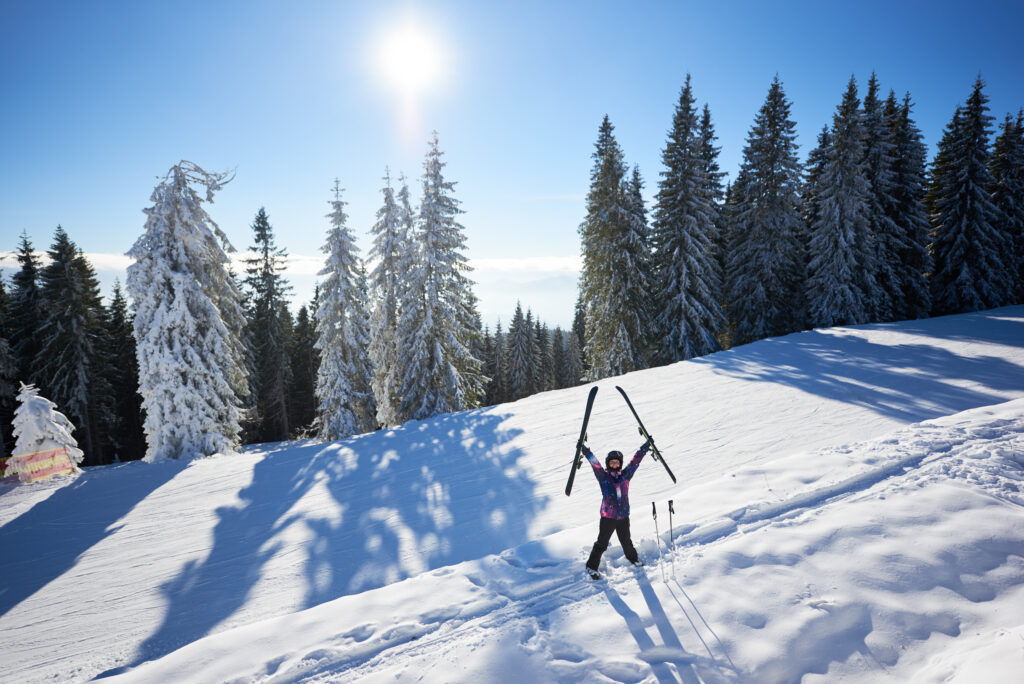
Latvia, a small yet charming country in the Baltic region, offers an array of skiing and snowboarding opportunities for winter sports enthusiasts. While it may not be the first destination that comes to mind for alpine sports, Latvia’s winter resorts and scenic landscapes provide a delightful experience for both beginners and seasoned adventurers. The country’s ski resorts are known for their family-friendly atmosphere, affordable prices, and a unique blend of Eastern European culture and traditions. Latvia’s winter sports scene is growing, with well-maintained slopes, modern facilities, and picturesque settings that make it an attractive destination for a winter getaway.Located in the northeastern part of Europe, Latvia is bordered by Estonia to the north, Lithuania to the south, Russia to the east, and the Baltic Sea to the west. This prime location gives it a climate suitable for winter sports, with cold and snowy winters that ensure good skiing conditions. The terrain is predominantly flat, but the rolling hills and river valleys provide a variety of slopes suitable for skiing and snowboarding. The country’s capital, Riga, is a cultural hub and the gateway to Latvia’s ski resorts, offering a mix of historical charm and modern amenities.Whether you’re looking to carve through powdery slopes, enjoy après-ski activities, or immerse yourself in the local culture, Latvia offers a memorable winter sports experience. With a welcoming atmosphere, stunning winter scenery, and a range of resorts to choose from, Latvia is a hidden gem in the world of skiing and snowboarding.
Latvia is strategically situated in the Baltic region of Northern Europe. It shares its borders with Estonia, Lithuania, Russia, and Belarus, and has a beautiful coastline along the Baltic Sea. The country’s landscape is characterized by low-lying plains, rolling hills, and an extensive network of rivers and lakes. This diverse geography provides a variety of terrains suitable for winter sports, from gentle slopes for beginners to more challenging runs for advanced skiers and snowboarders.The highest point in Latvia is Gaiziņkalns, standing at 312 meters (1,024 feet) above sea level. While not mountainous, the region offers a unique skiing experience, particularly for those who prefer less crowded and more intimate ski resorts. Latvia’s forests and nature reserves add to the scenic beauty, creating picturesque winter wonderlands perfect for outdoor activities.Riga, the capital city, is the main entry point for most visitors and is conveniently located near several ski resorts. The city’s blend of medieval architecture and vibrant modern culture makes it a great base for exploring Latvia’s winter sports offerings. From Riga, the resorts are easily accessible, ensuring that skiers and snowboarders can quickly get from urban comforts to the slopes.
The optimal time to visit Latvia for skiing and snowboarding is from December to March. During these months, the country experiences its winter season, with temperatures often dipping below freezing, ensuring consistent snowfall and excellent skiing conditions. January and February are typically the coldest months, providing the best snow cover for winter sports.Early December and late March are great times to visit for those who prefer fewer crowds and milder temperatures. While the snow conditions might be less predictable at the beginning and end of the season, the quieter slopes offer a more relaxed experience. Additionally, many resorts offer discounted rates during these off-peak times, making it a more affordable option.Latvia also hosts various winter festivals and events during the ski season, adding cultural richness to your trip. Christmas markets in Riga, winter sports competitions, and traditional celebrations provide a unique blend of activities that complement your skiing or snowboarding adventure.
For most visitors, entering Latvia is straightforward. Latvia is a member of the European Union and the Schengen Area, which means travelers from other EU and Schengen countries do not need a visa for stays up to 90 days. Visitors from the United States, Canada, Australia, and several other countries can also enter visa-free for up to 90 days within a 180-day period.If you do require a visa, it’s advisable to apply well in advance of your trip. The process typically involves providing proof of accommodation, travel insurance, sufficient funds for your stay, and a return or onward ticket. Check with the Latvian embassy or consulate in your country for the most up-to-date and specific requirements.Upon arrival, ensure that your passport is valid for at least three months beyond your planned departure date. Border control may ask about your travel plans and accommodations, so having these details handy can facilitate a smooth entry. It’s also a good idea to have your travel insurance documents readily accessible, as comprehensive coverage is highly recommended for skiing and snowboarding trips.
Riga International Airport (RIX) is the main gateway to Latvia, with numerous flights connecting it to major European cities and beyond. The airport is well-serviced by both full-service and low-cost airlines, making it easy to find flights that suit your schedule and budget. From the airport, the city center is just a short 20-minute drive away, and there are various transportation options, including taxis, buses, and car rentals.For those traveling from neighboring countries, Latvia is well-connected by road and rail. There are regular bus and train services from Estonia, Lithuania, and Russia, providing convenient and scenic travel options. Driving into Latvia is also a viable option, with well-maintained roads and clear signage making for a pleasant journey.Once in Riga, getting to the ski resorts is straightforward. Many resorts offer shuttle services from the capital, or you can rent a car for added flexibility. The country’s compact size means that most ski areas are within a two-hour drive from Riga, ensuring you can quickly transition from urban exploration to hitting the slopes.
Latvia boasts several ski resorts, each offering a unique experience for winter sports enthusiasts. One of the most popular destinations is Sigulda, often referred to as the “Switzerland of Latvia” due to its picturesque landscapes and excellent skiing facilities. Sigulda offers a range of slopes suitable for all skill levels, along with ski schools and equipment rentals, making it ideal for families and beginners.Another notable resort is Žagarkalns, located near the town of Cēsis. This resort is known for its well-groomed slopes, modern lifts, and a variety of runs that cater to both skiers and snowboarders. Žagarkalns also offers night skiing, adding an extra dimension to your winter sports experience. The resort’s cozy atmosphere and stunning surroundings make it a favorite among locals and tourists alike.Milzkalns, situated closer to the coast, is another excellent choice. It features a range of slopes and snow parks, making it a great destination for snowboarders and freestyle skiers. The resort also has a well-equipped rental shop and several dining options, ensuring a comfortable and enjoyable visit. Each of these resorts provides a unique flavor of Latvian winter sports, ensuring there’s something for everyone.
Most ski resorts in Latvia offer comprehensive equipment rental services, making it easy for visitors to access high-quality gear without the need to bring their own. Sigulda, Žagarkalns, and Milzkalns all have rental shops that provide skis, snowboards, boots, helmets, and other essential gear. The equipment is regularly maintained and available in a range of sizes, catering to both adults and children.In addition to rental shops at the resorts, there are several specialized ski and snowboard shops in Riga where you can rent or purchase equipment. These shops often have a wider selection of gear, including the latest models and brands, ensuring that you can find the perfect fit for your needs. Renting equipment in the city can also be more cost-effective and convenient, especially if you plan to visit multiple resorts during your stay.If you prefer to buy your own gear, Latvia has several sporting goods stores that stock a variety of winter sports equipment. Stores like Sportland and Xsports in Riga offer a range of options for skiers and snowboarders, from entry-level to high-end products. Whether you’re looking to rent or buy, Latvia provides plenty of options to ensure you’re well-equipped for the slopes.
For those seeking more adventurous skiing experiences, Latvia offers some excellent backcountry and off-piste opportunities. The Gauja National Park, near Sigulda, is a popular destination for backcountry skiing. The park’s diverse terrain, including forests, valleys, and rivers, provides a thrilling backdrop for exploring off the beaten path. Always ensure you have the necessary skills and equipment for backcountry skiing, including avalanche safety gear.The area around Cēsis also offers some great off-piste skiing. The rolling hills and forested areas provide a variety of challenging runs for experienced skiers and snowboarders. Local guides are available for hire and can show you the best routes while ensuring your safety. Guided tours are highly recommended, as they offer valuable insights into the terrain and conditions.It’s important to note that while backcountry skiing in Latvia can be exhilarating, it also comes with inherent risks. Always check the weather and snow conditions before heading out, and consider taking an avalanche safety course if you plan to venture off-piste. With proper preparation and respect for nature, Latvia’s backcountry can provide an unforgettable skiing adventure.
Latvia offers a range of accommodation options to suit every budget and preference. In Riga, you’ll find everything from luxury hotels to budget-friendly hostels, providing a comfortable base for your ski trip. Hotels like the Grand Hotel Kempinski and Hotel Bergs offer high-end amenities and convenient access to the city’s attractions and dining options.Near the ski resorts, there are several charming guesthouses and lodges that provide a cozy and convenient place to stay. In Sigulda, options like the Sigulda Hotel and Spa and the Good Stay Segevold Hotel offer comfortable rooms and easy access to the slopes. These accommodations often include amenities such as ski storage, on-site dining, and spa facilities to help you relax after a day on the slopes.For a more immersive experience, consider staying in a countryside cottage or a bed-and-breakfast near the resorts. These accommodations offer a unique blend of comfort and local charm, allowing you to experience Latvian hospitality firsthand. Options like the Karlamuiza Country Hotel near Cēsis provide a peaceful retreat with beautiful surroundings and easy access to skiing areas.
Latvia’s culinary scene offers a delightful mix of traditional and modern flavors. In Riga, you’ll find a wide range of dining options, from upscale restaurants to casual eateries. Traditional Latvian cuisine is hearty and flavorful, with dishes like grey peas with bacon, sauerkraut, and pork ribs being popular choices. Riga’s Central Market is a great place to sample local delicacies and fresh produce.Near the ski resorts, there are several charming restaurants and cafes that serve both local and international cuisine. In Sigulda, places like Aparjods and Kungu Rija offer delicious Latvian dishes in a cozy setting. These restaurants often use locally sourced ingredients, ensuring a fresh and authentic dining experience.For those looking for quick and convenient meals, many ski resorts have on-site dining options, including cafeterias and snack bars. These venues offer a range of options, from hearty soups and sandwiches to sweet treats like pastries and hot chocolate. Whether you’re looking for a fine dining experience or a quick bite, Latvia’s culinary offerings are sure to satisfy your appetite.
Getting around Latvia is relatively easy, thanks to its compact size and efficient transportation network. In Riga, public transportation options include buses, trams, and trolleybuses, providing convenient access to various parts of the city. Taxis and ride-sharing services like Bolt are also widely available and offer a comfortable way to travel around the city.To reach the ski resorts, renting a car is often the most convenient option. The roads are well-maintained, and driving gives you the flexibility to explore different areas at your own pace. Car rental services are available at Riga International Airport and throughout the city. Ensure you have an international driving permit if required, and familiarize yourself with local driving regulations.For those who prefer not to drive, many resorts offer shuttle services from Riga. These shuttles provide a hassle-free way to get to the slopes, allowing you to sit back and enjoy the scenic journey. Additionally, intercity buses and trains connect Riga with other towns and cities, making it easy to explore different parts of the country during your stay.
Getting around Latvia is relatively easy, thanks to its compact size and efficient transportation network. In Riga, public transportation options include buses, trams, and trolleybuses, providing convenient access to various parts of the city. Taxis and ride-sharing services like Bolt are also widely available and offer a comfortable way to travel around the city.To reach the ski resorts, renting a car is often the most convenient option. The roads are well-maintained, and driving gives you the flexibility to explore different areas at your own pace. Car rental services are available at Riga International Airport and throughout the city. Ensure you have an international driving permit if required, and familiarize yourself with local driving regulations.For those who prefer not to drive, many resorts offer shuttle services from Riga. These shuttles provide a hassle-free way to get to the slopes, allowing you to sit back and enjoy the scenic journey. Additionally, intercity buses and trains connect Riga with other towns and cities, making it easy to explore different parts of the country during your stay.
Latvia’s official currency is the euro (EUR), which is widely accepted throughout the country. ATMs are readily available in cities and towns, allowing you to withdraw cash as needed. Major credit and debit cards, including Visa and Mastercard, are widely accepted in hotels, restaurants, and shops. However, it’s always a good idea to carry some cash for smaller establishments or in rural areas where card payments might not be accepted.Currency exchange services are available at airports, banks, and exchange bureaus in major cities. It’s advisable to exchange some money upon arrival to cover initial expenses such as transportation and meals. Keep an eye on exchange rates and fees to ensure you get the best deal.When traveling in Latvia, it’s also important to be aware of tipping practices. While not mandatory, it is customary to leave a tip of around 10% in restaurants if you are satisfied with the service. For other services such as taxis and hotel staff, rounding up the fare or leaving a small tip is appreciated but not expected.
The official language of Latvia is Latvian, a unique Baltic language with no close relatives outside the region. While Latvian is the primary language spoken, many Latvians, especially in urban areas and tourist destinations, also speak English. This makes it relatively easy for English-speaking visitors to communicate and get around.In addition to English, Russian is also widely spoken, particularly among the older generation. Signage in tourist areas is often available in multiple languages, including English, making navigation straightforward. Learning a few basic phrases in Latvian, such as “hello” (sveiki) and “thank you” (paldies), can go a long way in enhancing your travel experience and showing respect for the local culture.Mobile connectivity is excellent throughout Latvia, and free Wi-Fi is widely available in hotels, restaurants, and public spaces. Consider purchasing a local SIM card or an international roaming plan to ensure you have access to data and communication services during your trip.
Latvia’s rich cultural heritage is evident in its architecture, traditions, and festivals. Riga, the capital, is a UNESCO World Heritage site known for its stunning Art Nouveau architecture and well-preserved medieval old town. The city offers a wealth of attractions, including museums, galleries, and historical sites such as the Riga Cathedral and the House of the Blackheads.Outside Riga, Latvia’s charming towns and natural landscapes provide plenty of opportunities for exploration. Sigulda, with its beautiful castles and Gauja National Park, is a must-visit for history and nature enthusiasts. The park is home to the impressive Turaida Castle and offers various outdoor activities such as hiking, bobsledding, and hot air ballooning.Latvia also hosts numerous cultural events and festivals throughout the year. Wintertime brings traditional celebrations such as the Winter Solstice festival, where locals gather to mark the longest night of the year with bonfires, singing, and traditional foods. These cultural experiences offer a unique insight into Latvian traditions and enhance your winter sports vacation.
Tourists in Latvia should be aware of several local laws and regulations to ensure a smooth and trouble-free visit. Carry a valid ID or passport at all times, as you may be required to present it for identification. Driving under the influence of alcohol is strictly prohibited, with a legal blood alcohol limit of 0.05%. Penalties for drunk driving are severe, including fines and possible imprisonment.Smoking is prohibited in indoor public places, including restaurants, bars, and public transportation. There are designated smoking areas outside these venues. It’s also illegal to smoke in certain outdoor public spaces, such as playgrounds and sports fields. Fines are imposed for violating smoking regulations, so it’s important to be aware of designated smoking areas.Drug use and possession are illegal in Latvia, with strict penalties for violations. Additionally, avoid taking photographs of military installations or other sensitive sites, as this is prohibited. Respecting these laws and regulations will help ensure a safe and enjoyable visit to Latvia.
Latvia is generally a safe destination for travelers, with low levels of crime and a welcoming atmosphere. However, it’s always wise to take standard precautions to ensure your safety. Keep an eye on your belongings, especially in crowded areas and public transportation. Avoid displaying valuable items openly, and use hotel safes to store important documents and valuables.In case of emergencies, Latvia has a reliable emergency response system. The general emergency number is 112, which connects you to police, fire, and medical services. In Riga, major hospitals and medical facilities provide high-quality care, and many doctors speak English. It’s recommended to have travel insurance that covers medical expenses and emergency evacuation.For minor health issues, pharmacies are widely available and well-stocked with over-the-counter medications. In case of lost or stolen passports, contact your embassy or consulate for assistance. Having copies of important documents and emergency contacts can help expedite the process and minimize disruptions to your trip.
Comprehensive health and travel insurance are essential when visiting Latvia, particularly for skiing and snowboarding activities. Ensure your insurance policy covers medical expenses, emergency evacuation, and winter sports, including skiing and snowboarding. This coverage is crucial in case of injuries or accidents on the slopes, as medical treatments and evacuations can be costly.Before your trip, check if your insurance policy includes coverage for pre-existing conditions and any specific activities you plan to undertake. Carry your insurance documents with you and ensure that you have access to your insurance provider’s contact information in case of emergencies. Some ski resorts may also offer additional insurance options at the time of equipment rental or lift pass purchase.Additionally, it’s a good idea to familiarize yourself with basic first aid and safety measures for winter sports. Wearing appropriate safety gear, such as helmets and protective clothing, can significantly reduce the risk of injury. By taking these precautions and ensuring adequate insurance coverage, you can enjoy a worry-free and exhilarating skiing or snowboarding experience in Latvia.