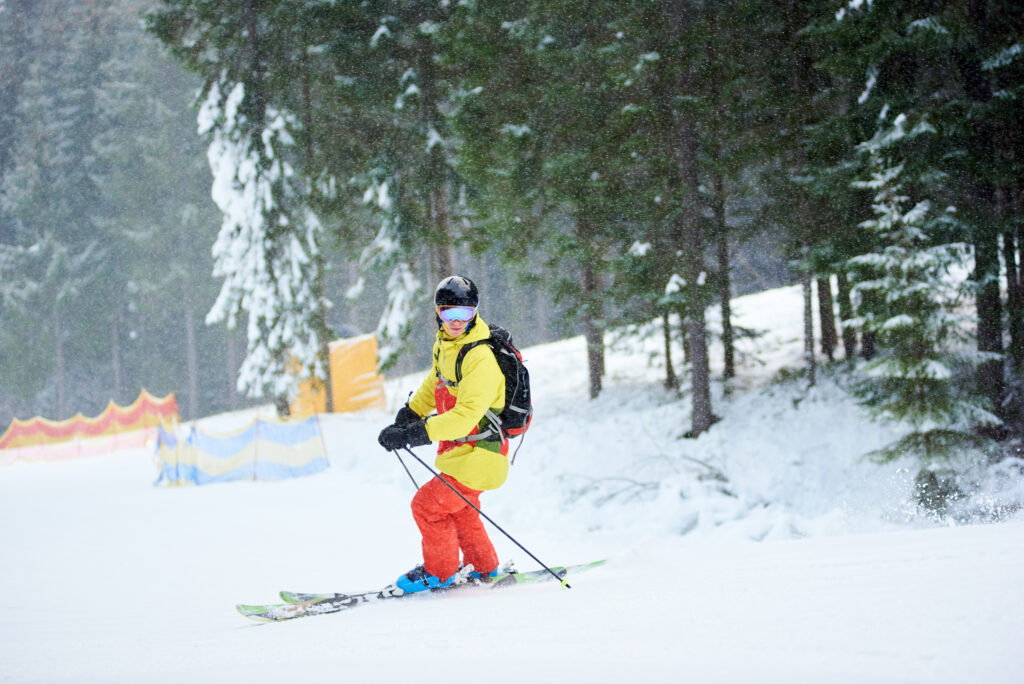
Morocco may not be the first destination that comes to mind for a ski and snowboard trip, but this North African country offers unique opportunities for winter sports enthusiasts. From the towering Atlas Mountains to the unique blend of Berber culture and French colonial influences, Morocco provides a skiing and snowboarding experience like no other. Picture yourself carving down the slopes with the sun shining and the backdrop of the Sahara Desert in the distance. This juxtaposition of snowy peaks and arid landscapes makes Morocco a hidden gem for those seeking adventure beyond the usual alpine resorts.
Morocco is located in North Africa, bordered by the Atlantic Ocean to the west and the Mediterranean Sea to the north. The Atlas Mountains stretch across the country, with the High Atlas range providing the best conditions for skiing and snowboarding. The tallest peak, Mount Toubkal, stands at 4,167 meters (13,671 feet), offering challenging terrains and spectacular views. The geography of the region is diverse, with lush valleys, rugged cliffs, and snow-capped mountains coexisting with desert dunes and ancient cities.The main skiing areas are concentrated in the High Atlas Mountains, with Oukaïmeden being the most popular resort. Situated about 80 km (50 miles) south of Marrakech, it is easily accessible for visitors. The mountain ranges experience a variety of weather patterns, with snow typically falling between December and April. The varying altitudes and terrains provide options for skiers and snowboarders of all levels, from beginners to advanced adventurers.
The prime skiing season in Morocco runs from late December to early April. During this period, the High Atlas Mountains receive sufficient snowfall to create excellent skiing and snowboarding conditions. January and February are particularly ideal months, with the heaviest snowfalls and the most reliable snowpack. These months also tend to offer the best weather, with plenty of sunny days and cool, crisp nights.Outside the peak months, March and April still provide good skiing opportunities, especially at higher elevations. However, the snow can become slushier as temperatures rise. Springtime in the mountains offers a unique experience, with the chance to ski in the morning and explore the blossoming valleys and ancient sites in the afternoon. For those looking to avoid the busiest periods, early December can be a good choice, though snow conditions can be less predictable.
Travelers to Morocco typically require a valid passport with at least six months’ validity from the date of entry. Citizens of many countries, including the United States, Canada, the United Kingdom, and most European Union countries, can enter Morocco visa-free for stays up to 90 days. It is important to check specific visa requirements based on your nationality before planning your trip, as regulations can change.Upon arrival, you will need to complete an entry form, which is usually distributed on the flight or available at the airport. Ensure you have the address of your accommodation handy, as it is required on the form. For longer stays or different types of travel purposes, such as work or study, a visa application may be necessary, which should be arranged through a Moroccan consulate or embassy before departure.
Morocco is well-connected to major international cities via several airports, with the primary gateways being Mohammed V International Airport in Casablanca and Marrakech Menara Airport. Direct flights are available from North America, Europe, and the Middle East, making it relatively easy to reach. Budget airlines also operate within Europe, offering affordable options for travelers.Once in Morocco, reaching the ski resorts in the Atlas Mountains typically involves traveling through Marrakech. From Marrakech, you can rent a car, hire a private transfer, or take a bus or taxi to Oukaïmeden or other ski areas. The drive to Oukaïmeden from Marrakech takes about two hours, with the route offering scenic views of the mountains and rural landscapes.
Oukaïmeden is Morocco’s premier ski resort, boasting the highest ski lift in Africa, which ascends to an altitude of 3,258 meters (10,689 feet). The resort offers a variety of runs catering to different skill levels, with slopes that range from gentle beginner trails to more challenging descents for experienced skiers and snowboarders. The facilities include a ski school, rental shops, and several eateries.Another notable resort is Michlifen, located in the Middle Atlas Mountains near the city of Ifrane. Known as “Little Switzerland” due to its alpine-style architecture and snowy winters, Michlifen offers a smaller but charming skiing experience. It is an excellent destination for families and those seeking a more relaxed atmosphere. The resort features a handful of slopes and is well-suited for beginners and intermediate skiers.
Ski and snowboard equipment can be rented at the major resorts, with Oukaïmeden offering several rental shops at the base of the slopes. These shops provide a range of gear, including skis, snowboards, boots, and helmets. Prices are generally reasonable, though it is advisable to inspect the equipment for quality and fit before renting.For those who prefer to bring their own gear, many international airlines allow ski and snowboard equipment as part of their standard baggage allowance, though it is wise to check the airline’s specific policies in advance. Additionally, Marrakech has several outdoor and sporting goods stores where you can purchase or rent equipment if needed.
Morocco’s Atlas Mountains offer excellent opportunities for backcountry and off-piste skiing. The vast, untamed terrain provides an exhilarating experience for advanced skiers and snowboarders. Hiring a local guide is highly recommended, as they possess invaluable knowledge of the area and can ensure your safety. Guides can be arranged through local tour companies or directly at the ski resorts.The Toubkal National Park, encompassing Mount Toubkal and its surrounding peaks, is a popular destination for backcountry adventures. The routes vary in difficulty, with some requiring technical skills and equipment. It is essential to be well-prepared and equipped for changing weather conditions and potential avalanches. Always check the latest avalanche forecasts and ensure you have the necessary safety gear, such as a transceiver, probe, and shovel.
Accommodation options near the ski resorts range from budget-friendly lodges to luxurious hotels. In Oukaïmeden, visitors can find several small hotels and guesthouses offering cozy rooms and basic amenities. For a more immersive experience, consider staying in a traditional Berber guesthouse, which often includes meals and provides a glimpse into local life.Marrakech, just a short drive from the slopes, offers a wider array of accommodations, from affordable hostels to five-star resorts. Staying in Marrakech allows you to combine your skiing adventure with exploring the city’s vibrant markets, historic sites, and exquisite cuisine. Many hotels in Marrakech can arrange transportation to the ski resorts, making it a convenient base for your trip.
Moroccan cuisine is renowned for its rich flavors and aromatic spices, and your ski trip provides the perfect opportunity to savor these culinary delights. At the ski resorts, you will find a variety of dining options, from casual cafes serving hot drinks and snacks to restaurants offering traditional Moroccan dishes such as tagine, couscous, and harira soup.In Marrakech, the dining scene is even more diverse, with countless restaurants, food stalls, and cafes to choose from. Don’t miss the chance to dine in a traditional riad, where you can enjoy an authentic Moroccan meal in a beautifully decorated courtyard. Street food is also a highlight, with tempting offerings such as freshly baked bread, grilled meats, and sweet pastries.
Getting around Morocco is relatively straightforward, with several options available. For travel between cities, trains and buses are the most common and economical modes of transportation. The train network connects major cities such as Casablanca, Rabat, Marrakech, and Fez, offering comfortable and efficient services. Buses operate on both local and long-distance routes, with several companies providing reliable services.For reaching the ski resorts, renting a car offers the most flexibility and convenience. Roads to the main ski areas are generally in good condition, though winter weather can sometimes make driving challenging. Alternatively, private transfers and taxis are available and can be arranged through your accommodation or local travel agencies. In cities, petit taxis and grand taxis are common for short trips and intercity travel, respectively.
Getting around Morocco is relatively straightforward, with several options available. For travel between cities, trains and buses are the most common and economical modes of transportation. The train network connects major cities such as Casablanca, Rabat, Marrakech, and Fez, offering comfortable and efficient services. Buses operate on both local and long-distance routes, with several companies providing reliable services.For reaching the ski resorts, renting a car offers the most flexibility and convenience. Roads to the main ski areas are generally in good condition, though winter weather can sometimes make driving challenging. Alternatively, private transfers and taxis are available and can be arranged through your accommodation or local travel agencies. In cities, petit taxis and grand taxis are common for short trips and intercity travel, respectively.
The official currency of Morocco is the Moroccan dirham (MAD). ATMs are widely available in cities and towns, allowing you to withdraw cash using international debit or credit cards. It is advisable to carry some cash, especially when traveling to more remote areas, as card payment facilities may be limited. Exchange bureaus and banks also offer currency exchange services.Credit and debit cards are accepted in most hotels, restaurants, and larger shops in cities. However, smaller establishments, markets, and rural areas may only accept cash. It is always a good idea to have some smaller denominations on hand for tipping and minor purchases.
The official languages of Morocco are Arabic and Amazigh (Berber), but French is also widely spoken, particularly in business and tourism settings. English is increasingly understood, especially in tourist areas, though a basic knowledge of French or Arabic can be helpful. Learning a few basic phrases in Arabic, such as greetings and polite expressions, can go a long way in enhancing your interactions with locals.Most signs, menus, and official documents are available in both Arabic and French. In larger cities and popular tourist destinations, you will find that many people working in the hospitality industry speak some English. Mobile phone coverage is generally good, and Wi-Fi is available in most hotels, cafes, and restaurants.
Morocco is a country rich in history and culture, offering numerous attractions for visitors. In addition to skiing, you can explore the vibrant cities of Marrakech, Fez, and Casablanca, each boasting unique architectural and cultural highlights. The medinas, or old quarters, of these cities are UNESCO World Heritage sites, with winding alleys, bustling markets, and stunning palaces and mosques.Outside the cities, the Atlas Mountains and Sahara Desert provide opportunities for outdoor adventures such as hiking, camel trekking, and visiting traditional Berber villages. The coastal towns of Essaouira and Agadir offer beautiful beaches and a more relaxed atmosphere, perfect for unwinding after days on the slopes.
Tourists should be aware of and respect local laws and regulations while visiting Morocco. It is illegal to possess or use drugs, and penalties for drug-related offenses are severe. Drinking alcohol is legal in licensed establishments, but public drunkenness is not tolerated. During the holy month of Ramadan, it is respectful to avoid eating, drinking, or smoking in public during daylight hours.Morocco has strict laws regarding the protection of its cultural heritage, and it is illegal to export items of historical or cultural significance without proper authorization. When shopping for souvenirs, ensure that you are purchasing from reputable sources and not contributing to the illicit trade of antiquities.
Morocco is generally considered a safe destination for tourists, but it is always wise to take precautions. Be aware of your surroundings, particularly in crowded areas such as markets and public transport, as petty theft can occur. Use hotel safes for valuables and avoid displaying large amounts of cash or expensive items.For emergencies, dial 19 for police assistance, 15 for medical emergencies, and 15 for fire services. Most cities and larger towns have hospitals and clinics that can provide medical care. It is advisable to have comprehensive travel insurance that covers medical expenses, including evacuation if necessary.
Before traveling to Morocco, ensure that your vaccinations are up-to-date, including routine vaccines such as measles, mumps, and rubella (MMR), as well as hepatitis A and B, typhoid, and rabies if you plan to engage in outdoor activities. It is also recommended to carry a basic first aid kit and any prescription medications you may need.Travel insurance is essential for covering medical emergencies, trip cancellations, and lost belongings. Verify that your insurance policy includes coverage for skiing and snowboarding, as these activities are sometimes classified as higher-risk. Having adequate insurance will provide peace of mind and ensure that you are protected during your ski adventure in Morocco.