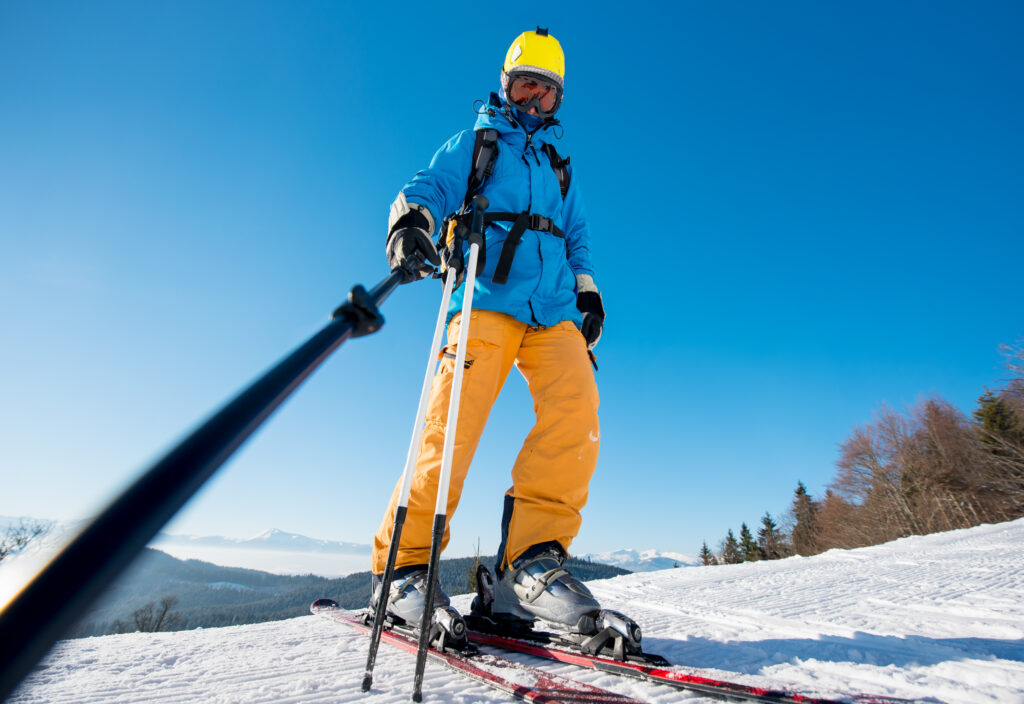
New Zealand offers some of the Southern Hemisphere’s most stunning ski and snowboard experiences, drawing enthusiasts from around the globe. With its varied terrain, modern facilities, and breathtaking scenery, this island nation promises an unforgettable winter sports adventure. From the dramatic peaks of the Southern Alps to the welcoming local culture, New Zealand is a paradise for winter sports enthusiasts. Whether you are a beginner looking for gentle slopes or an expert seeking thrilling backcountry runs, New Zealand’s ski resorts cater to all levels. This guide will help you navigate the best of New Zealand’s winter sports offerings, providing essential information to ensure your trip is seamless and enjoyable.
New Zealand is located in the southwestern Pacific Ocean, consisting of two main islands: the North Island and the South Island, along with numerous smaller islands. The country is known for its diverse landscapes, from rolling hills and lush forests to dramatic mountains and pristine lakes. The Southern Alps, running along the South Island, are home to the majority of New Zealand’s ski resorts. The North Island, while less mountainous, also offers unique skiing experiences on volcanic peaks such as Mount Ruapehu.The South Island’s mountainous terrain provides excellent conditions for skiing and snowboarding, with resorts like Queenstown and Wanaka being particularly popular. The region’s geography ensures reliable snowfall and a range of terrains, from groomed runs to challenging off-piste areas. The North Island’s ski fields, located on active volcanoes, offer a different kind of adventure, with the possibility of skiing amidst volcanic steam vents and rugged landscapes.New Zealand’s varied geography means that you can experience a range of climates within a short distance. This diversity makes it possible to combine skiing with other activities, such as hiking, fishing, or even surfing, all within the same trip. The country’s compact size and well-developed infrastructure make it easy to travel between different regions, allowing you to explore multiple ski areas in one visit.
The best time to visit New Zealand for skiing and snowboarding is during the winter season, which runs from June to October. The peak months are July and August, when the snow conditions are at their best and the resorts are fully operational. During this period, you can expect consistent snowfall, well-groomed slopes, and a vibrant après-ski scene. The Southern Alps receive ample snow, ensuring excellent coverage across the major ski resorts.If you prefer fewer crowds and potentially better deals on accommodation and lift tickets, consider visiting in June or September. Early in the season, you may find fewer people on the slopes, allowing for a more relaxed experience. Similarly, late in the season can offer great spring skiing conditions, with longer daylight hours and softer snow. However, it’s important to check the snow reports and resort operations as the season progresses to ensure good skiing conditions.The shoulder season months of May and October can also be worth considering, especially if you’re interested in combining skiing with other outdoor activities. In May, you might catch the first snowfalls and enjoy quieter resorts. October, on the other hand, can offer a unique experience of skiing in the morning and exploring the countryside in the afternoon. New Zealand’s varied weather patterns mean that conditions can change rapidly, so it’s always wise to stay flexible with your travel plans.
Visitors to New Zealand from many countries, including the United States, Canada, the United Kingdom, and most European nations, can enter the country for up to 90 days without a visa, provided they hold a valid passport and a return or onward ticket. However, you will need to obtain a New Zealand Electronic Travel Authority (NZeTA) before your trip. The NZeTA can be easily applied for online or through a mobile app and is usually processed within a few days.For longer stays or for travelers from countries that do not have visa waiver agreements with New Zealand, a visitor visa is required. This visa allows you to stay in New Zealand for up to nine months and can be applied for online through the Immigration New Zealand website. Ensure your passport is valid for at least three months beyond your planned departure date from New Zealand. It’s also recommended to have proof of sufficient funds to cover your stay and travel insurance.When entering New Zealand, be prepared for biosecurity checks at the airport. The country has strict regulations to protect its unique ecosystem, so you must declare any food, outdoor equipment, or other items that may pose a biosecurity risk. Clean your ski and snowboard equipment thoroughly before traveling to avoid delays at customs. Additionally, carrying a copy of your accommodation and travel itinerary can be helpful for smooth entry into the country.
Reaching New Zealand typically involves a long-haul flight, especially for travelers from Europe and North America. The country’s primary international gateways are Auckland Airport (AKL) on the North Island and Christchurch Airport (CHC) on the South Island. Direct flights are available from major cities in Australia, Asia, and the Pacific region. From the United States and Europe, most flights will have a layover in a major hub such as Los Angeles, Dubai, or Singapore before continuing to New Zealand.Once you arrive in New Zealand, domestic flights are the most efficient way to travel between the North and South Islands. Air New Zealand and other regional airlines operate frequent flights connecting Auckland, Wellington, and Christchurch with Queenstown, Dunedin, and other key destinations. If you plan to ski on both islands, consider flying into one of the main international airports and then taking a domestic flight to your preferred ski destination.For a more scenic route, consider traveling by ferry between the North and South Islands. The Interislander and Bluebridge ferries operate regular services across the Cook Strait, connecting Wellington on the North Island with Picton on the South Island. This journey offers stunning views and a unique way to experience New Zealand’s coastal beauty. Whether you choose to fly or take the ferry, ensure you book your travel in advance, especially during the peak winter months.
New Zealand boasts a variety of ski and snowboard resorts catering to all skill levels and preferences. On the South Island, Queenstown and Wanaka are home to some of the country’s most popular resorts, including Coronet Peak, The Remarkables, Cardrona, and Treble Cone. These resorts offer a mix of well-groomed runs, challenging off-piste terrain, and modern facilities. Queenstown, known as the adventure capital of New Zealand, provides a vibrant après-ski scene, with numerous bars, restaurants, and entertainment options.Further north on the South Island, Mount Hutt near Christchurch is renowned for its reliable snowfall and wide-open terrain. This resort is ideal for families and intermediate skiers, offering a range of runs and excellent facilities. For those seeking a more rugged experience, the club fields such as Craigieburn and Broken River provide a unique, laid-back atmosphere with minimal crowds and fantastic off-piste opportunities. These smaller, community-run fields are perfect for advanced skiers and snowboarders looking for a more adventurous experience.On the North Island, Mount Ruapehu is the main ski destination, featuring two major ski areas: Whakapapa and Turoa. These ski fields are located on an active volcano, providing a dramatic backdrop for your skiing and snowboarding adventures. Both Whakapapa and Turoa offer a variety of terrain, from beginner slopes to challenging black runs, and are known for their extensive lift systems and facilities. The volcanic landscape adds an extra element of excitement to your skiing experience, with steam vents and rugged terrain creating a unique environment.
New Zealand’s ski resorts and nearby towns are well-equipped with rental shops offering a wide range of skiing and snowboarding gear. Whether you’re a beginner needing a full set of equipment or an advanced skier looking to rent high-performance gear, you’ll find everything you need. Major rental shops are available in Queenstown, Wanaka, and other popular ski destinations, with options for daily or weekly rentals. It is advisable to book your rentals in advance, especially during the peak winter season, to ensure availability and the best rates.In addition to rental shops at the resorts, many towns have specialized stores where you can purchase or rent equipment. These stores often carry a broad selection of brands and models, catering to all levels of skiers and snowboarders. If you prefer to travel light, renting your gear on arrival is a convenient option. Shops like Snowcentre, Torpedo7, and Outside Sports in Queenstown and Wanaka are popular choices for both rentals and purchases.For those who prefer to bring their own equipment, most airlines flying to New Zealand allow ski and snowboard gear as part of your checked baggage, though it’s essential to check the specific airline’s policy on sports equipment. If you bring your own gear, ensure it is properly serviced before your trip, and consider using a hard case for extra protection during transit. Many rental shops also offer repair and tuning services, so you can keep your equipment in top condition throughout your stay.
New Zealand is renowned for its backcountry and off-piste skiing opportunities, offering adventurous skiers and snowboarders the chance to explore untracked terrain and pristine snow. The South Island’s Southern Alps are a hotspot for backcountry enthusiasts, with areas around Queenstown, Wanaka, and Methven providing access to vast alpine terrain. Guided tours and heli-skiing operations are available for those looking to venture into the backcountry safely, with companies like Harris Mountains Heli-Ski and Southern Lakes Heliski offering tailored experiences for all skill levels.Safety is paramount when skiing in the backcountry, and it’s essential to be well-prepared and equipped. Avalanche risk is a significant concern, so carrying the necessary safety gear, including a beacon, shovel, and probe, is crucial. Many resorts offer backcountry training and avalanche awareness courses, which are highly recommended for anyone planning to ski off-piste. These courses provide valuable knowledge on assessing snow conditions, using safety equipment, and making informed decisions in the backcountry.The North Island also offers unique backcountry experiences, particularly on Mount Ruapehu. The volcanic terrain adds an extra layer of excitement, with challenging routes and stunning views. Local guides can lead you to some of the best off-piste areas, ensuring you make the most of the mountain’s diverse terrain. Whether you’re on the North or South Island, always check the latest weather and avalanche reports before heading into the backcountry, and consider hiring a guide if you’re unfamiliar with the area.
New Zealand offers a wide range of accommodation options to suit all budgets and preferences, from luxury hotels and lodges to budget-friendly hostels and holiday parks. In popular ski destinations like Queenstown and Wanaka, you’ll find numerous hotels, motels, and serviced apartments providing comfortable and convenient stays close to the slopes. For a more upscale experience, consider booking a stay at one of the region’s luxury lodges, which offer exceptional service, gourmet dining, and stunning views of the surrounding mountains.If you’re looking for a more social atmosphere or traveling on a budget, hostels and backpacker lodges are abundant in ski towns. These accommodations often provide communal kitchens, shared living spaces, and opportunities to meet other travelers. Holiday parks and campgrounds are also a popular choice, especially for families and groups. Many holiday parks offer self-contained cabins, powered campervan sites, and various amenities, including communal kitchens, laundry facilities, and recreational areas.For a unique and immersive experience, consider staying at one of New Zealand’s many ski-in, ski-out accommodations. These lodges and chalets are located on or near the slopes, allowing for easy access to the ski fields. Some resorts, like Cardrona and Mount Hutt, have on-mountain accommodation options that let you maximize your time on the snow. Booking well in advance is recommended, especially during the peak winter season, to secure your preferred accommodation and take advantage of early booking discounts.
New Zealand’s dining scene is diverse and vibrant, offering a range of culinary experiences to suit all tastes and budgets. In ski towns like Queenstown and Wanaka, you’ll find an array of restaurants, cafes, and bars serving everything from fine dining to casual fare. The local cuisine often features fresh, seasonal ingredients, with an emphasis on high-quality meats, seafood, and produce. Be sure to try some of New Zealand’s iconic dishes, such as lamb, green-lipped mussels, and pavlova, a traditional dessert.For a more relaxed dining experience, numerous cafes and bistros offer hearty meals perfect for refueling after a day on the slopes. Many ski resorts also have on-mountain dining options, including cafes, restaurants, and bars where you can enjoy a meal or a drink with stunning views of the surrounding mountains. Whether you’re looking for a quick snack or a leisurely lunch, these on-mountain venues provide convenient and scenic dining options.Après-ski culture is an integral part of the New Zealand ski experience, with plenty of bars and pubs offering lively atmospheres and entertainment. In Queenstown, you’ll find a vibrant nightlife scene with numerous bars and clubs where you can unwind and socialize. Wanaka and other ski towns also offer a range of après-ski options, from cozy pubs to trendy cocktail bars. Many establishments feature live music, DJs, and other entertainment, ensuring a fun and memorable evening after a day on the slopes.
Getting around New Zealand is relatively straightforward, with a well-developed network of roads, domestic flights, and public transportation options. For the most flexibility and convenience, renting a car is recommended, especially if you plan to visit multiple ski resorts or explore different regions. Car rental companies are available at major airports and in key towns, offering a range of vehicles to suit your needs. Ensure you are familiar with New Zealand’s driving laws and conditions, as some roads can be narrow and winding, particularly in mountainous areas.Domestic flights are a quick and efficient way to travel between the North and South Islands or to reach more distant regions. Air New Zealand and other regional airlines operate frequent flights connecting major cities and popular ski destinations. If you prefer not to drive, shuttle services and buses are available to transport you between airports, towns, and ski resorts. Many ski resorts also offer shuttle services from nearby towns, providing a convenient option for getting to the slopes without the hassle of driving.Public transportation options include buses and trains, with services connecting major cities and tourist destinations. While trains are less common, scenic rail journeys such as the TranzAlpine, which runs between Christchurch and Greymouth, offer a unique way to see the country. Buses are more widely available and can be a cost-effective way to travel between towns and cities. However, keep in mind that public transportation schedules may be less frequent in rural and remote areas, so planning your travel in advance is essential.
Getting around New Zealand is relatively straightforward, with a well-developed network of roads, domestic flights, and public transportation options. For the most flexibility and convenience, renting a car is recommended, especially if you plan to visit multiple ski resorts or explore different regions. Car rental companies are available at major airports and in key towns, offering a range of vehicles to suit your needs. Ensure you are familiar with New Zealand’s driving laws and conditions, as some roads can be narrow and winding, particularly in mountainous areas.Domestic flights are a quick and efficient way to travel between the North and South Islands or to reach more distant regions. Air New Zealand and other regional airlines operate frequent flights connecting major cities and popular ski destinations. If you prefer not to drive, shuttle services and buses are available to transport you between airports, towns, and ski resorts. Many ski resorts also offer shuttle services from nearby towns, providing a convenient option for getting to the slopes without the hassle of driving.Public transportation options include buses and trains, with services connecting major cities and tourist destinations. While trains are less common, scenic rail journeys such as the TranzAlpine, which runs between Christchurch and Greymouth, offer a unique way to see the country. Buses are more widely available and can be a cost-effective way to travel between towns and cities. However, keep in mind that public transportation schedules may be less frequent in rural and remote areas, so planning your travel in advance is essential.
The official currency of New Zealand is the New Zealand Dollar (NZD). It is advisable to carry some cash, especially when visiting smaller towns or rural areas where card payments may not be as widely accepted. ATMs are readily available in cities, towns, and at most ski resorts, allowing you to withdraw cash as needed. Credit and debit cards are widely accepted, with Visa and Mastercard being the most commonly used. American Express is also accepted at some establishments but may not be as widely accepted as the other major cards.Contactless payment methods, such as PayWave and Apple Pay, are increasingly popular in New Zealand, making transactions quick and convenient. When paying by card, you may be asked to enter your PIN or sign a receipt. It’s a good idea to inform your bank of your travel plans to avoid any issues with card transactions while abroad. Additionally, some banks may charge foreign transaction fees, so check with your bank before traveling to understand any potential charges.Currency exchange services are available at airports, banks, and currency exchange bureaus in major cities and tourist areas. While exchange rates at airports may not be as favorable, they can be convenient for obtaining local currency upon arrival. Banks and dedicated currency exchange offices typically offer better rates. To avoid carrying large amounts of cash, consider using a travel money card or a credit card with no foreign transaction fees, which can be a safer and more convenient option for managing your money while traveling.
English is the predominant language spoken in New Zealand, making communication easy for most international visitors. The country is known for its friendly and welcoming locals, who are generally happy to assist tourists. In addition to English, Maori is an official language of New Zealand, reflecting the country’s indigenous heritage. While you are unlikely to encounter many situations where Maori is the primary language used, you may hear it in cultural contexts or see it in place names and signage.When it comes to staying connected, New Zealand has a well-developed telecommunications infrastructure, with widespread coverage of mobile networks. Major mobile providers include Spark, Vodafone, and 2degrees, all of which offer prepaid SIM cards that can be easily purchased at airports, convenience stores, and mobile phone shops. If you plan to use your mobile phone extensively, consider purchasing a local SIM card or an international roaming plan to avoid high roaming charges.Wi-Fi is widely available in New Zealand, with most hotels, cafes, restaurants, and public spaces offering free or paid access. In more remote areas, internet connectivity may be less reliable, so plan accordingly if you need to stay connected. Many ski resorts also offer Wi-Fi, allowing you to check weather conditions, snow reports, and stay in touch with friends and family. Using communication apps like WhatsApp, Skype, or Zoom can be a convenient way to keep in touch while traveling, especially if you have access to Wi-Fi.
New Zealand’s rich cultural heritage and stunning natural landscapes offer plenty of attractions and activities to enjoy when you’re not on the slopes. The Maori culture is an integral part of New Zealand’s identity, and visitors have the opportunity to experience traditional Maori performances, art, and cuisine. Rotorua, on the North Island, is a significant cultural center where you can learn about Maori history and traditions through cultural shows, guided tours, and visits to geothermal parks.For those interested in outdoor activities beyond skiing and snowboarding, New Zealand is a paradise for adventure sports. Queenstown, known as the adventure capital of the world, offers activities such as bungee jumping, jet boating, and skydiving. The country’s diverse landscapes also provide excellent opportunities for hiking, with famous trails like the Milford Track, Routeburn Track, and Tongariro Alpine Crossing offering breathtaking scenery and challenging routes.If you prefer a more relaxed pace, New Zealand’s cities and towns offer plenty of attractions to explore. Auckland, the largest city, boasts a vibrant arts and dining scene, with numerous museums, galleries, and restaurants. Wellington, the capital city, is known for its cultural institutions, including the Te Papa Museum, which offers insights into New Zealand’s history and culture. On the South Island, cities like Christchurch and Dunedin combine historical charm with modern amenities, making them great places to explore between ski sessions.
New Zealand has a robust legal framework designed to ensure the safety and well-being of its residents and visitors. Understanding and adhering to local laws and regulations is essential for a smooth and trouble-free visit. The legal drinking age is 18, and identification may be required when purchasing alcohol. Drink-driving laws are strict, with low blood alcohol limits for drivers, so it’s best to avoid driving if you have consumed any alcohol. Smoking is prohibited in all indoor public places, including bars, restaurants, and hotels.Drug laws in New Zealand are strict, with severe penalties for possession, use, or trafficking of illegal substances. Even small amounts of drugs can lead to significant legal consequences, so it is crucial to avoid any involvement with illegal substances during your visit. Prescription medications should be carried in their original packaging with a copy of the prescription to avoid any issues at customs. It is also advisable to familiarize yourself with the local regulations regarding the use and possession of certain over-the-counter medications.When engaging in outdoor activities, such as skiing or hiking, adhering to safety regulations and guidelines is essential. Always follow resort rules, respect closed areas, and heed any warnings or instructions from ski patrols. Wearing appropriate safety gear, such as helmets, is highly recommended. If you plan to venture into the backcountry, ensure you have the necessary skills, equipment, and knowledge to do so safely. Checking weather and avalanche reports regularly and informing someone of your plans can help prevent accidents and ensure a safe and enjoyable experience.
New Zealand is generally considered a safe destination for travelers, but it’s important to take common-sense precautions to ensure your safety. When skiing or snowboarding, always wear appropriate safety gear, including a helmet, and stay within marked boundaries. Follow resort guidelines and pay attention to weather conditions, as they can change rapidly in alpine environments. If you plan to ski in the backcountry, ensure you have the necessary skills, equipment, and knowledge to do so safely.In case of an emergency, dial 111 for police, fire, or ambulance services. Most ski resorts have dedicated ski patrol teams trained to handle medical emergencies and other incidents on the slopes. Familiarize yourself with the location of medical facilities at the resort and carry a mobile phone with emergency contact numbers programmed in. Travel insurance that covers winter sports is highly recommended, as it can provide coverage for accidents, medical emergencies, and other unforeseen events.For general safety, keep an eye on your belongings and be cautious in crowded areas, particularly in larger cities. New Zealand’s natural beauty can pose risks, so always follow safety guidelines when participating in outdoor activities. If you’re hiking, let someone know your plans and expected return time, and carry sufficient supplies and equipment for the conditions. Respecting the environment and adhering to local regulations will help ensure a safe and enjoyable trip.
Ensuring you have adequate health and travel insurance is crucial when planning a ski or snowboard trip to New Zealand. While the country has a high standard of healthcare, medical treatment can be expensive for international visitors. Comprehensive travel insurance should cover medical emergencies, including hospitalization, treatment, and medical evacuation if necessary. Additionally, it’s important to have coverage for winter sports, as standard travel insurance policies may not include activities like skiing and snowboarding.Before your trip, check with your insurance provider to understand the extent of your coverage and any exclusions or limitations. Ensure that your policy covers all planned activities, including backcountry skiing if you intend to venture off-piste. Carry a copy of your insurance policy and emergency contact numbers with you at all times. In the event of an accident or medical emergency, having this information readily available can expedite the process of receiving care and filing claims.In addition to insurance, consider taking basic health precautions, such as ensuring you are up to date on routine vaccinations. If you have any pre-existing medical conditions, carry a sufficient supply of medications and a copy of your prescription. New Zealand’s healthcare facilities are generally of a high standard, but access to medical care can be limited in remote areas. Being prepared and having the right insurance coverage will provide peace of mind and help ensure a safe and enjoyable ski trip.