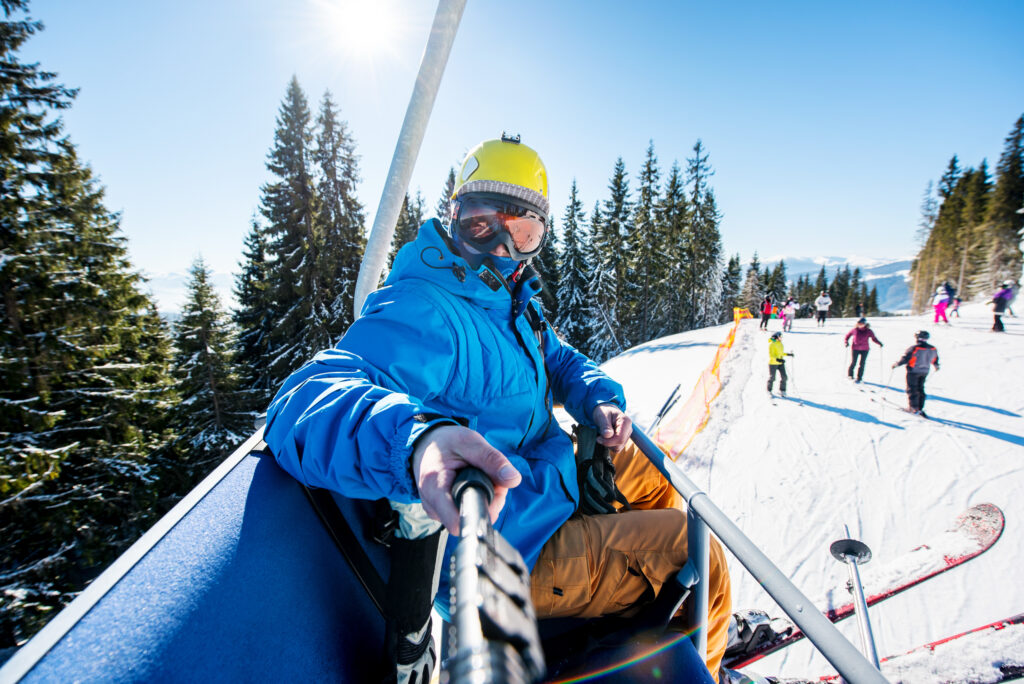
Pakistan may not be the first destination that comes to mind when thinking of skiing and snowboarding, but it is a hidden gem for winter sports enthusiasts. The country’s diverse geography, from the towering peaks of the Karakoram and Hindu Kush ranges to the more accessible slopes in the north, offers a unique and thrilling experience. With an increasing number of international visitors and a growing infrastructure to support winter sports, Pakistan is emerging as a notable destination for those seeking adventure on the slopes. This guide aims to provide comprehensive information to help you plan your ski or snowboard trip to Pakistan.
Pakistan is located in South Asia, bordered by India, China, Afghanistan, and Iran. The country’s northern regions are dominated by some of the world’s highest mountain ranges, including the Karakoram, Hindu Kush, and Himalayas. These mountains provide stunning backdrops and challenging terrains for winter sports. The Karakoram Range is home to K2, the second-highest peak in the world, and numerous other peaks that attract mountaineers and extreme sports enthusiasts from around the globe.The northern areas, including Gilgit-Baltistan and Khyber Pakhtunkhwa, are the primary regions for skiing and snowboarding. These areas feature diverse terrain, from steep, technical slopes to more beginner-friendly areas. The elevation varies significantly, providing a range of options for different skill levels. The geography also ensures that the region receives ample snowfall, creating ideal conditions for winter sports.Access to these mountainous regions is relatively straightforward, with several cities and towns serving as gateways to the slopes. Gilgit and Skardu are key entry points, offering access to some of the most popular skiing areas. The geography of Pakistan’s northern regions ensures that winter sports enthusiasts will find a variety of terrains to explore and enjoy.
The best time to visit Pakistan for skiing and snowboarding is during the winter months, from December to March. This period typically sees the most consistent snowfall, providing excellent conditions for winter sports. The temperatures during this time range from -10°C to 5°C (14°F to 41°F), making it ideal for snow activities.Early December marks the beginning of the ski season, with fresh powder and fewer crowds, making it a great time for those who prefer quieter slopes. January and February are peak months, offering the best snow conditions and a lively atmosphere with various events and activities. These months are perfect for both beginners and advanced skiers and snowboarders.March sees a gradual warming, but the higher elevations still maintain good snow cover. This is an excellent time for those looking to enjoy spring skiing with longer daylight hours and slightly warmer temperatures. The overall experience during this period can be quite pleasant, with fewer tourists compared to the peak months.
Visitors to Pakistan require a visa, which can be obtained through an online e-visa system or by applying at a Pakistani embassy or consulate. The e-visa process is straightforward and can be completed within a few weeks. It is advisable to apply for the visa well in advance of your trip to avoid any last-minute complications.To apply for a visa, you will need a valid passport with at least six months’ validity, a completed visa application form, and supporting documents such as a letter of invitation from a host or a hotel booking confirmation. Proof of sufficient funds and a return ticket may also be required. It is recommended to check the latest requirements on the official Pakistan government website or with your nearest embassy.Upon arrival in Pakistan, ensure you have all your documents readily available for inspection by immigration authorities. It is also essential to have copies of your important documents, including your passport, visa, and travel insurance, in case of any unforeseen circumstances.
There are several international airports in Pakistan, with the primary ones being Jinnah International Airport in Karachi, Allama Iqbal International Airport in Lahore, and Islamabad International Airport. These airports are well-connected to major cities around the world, making it relatively easy to find flights to Pakistan. Most international visitors will likely arrive at one of these major airports before transferring to a domestic flight or ground transportation to reach their ski destination.Domestic flights are available to key cities in the northern regions, such as Gilgit and Skardu. Airlines like Pakistan International Airlines (PIA) operate regular flights to these destinations, although it is important to note that weather conditions can sometimes cause delays or cancellations. Booking flights in advance and keeping an eye on weather forecasts is advisable.For those who prefer overland travel, Pakistan is accessible by road from neighboring countries. However, road travel can be challenging due to mountainous terrain and variable road conditions, particularly in winter. Hiring a reliable local guide or using reputable transport services can help ensure a smoother journey.
Pakistan offers several ski resorts, with Malam Jabba and Naltar being the most prominent. Malam Jabba, located in the Swat Valley of Khyber Pakhtunkhwa, is the country’s premier ski resort. It features well-groomed slopes suitable for beginners and intermediate skiers, along with a chairlift and other amenities. The resort has been recently renovated, improving its facilities and infrastructure.Naltar, situated near Gilgit in the Gilgit-Baltistan region, is another popular destination. Known for its challenging slopes and stunning scenery, Naltar attracts more advanced skiers and snowboarders. The resort offers various runs, ranging from beginner to expert levels, and has a reputation for deep powder and backcountry opportunities. The area is serviced by a small lift system and offers basic accommodations.Rattu in the Astore district and Ayubia in the Galyat region are smaller resorts that also cater to winter sports enthusiasts. While not as developed as Malam Jabba or Naltar, they provide unique experiences with fewer crowds and a more rustic atmosphere. These resorts are ideal for those looking to escape the more commercialized ski destinations and enjoy a more traditional Pakistani experience.
Finding ski and snowboard equipment in Pakistan is relatively straightforward, with rental shops available at major resorts like Malam Jabba and Naltar. These shops offer a range of equipment, including skis, snowboards, boots, poles, and helmets. It is advisable to check the quality and condition of the equipment before renting to ensure a safe and enjoyable experience on the slopes.For those who prefer to bring their own gear, airlines typically accommodate ski and snowboard equipment as part of checked baggage. However, it is essential to confirm the airline’s policy on sports equipment and any additional fees that may apply. Packing your equipment securely and ensuring it is well-protected during transit is crucial.In larger cities like Islamabad, Lahore, and Karachi, there are specialized sports stores that sell high-quality winter sports gear. These stores offer a variety of brands and products, catering to both beginners and seasoned professionals. While prices may be higher than renting, purchasing equipment can be a worthwhile investment for those planning extended stays or multiple trips to the region.
Pakistan’s northern regions offer some of the best backcountry and off-piste skiing opportunities in the world. The untouched powder and vast, unspoiled landscapes provide a thrilling experience for advanced skiers and snowboarders. Areas like the Karakoram and Hindu Kush ranges are particularly renowned for their challenging terrain and breathtaking scenery.For those interested in backcountry skiing, hiring a local guide is highly recommended. Guides are familiar with the terrain, weather conditions, and potential hazards, ensuring a safer and more enjoyable experience. There are several reputable guiding companies that offer tailored packages, including multi-day trips and heli-skiing adventures. These guides can also provide essential safety equipment, such as avalanche beacons and shovels.It is crucial to be well-prepared and aware of the risks associated with backcountry skiing. Avalanches, sudden weather changes, and remote locations can pose significant dangers. Skiers and snowboarders should have proper training in avalanche safety and carry necessary equipment. Additionally, informing someone of your plans and expected return time is a prudent safety measure when venturing into these remote areas.
Accommodation options in Pakistan’s ski regions range from budget-friendly guesthouses to more luxurious hotels. In popular areas like Malam Jabba and Naltar, there are several hotels and lodges catering to different preferences and budgets. These accommodations often provide essential amenities, including heating, hot water, and on-site dining facilities.For those seeking a more authentic experience, staying in a traditional guesthouse or homestay can be a great option. These accommodations offer a glimpse into local life and hospitality, often including home-cooked meals and personalized service. In more remote areas, the options may be limited, but the unique experience and warmth of the local hosts make up for the lack of luxury.For adventurous travelers, camping is also an option, particularly for those exploring the backcountry. While this requires more preparation and equipment, it allows for an immersive experience in the stunning natural surroundings. It is essential to be well-equipped for cold weather and to follow local guidelines and regulations regarding camping in protected areas.
Pakistani cuisine is a delightful aspect of any visit, offering a rich blend of flavors and spices. In ski regions, you will find a variety of dining options, from local eateries serving traditional dishes to more upscale restaurants offering international cuisine. Staples like biryani, kebabs, and curries are widely available, often accompanied by naan or rice.In the northern regions, you can enjoy regional specialties such as chapli kebabs, a spicy meat patty, and traditional bread like paratha and roti. For those with a sweet tooth, desserts like gulab jamun and jalebi are popular choices. Local tea, or chai, is a staple and provides a comforting warmth after a day on the slopes.Many accommodations offer dining facilities where you can enjoy hearty meals made with fresh, local ingredients. It is also worth exploring local markets and street food vendors for a more authentic culinary experience. Being open to trying new dishes and flavors will enrich your travel experience and provide a deeper appreciation of Pakistani culture.
Traveling within Pakistan can be an adventure in itself, with various modes of transport available to reach ski destinations. Domestic flights are the quickest way to travel between major cities and the northern regions, with airlines like PIA offering regular services to Gilgit and Skardu. These flights provide stunning aerial views of the mountainous terrain and significantly reduce travel time.For ground transportation, buses and vans are commonly used, with several companies operating routes to key destinations. While buses are an economical option, they can be slow and less comfortable compared to private vans or taxis. Hiring a private vehicle or using ride-sharing services can offer more convenience and flexibility, especially for those traveling with ski equipment.In more remote areas, 4×4 vehicles may be necessary to navigate the rugged terrain and snow-covered roads. It is advisable to hire experienced local drivers familiar with the conditions. During winter, road conditions can be challenging, so allowing extra travel time and being prepared for delays is important.
Traveling within Pakistan can be an adventure in itself, with various modes of transport available to reach ski destinations. Domestic flights are the quickest way to travel between major cities and the northern regions, with airlines like PIA offering regular services to Gilgit and Skardu. These flights provide stunning aerial views of the mountainous terrain and significantly reduce travel time.For ground transportation, buses and vans are commonly used, with several companies operating routes to key destinations. While buses are an economical option, they can be slow and less comfortable compared to private vans or taxis. Hiring a private vehicle or using ride-sharing services can offer more convenience and flexibility, especially for those traveling with ski equipment.In more remote areas, 4×4 vehicles may be necessary to navigate the rugged terrain and snow-covered roads. It is advisable to hire experienced local drivers familiar with the conditions. During winter, road conditions can be challenging, so allowing extra travel time and being prepared for delays is important.
The official currency of Pakistan is the Pakistani Rupee (PKR). It is advisable to carry cash, particularly in remote and rural areas where card payment facilities may be limited. ATMs are available in major cities and towns, allowing you to withdraw local currency using international debit or credit cards. However, it is wise to have sufficient cash for your trip to avoid any inconvenience.Credit and debit cards are accepted in larger hotels, restaurants, and shops in major cities, but smaller establishments and those in rural areas may only accept cash. Informing your bank of your travel plans can help avoid any issues with card transactions while in Pakistan. Additionally, having a small amount of US dollars or euros as a backup can be useful.Currency exchange services are available at airports, banks, and exchange offices in major cities. It is recommended to exchange money at reputable locations to ensure fair rates and avoid counterfeit notes. Keeping smaller denominations can be helpful for day-to-day expenses and tipping.
The official languages of Pakistan are Urdu and English, with English widely spoken in urban areas and by those involved in the tourism industry. In the northern regions, you may also encounter local languages such as Pashto, Balti, and Shina. Learning a few basic phrases in Urdu or the local language can enhance your travel experience and help you connect with locals.Most hotels, restaurants, and tourist services in ski regions have English-speaking staff, making communication relatively easy for international visitors. Signage in tourist areas is often bilingual, with both Urdu and English, aiding navigation and understanding. In more remote areas, language barriers may exist, but locals are generally friendly and willing to assist.Staying connected is important, and purchasing a local SIM card upon arrival is a convenient option. Major telecom providers like Jazz, Zong, and Telenor offer good coverage and affordable data packages. Wi-Fi is available in most hotels and cafes, but connectivity may be limited in remote areas.
Pakistan’s rich cultural heritage and diverse attractions provide plenty to explore beyond the slopes. The northern regions are known for their stunning landscapes, historic sites, and vibrant local culture. Visiting places like the Hunza Valley, Fairy Meadows, and the ancient city of Gilgit offers a deeper insight into the region’s history and natural beauty.The region’s cultural heritage is reflected in its traditional music, dance, and crafts. Festivals and events celebrating local traditions provide a unique opportunity to experience the cultural vibrancy of Pakistan. Engaging with local artisans and visiting markets can also offer a glimpse into the region’s artistic heritage.For those interested in history and architecture, the forts and archaeological sites scattered across the northern regions are must-visit attractions. Places like Baltit Fort, Altit Fort, and the ancient rock carvings of Hunza Valley offer a fascinating look into the region’s past. These cultural sites provide a perfect complement to the adventure of skiing and snowboarding.
Familiarizing yourself with local laws and regulations is essential for a smooth and trouble-free visit. Pakistan has strict laws regarding the use and possession of drugs, with severe penalties for violations. It is important to avoid any involvement with illegal substances and to respect local laws at all times.Public displays of affection are not customary in Pakistan and can be frowned upon. Maintaining a respectful distance in public spaces is advisable. Additionally, alcohol consumption is regulated, with availability limited to certain hotels and licensed establishments. It is important to be mindful of these regulations and consume alcohol responsibly.Obtaining the necessary permits for travel to restricted areas, such as the region near the Pakistan-India border and certain military zones, is crucial. These permits are usually obtainable through local authorities or tour operators. Staying informed about current travel advisories and respecting local guidelines can help ensure a safe and enjoyable trip.
Safety should always be a priority when traveling to any destination. In Pakistan, it is advisable to stay informed about the current security situation and follow the guidance of local authorities. Registering with your embassy or consulate upon arrival can provide additional support and assistance if needed.For skiing and snowboarding, always check weather and avalanche forecasts before heading out. Carrying essential safety equipment, such as an avalanche beacon, shovel, and probe, is crucial for those venturing into off-piste areas. Hiring a local guide with knowledge of the terrain can enhance safety and provide valuable insights.Emergency contact numbers include 15 for police, 1122 for medical emergencies and ambulance services, and 16 for the fire department. Having these numbers readily available and knowing the location of the nearest medical facilities is important. Travel insurance that covers winter sports and emergency evacuation is highly recommended for peace of mind.
Ensuring you have adequate health and travel insurance is essential when visiting Pakistan for skiing and snowboarding. Travel insurance should cover medical expenses, trip cancellations, lost luggage, and, importantly, winter sports activities. Policies that include coverage for emergency medical evacuation and repatriation are particularly valuable given the remote locations of many ski areas.Before traveling, consult with your healthcare provider to ensure you are up to date with recommended vaccinations for Pakistan. Carrying a basic first-aid kit with essential supplies, such as bandages, antiseptic, and any personal medications, is advisable. Be aware of altitude sickness when skiing at higher elevations, and take necessary precautions to acclimate properly.Drinking bottled or purified water and being cautious with street food can help prevent common travel illnesses. Knowing the location of the nearest medical facilities and having emergency contact information readily available can provide additional peace of mind during your trip.