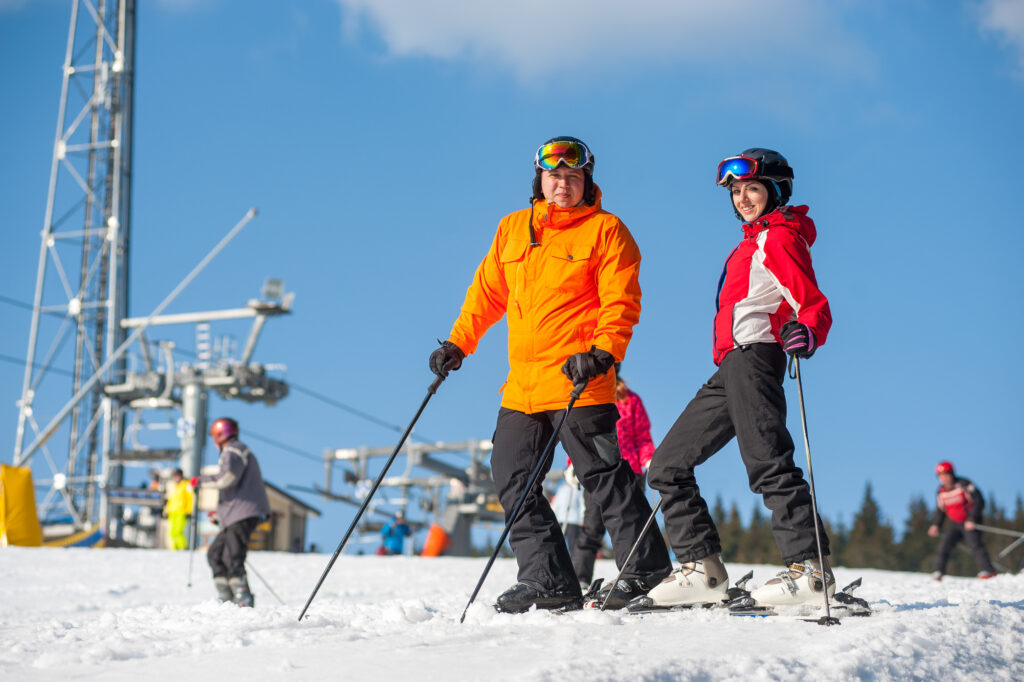
Romania, an often-overlooked gem in Eastern Europe, offers a captivating blend of scenic beauty, rich culture, and a growing reputation as a skiing and snowboarding destination. With the Carpathian Mountains providing a stunning backdrop, Romania presents a variety of slopes suitable for both beginners and seasoned enthusiasts. Beyond the ski resorts, Romania boasts charming medieval towns, vibrant cities, and a welcoming atmosphere that enriches any travel experience. Whether you’re seeking the thrill of pristine slopes or the allure of traditional Romanian hospitality, this country promises an unforgettable winter adventure.
Romania is situated in southeastern Europe, bordered by Hungary to the west, Ukraine to the north, Moldova to the east, and Bulgaria to the south. The Carpathian Mountains dominate the country’s central region, creating a natural arc that spans approximately 1,500 km (932 miles). This mountainous terrain is the primary hub for Romania’s ski resorts, offering diverse landscapes and snow conditions ideal for winter sports.The main mountain ranges in Romania include the Eastern Carpathians, Southern Carpathians, and Western Carpathians. The Southern Carpathians, also known as the Transylvanian Alps, are home to some of the most popular ski destinations, including the renowned resorts of Poiana Brașov and Sinaia. These areas benefit from reliable snowfall and well-developed infrastructure, making them accessible and enjoyable for visitors.The geographical diversity of Romania ensures that skiers and snowboarders can experience a variety of terrains, from gentle beginner slopes to challenging off-piste trails. The picturesque landscapes, coupled with the country’s rich history and culture, make Romania a unique and compelling destination for winter sports enthusiasts.
The optimal time to visit Romania for skiing and snowboarding is between December and March. During this period, the Carpathian Mountains receive ample snowfall, ensuring excellent conditions on the slopes. January and February are typically the coldest months, with temperatures often dipping below freezing, which helps maintain the quality of the snow.Early December and late March can also be appealing times to visit, especially for those looking to avoid the peak season crowds. While snowfall may be less predictable during these months, the milder weather and quieter resorts offer a more relaxed experience. Additionally, visiting outside the peak season can provide better deals on accommodation and lift passes.Spring skiing in late March can be particularly enjoyable, as longer daylight hours and warmer temperatures create a pleasant atmosphere on the slopes. However, it is essential to check weather forecasts and snow conditions before planning a trip during the shoulder seasons to ensure an optimal skiing experience.
Travelers from most European countries, as well as the United States, Canada, and Australia, do not need a visa to enter Romania for short stays of up to 90 days within a 180-day period. However, it is essential to have a valid passport with at least six months of validity remaining from the date of entry. Ensure that your passport has blank pages for entry and exit stamps.For those requiring a visa, it is necessary to apply at a Romanian consulate or embassy in your home country. The application process typically involves submitting a completed form, a recent passport-sized photo, proof of accommodation, and a return ticket. It is advisable to start the visa application process well in advance of your planned travel dates to avoid any delays.Upon arrival in Romania, tourists may be asked to provide proof of sufficient funds for their stay and documentation of travel insurance. It is also recommended to carry copies of your travel itinerary, accommodation bookings, and any other relevant documents to facilitate the entry process.
Romania is accessible by air, rail, and road, making it convenient for travelers from various parts of Europe and beyond. The primary international gateway is Henri Coandă International Airport (OTP) in Bucharest, which offers numerous flights from major European cities and several long-haul destinations. Other international airports include Cluj-Napoca International Airport (CLJ) and Timișoara Traian Vuia International Airport (TSR), providing additional options for entry.For those traveling from neighboring countries, Romania is well-connected by an extensive rail network. International train services operate from cities such as Budapest, Vienna, and Sofia, arriving at key Romanian hubs like Bucharest, Brașov, and Cluj-Napoca. This mode of travel can be both scenic and cost-effective, offering a glimpse of the countryside en route.Driving to Romania is another viable option, especially for those coming from nearby countries. The country’s road network has improved significantly in recent years, with major highways connecting Romania to Hungary, Bulgaria, and Serbia. However, it is essential to be aware of local driving conditions and regulations, particularly during the winter months when snow and ice can impact travel.
Romania boasts several excellent ski resorts, each offering unique features and amenities to cater to a range of preferences and skill levels. Poiana Brașov, the most famous and largest ski resort in Romania, is situated in the Southern Carpathians. It provides a variety of slopes, from gentle beginner runs to more challenging black diamond trails. The resort’s modern facilities, including ski lifts, equipment rentals, and après-ski options, make it a popular choice for both locals and international visitors.Sinaia, another top destination, is known for its high-altitude skiing and breathtaking views. Located in the Bucegi Mountains, Sinaia offers diverse terrain suitable for all levels of skiers and snowboarders. The resort is also home to the historic Peleș Castle, adding a cultural dimension to your skiing holiday. Sinaia’s extensive lift system and well-maintained slopes ensure a seamless experience on the mountain.For a more off-the-beaten-path experience, consider visiting the resort of Bâlea Lac in the Făgăraș Mountains. Accessible primarily by cable car, Bâlea Lac is renowned for its deep snow and challenging off-piste opportunities. This resort is ideal for advanced skiers and snowboarders seeking thrilling backcountry adventures. Additionally, the Ice Hotel at Bâlea Lac provides a unique and memorable lodging option.
Romania offers a wide range of equipment rental options and shops to cater to the needs of skiers and snowboarders. In popular resorts like Poiana Brașov and Sinaia, visitors will find numerous rental shops providing high-quality gear, including skis, snowboards, boots, and helmets. These shops typically offer equipment for all levels, from beginner to advanced, ensuring that every guest can find suitable gear for their skill level.Renting equipment is straightforward, with most shops offering daily, weekly, or seasonal rental packages. Prices are generally reasonable, and many rental shops provide the option to reserve equipment online in advance, ensuring availability upon arrival. Additionally, staff at these shops are usually knowledgeable and can assist with proper fittings and recommendations based on individual needs.For those looking to purchase their own equipment, Romania has several sporting goods stores and specialty shops in major cities and resort towns. These stores stock a variety of brands and products, from skis and snowboards to apparel and accessories. Whether you need to replace a forgotten item or invest in new gear, you’ll find plenty of options to suit your preferences and budget.
Romania’s Carpathian Mountains offer ample opportunities for backcountry and off-piste skiing, attracting adventurous skiers and snowboarders seeking untracked powder and challenging terrain. Bâlea Lac, located in the Făgăraș Mountains, is a prime destination for backcountry enthusiasts. Accessible primarily by cable car, this area is known for its deep snow, steep descents, and stunning alpine scenery. Guided tours are recommended for those unfamiliar with the terrain, as they provide local expertise and enhance safety.Another excellent spot for off-piste skiing is the Retezat Mountains, where rugged landscapes and varied terrain await. The region’s remote nature means fewer crowds and a more pristine skiing experience. Hiring a local guide is advisable, as they can navigate the terrain and identify the best routes for an exhilarating day on the slopes. The Retezat Mountains also offer opportunities for ski touring, with several multi-day routes available for those seeking extended backcountry adventures.Safety is paramount when engaging in backcountry and off-piste skiing. It is crucial to carry appropriate safety equipment, such as avalanche transceivers, shovels, and probes, and to be aware of the current snow and weather conditions. Participating in an avalanche safety course is highly recommended, as it equips skiers and snowboarders with essential knowledge and skills for navigating off-piste terrain.
Romania offers a diverse range of accommodation options to suit all budgets and preferences. In popular ski resorts like Poiana Brașov and Sinaia, visitors will find a variety of hotels, chalets, and guesthouses. Luxury hotels provide upscale amenities, including spa facilities, fine dining, and ski-in/ski-out access, ensuring a comfortable and convenient stay. Mid-range options, such as family-run guesthouses and boutique hotels, offer cozy and affordable accommodations with personalized service.For budget-conscious travelers, Romania has numerous hostels and budget hotels, particularly in major cities and resort towns. These establishments provide basic amenities and a friendly atmosphere, making them ideal for solo travelers or those looking to save on lodging costs. Additionally, many ski resorts have self-catering apartments and cabins, which are perfect for families or groups seeking a home-away-from-home experience.Unique accommodation options, such as the Ice Hotel at Bâlea Lac, offer memorable experiences for adventurous travelers. This temporary structure is rebuilt each winter using ice from the nearby lake and provides a one-of-a-kind lodging experience. Guests can enjoy the novelty of sleeping in an ice room, complemented by warm sleeping bags and cozy furnishings, creating an unforgettable stay.
Romanian cuisine is a delightful blend of flavors and influences, reflecting the country’s rich history and diverse cultural heritage. Traditional Romanian dishes are hearty and flavorful, often featuring meats, vegetables, and dairy products. Popular dishes include sarmale (cabbage rolls stuffed with meat and rice), mămăligă (polenta), and mici (grilled sausages). These comfort foods are perfect for replenishing energy after a day on the slopes.In ski resort towns like Poiana Brașov and Sinaia, visitors will find a variety of dining options, ranging from traditional Romanian restaurants to international eateries. Many restaurants in these areas offer rustic, cozy atmospheres, complete with fireplaces and wooden décor, enhancing the dining experience. Local wines and spirits, such as țuică (plum brandy), are also widely available and provide a taste of Romanian hospitality.For those seeking a more refined dining experience, Romania’s major cities and tourist hubs boast a growing number of upscale restaurants and bistros. These establishments often feature modern interpretations of traditional dishes, using fresh, locally-sourced ingredients. Whether you’re enjoying a casual meal in a mountain chalet or a gourmet dinner in a city restaurant, Romanian cuisine offers a rich and satisfying culinary journey.
Getting around Romania is relatively straightforward, with various transportation options available to suit different preferences and budgets. In major cities and tourist hubs, public transportation systems, including buses, trams, and metro services, provide efficient and affordable means of travel. Bucharest, for example, has an extensive metro network that connects key areas of the city, making it easy to navigate.For travel between cities and ski resorts, Romania’s railway network is a convenient option. Trains are generally reliable and offer scenic routes through the countryside and mountains. Intercity trains connect major cities like Bucharest, Brașov, and Cluj-Napoca, while regional trains serve smaller towns and resort areas. Booking tickets in advance is recommended, especially during peak travel periods.Renting a car is another popular choice, particularly for those looking to explore more remote areas or travel at their own pace. Romania’s road network has improved significantly in recent years, and major highways connect key destinations. However, it is essential to be cautious when driving in winter conditions, as snow and ice can make roads hazardous. Many car rental agencies offer vehicles equipped for winter driving, including snow tires and chains.
Getting around Romania is relatively straightforward, with various transportation options available to suit different preferences and budgets. In major cities and tourist hubs, public transportation systems, including buses, trams, and metro services, provide efficient and affordable means of travel. Bucharest, for example, has an extensive metro network that connects key areas of the city, making it easy to navigate.For travel between cities and ski resorts, Romania’s railway network is a convenient option. Trains are generally reliable and offer scenic routes through the countryside and mountains. Intercity trains connect major cities like Bucharest, Brașov, and Cluj-Napoca, while regional trains serve smaller towns and resort areas. Booking tickets in advance is recommended, especially during peak travel periods.Renting a car is another popular choice, particularly for those looking to explore more remote areas or travel at their own pace. Romania’s road network has improved significantly in recent years, and major highways connect key destinations. However, it is essential to be cautious when driving in winter conditions, as snow and ice can make roads hazardous. Many car rental agencies offer vehicles equipped for winter driving, including snow tires and chains.
The official currency of Romania is the Romanian leu (RON). While major cities and tourist areas widely accept credit and debit cards, it is advisable to carry some cash, especially when traveling to more remote locations or small towns. ATMs are readily available in urban areas and ski resorts, making it easy to withdraw local currency as needed.Most businesses, including hotels, restaurants, and shops, accept major credit cards such as Visa and MasterCard. However, smaller establishments and rural areas may only accept cash payments, so it is wise to have some leu on hand for such situations. Currency exchange services are available at airports, banks, and exchange bureaus, offering competitive rates for foreign currencies.Tipping is customary in Romania, with a typical gratuity of 10-15% in restaurants and cafes. It is also common to tip hotel staff, taxi drivers, and tour guides for good service. When paying by card, it is best to leave a cash tip if possible, as adding the gratuity to the card payment is not always feasible.
The official language of Romania is Romanian, a Romance language with Latin roots. While Romanian is the primary language spoken, English is widely understood and spoken, especially in tourist areas, major cities, and ski resorts. Many younger Romanians and those working in the hospitality industry are proficient in English, making it relatively easy for English-speaking visitors to communicate.In addition to English, other foreign languages such as French, German, and Italian are also spoken by some Romanians, particularly in areas with a high concentration of tourists. Learning a few basic Romanian phrases can be helpful and appreciated by locals. Common phrases such as “Bună ziua” (Hello), “Mulțumesc” (Thank you), and “La revedere” (Goodbye) can go a long way in enhancing your travel experience.For those needing assistance with language barriers, translation apps and services can be useful tools. Additionally, many tourist information centers, hotels, and attractions provide multilingual staff or materials to assist international visitors. Overall, language is unlikely to be a significant barrier when traveling in Romania, especially in well-frequented tourist destinations.
Romania’s rich cultural heritage and diverse attractions make it an intriguing destination for visitors. In addition to skiing and snowboarding, tourists can explore historic sites, medieval towns, and vibrant cities. The Transylvanian region, in particular, is famous for its well-preserved medieval castles and fortresses, such as Bran Castle, often associated with the Dracula legend, and the picturesque town of Sighișoara, a UNESCO World Heritage Site.Bucharest, the capital city, offers a blend of historical and modern attractions, including the colossal Palace of the Parliament, one of the largest administrative buildings in the world, and the charming Old Town, known for its lively nightlife and dining scene. Visitors can also enjoy numerous museums, galleries, and theaters, showcasing Romania’s artistic and cultural achievements.For nature enthusiasts, Romania’s diverse landscapes provide ample opportunities for outdoor activities beyond skiing. The Danube Delta, a UNESCO World Heritage Site, is a haven for birdwatching and eco-tourism, while the Carpathian Mountains offer hiking, mountain biking, and wildlife watching. The Maramureș region, known for its wooden churches and traditional villages, provides a glimpse into Romania’s rural traditions and customs.
Understanding local laws and regulations is crucial for a trouble-free visit to Romania. It is mandatory to carry identification, such as a passport, at all times, and authorities may request to see it. Driving under the influence of alcohol is strictly prohibited, with severe penalties for offenders. The legal blood alcohol limit for drivers is 0.00%, so it is best to avoid drinking entirely if you plan to drive.Romania has strict regulations regarding drug use and possession, with severe penalties for violations. It is important to avoid any involvement with illegal substances. Additionally, smoking is prohibited in enclosed public spaces, including restaurants, bars, and public transportation. Designated smoking areas are usually provided outside these venues.Respecting local wildlife and natural areas is important. Littering and damaging natural habitats are punishable offenses. When hiking or skiing in protected areas, adhere to designated trails and follow guidelines to minimize environmental impact. Overall, adhering to local laws and regulations ensures a safe and respectful visit to Romania.
Romania is generally a safe destination for travelers, but it is always wise to take standard precautions to ensure a trouble-free trip. Be vigilant with personal belongings, especially in crowded areas and public transportation. Petty theft, such as pickpocketing, can occur, so it is advisable to keep valuables secure and be aware of your surroundings.In case of emergencies, Romania has a well-developed network of emergency services. The emergency number for police, fire, and medical assistance is 112, which can be dialed free of charge from any phone. Major ski resorts and tourist areas also have ski patrols and first aid stations to assist with injuries and emergencies on the slopes.Having comprehensive travel insurance that covers medical expenses, trip cancellations, and theft is highly recommended. Ensure that your insurance policy includes coverage for winter sports activities. Familiarize yourself with the location of the nearest medical facilities and carry a basic first aid kit for minor injuries. With these precautions, you can enjoy a safe and enjoyable skiing holiday in Romania.
Securing health and travel insurance is an essential step when planning a trip to Romania. Comprehensive travel insurance should cover a range of potential issues, including medical emergencies, trip cancellations, lost or stolen luggage, and winter sports activities. Ensure that your policy specifically includes coverage for skiing and snowboarding, as these activities can carry a higher risk of injury.Romania’s healthcare system includes both public and private facilities, with private clinics and hospitals generally offering higher standards of care and shorter wait times. It is advisable to carry a European Health Insurance Card (EHIC) if you are an EU citizen, as this card provides access to necessary medical treatment in public hospitals at reduced costs. However, EHIC does not replace travel insurance, and private healthcare can be costly without adequate coverage.In addition to securing insurance, take preventive health measures to ensure a safe trip. Pack any necessary prescription medications and carry a copy of your prescription. It is also wise to have a basic first aid kit for minor injuries and illnesses. Stay informed about any health advisories or vaccination requirements before traveling. By taking these precautions, you can enjoy your Romanian ski adventure with peace of mind.