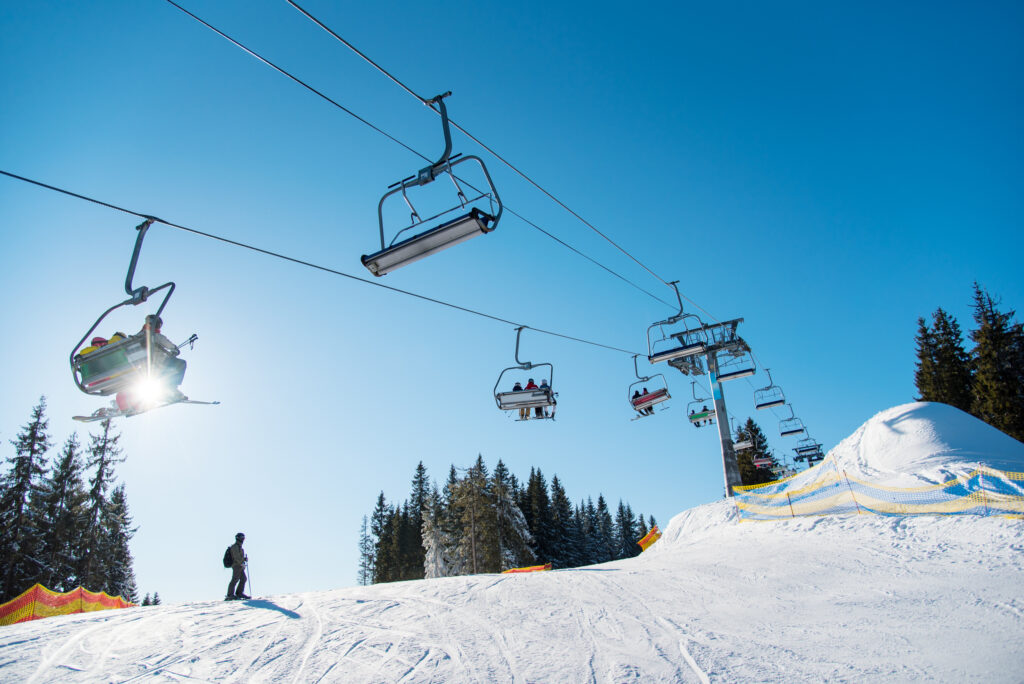
Slovenia, a hidden gem in the heart of Europe, offers an extraordinary winter sports experience. This small yet diverse country boasts a variety of ski and snowboard resorts that cater to all levels of expertise. From the snow-capped peaks of the Julian Alps to the family-friendly slopes in the Karavanke range, Slovenia promises an unforgettable adventure for winter sports enthusiasts. Whether you are seeking the thrill of backcountry skiing or the comfort of well-maintained pistes, Slovenia’s winter sports scene has something for everyone.The country’s rich cultural heritage and stunning natural beauty complement the winter sports experience, making Slovenia a destination worth considering. Beyond the slopes, visitors can immerse themselves in local traditions, savor delicious cuisine, and explore charming alpine villages. With its well-developed infrastructure and warm hospitality, Slovenia is an ideal choice for both seasoned skiers and snowboarders and those new to the sport.Slovenia’s affordability compared to more famous European ski destinations is another compelling reason to visit. The cost of ski passes, accommodation, and dining is relatively lower, allowing travelers to enjoy a high-quality experience without breaking the bank. With its combination of scenic beauty, diverse ski options, and cultural richness, Slovenia is poised to become a favorite among winter sports enthusiasts worldwide.
Slovenia is situated in Central Europe, bordered by Austria to the north, Italy to the west, Hungary to the northeast, and Croatia to the southeast. Its diverse landscape includes the Julian Alps, the Kamnik-Savinja Alps, and the Karavanke range, all of which provide excellent opportunities for skiing and snowboarding. The highest peak, Triglav, stands at 2,864 meters (9,396 feet) and is located within Triglav National Park, a popular destination for outdoor activities.The country’s topography ranges from alpine mountains to rolling hills and flat plains, offering varied terrain for different types of skiing and snowboarding. The Alpine region in the northwest is the most significant for winter sports, with resorts like Kranjska Gora and Vogel providing well-maintained slopes and stunning views. The southeast part of Slovenia, though less mountainous, still offers enjoyable winter sports experiences, especially for beginners and families.Slovenia’s geographical diversity also means that visitors can combine their ski trip with other outdoor activities such as hiking, climbing, and even exploring caves. The country’s compact size allows for easy access to different regions, making it possible to experience a wide range of natural beauty and recreational opportunities in a single trip.
The best time to visit Slovenia for skiing and snowboarding is from December to March, when the snow conditions are most reliable. During this period, the resorts are fully operational, and the snow cover is typically at its best, providing excellent conditions for winter sports. December and January are ideal for those seeking a festive atmosphere, with Christmas markets and holiday celebrations adding to the charm of the alpine villages.February and March are also excellent months to visit, offering longer daylight hours and often milder temperatures. This period is particularly popular with families and those who prefer a more relaxed pace on the slopes. Late-season skiing can be quite enjoyable, with fewer crowds and the possibility of enjoying other springtime activities as the snow begins to melt at lower altitudes.While the peak winter months are ideal for skiing, Slovenia’s diverse climate means that weather conditions can vary. It’s always a good idea to check the local weather forecast and snow reports before planning your trip. Some higher-altitude resorts, like Kanin, may offer skiing opportunities even beyond March, extending the winter sports season into April.
For most visitors, entering Slovenia is straightforward, especially for citizens of the European Union, the Schengen Area, and several other countries who do not require a visa for short stays. Travelers from the United States, Canada, Australia, and New Zealand can enter Slovenia visa-free for up to 90 days within a 180-day period. It’s important to have a valid passport with at least three months of validity beyond your intended departure date.If you do require a visa, the process involves submitting an application to a Slovenian embassy or consulate in your home country. The application typically requires proof of travel insurance, a return ticket, and sufficient funds to cover your stay. Processing times can vary, so it’s advisable to apply well in advance of your planned trip.Additionally, Slovenia is part of the Schengen Area, so travelers can move freely between Slovenia and other Schengen countries without additional border checks. However, always carry your identification and be aware of the specific entry requirements for each country within the Schengen zone, especially if your travels involve multiple destinations.
Reaching Slovenia is convenient, thanks to its well-connected transport infrastructure. The main international gateway is Ljubljana Jože Pučnik Airport, located about 25 kilometers (15.5 miles) from the capital city, Ljubljana. This airport offers direct flights to and from numerous European cities, making it an accessible entry point for international travelers. During the winter season, additional charter flights may be available to accommodate ski tourists.For those traveling by train, Slovenia’s railway network connects with major European cities. The capital, Ljubljana, serves as the central hub, with regular services to cities like Vienna, Munich, and Venice. Train travel can be a scenic and relaxing way to reach Slovenia, especially for those coming from neighboring countries.Driving to Slovenia is another option, particularly for travelers from nearby countries. The well-maintained road network and efficient highway system make it easy to access Slovenia by car. Major highways connect Slovenia to Austria, Italy, Hungary, and Croatia, providing a smooth journey for those who prefer the flexibility of driving. Car rentals are available at major airports and cities, offering further convenience for visitors.
Slovenia boasts a variety of ski and snowboard resorts, each offering unique experiences for winter sports enthusiasts. Kranjska Gora, located in the Julian Alps near the Austrian and Italian borders, is one of the most popular resorts. Known for its World Cup alpine ski races, Kranjska Gora offers a range of slopes suitable for beginners to advanced skiers. The resort’s charming village atmosphere, combined with excellent facilities, makes it a favorite destination.Vogel Ski Resort, situated in Triglav National Park, provides breathtaking views of Lake Bohinj and the surrounding mountains. Vogel’s higher elevation ensures reliable snow conditions, and the resort offers a good mix of runs for all skill levels. Its family-friendly environment and natural beauty make it an ideal choice for those looking to combine skiing with scenic enjoyment.For those seeking more challenging terrain, Kanin-Sella Nevea, Slovenia’s highest ski resort, offers a unique cross-border skiing experience with Italy. The resort’s high altitude ensures a long ski season, and the varied slopes cater to more experienced skiers and snowboarders. Kanin’s spectacular alpine scenery and the opportunity to ski across international borders add an adventurous element to any trip.
Slovenia’s ski resorts are well-equipped with rental shops offering a wide range of gear for skiers and snowboarders. Whether you need skis, snowboards, boots, or helmets, you’ll find plenty of options to rent high-quality equipment. Most rental shops are conveniently located near the main ski areas and often provide packages that include all the necessary gear at competitive prices.In addition to rentals, Slovenia has numerous sports shops where you can purchase equipment and accessories. These shops stock the latest gear from leading brands, ensuring that you have access to top-notch equipment. Knowledgeable staff are on hand to help you choose the right gear for your skill level and preferences, making it easy to find everything you need for a great day on the slopes.It’s advisable to reserve your rental equipment in advance, especially during peak season, to ensure availability. Many rental shops offer online booking services, allowing you to secure your gear before you arrive. This can save time and ensure that you have the right equipment ready to go as soon as you hit the slopes.
Slovenia’s diverse terrain makes it an excellent destination for backcountry and off-piste skiing. The Julian Alps and Karavanke range offer numerous opportunities for adventurous skiers to explore untracked snow and remote areas. These regions provide a mix of challenging descents, open bowls, and tree skiing, appealing to those seeking a more rugged and natural experience.Triglav National Park is a popular area for backcountry skiing, with its pristine landscapes and varied terrain. Guided tours are available, offering a safe way to explore the backcountry with experienced local guides who know the best routes and can ensure your safety. These tours often include avalanche training and equipment, making them suitable even for those new to backcountry skiing.For the ultimate off-piste experience, consider heli-skiing in the Slovenian Alps. Although not as widely available as in some larger ski destinations, heli-skiing in Slovenia offers a unique opportunity to access untouched powder and remote slopes. Local operators provide guided heli-skiing packages, including all necessary safety gear and expert guidance, ensuring a thrilling and safe adventure.
Slovenia offers a wide range of accommodation options to suit all budgets and preferences. From luxury hotels and cozy alpine chalets to budget-friendly hostels and guesthouses, you’ll find plenty of choices near the main ski resorts. Many accommodations are conveniently located within walking distance of the slopes, providing easy access to skiing and snowboarding activities.For a more authentic experience, consider staying in one of Slovenia’s traditional mountain huts or lodges. These accommodations often feature rustic charm, warm hospitality, and stunning views of the surrounding mountains. They are an excellent choice for those looking to immerse themselves in the local culture and enjoy a cozy, homey atmosphere after a day on the slopes.Booking your accommodation in advance is recommended, especially during the peak winter season. Many resorts offer package deals that include lift passes, equipment rentals, and accommodations, providing excellent value for money. Whether you prefer the convenience of a modern hotel or the charm of a traditional chalet, Slovenia has something to offer every traveler.
Slovenia’s culinary scene is a delightful blend of traditional and modern flavors, influenced by its diverse cultural heritage. After a day on the slopes, you can indulge in hearty Slovenian dishes that reflect the country’s alpine and Mediterranean influences. Traditional fare includes dishes like jota (a thick soup made with sauerkraut, beans, and potatoes), žlikrofi (dumplings filled with potatoes and bacon), and various grilled meats.Many ski resorts feature on-mountain restaurants and huts where you can enjoy delicious meals with stunning views of the surrounding landscapes. These eateries often serve traditional Slovenian cuisine, as well as international dishes, ensuring that there is something to satisfy every palate. Warm up with a bowl of hearty goulash or enjoy a sweet treat like potica, a traditional Slovenian nut roll.In addition to resort dining options, nearby villages and towns offer a wide range of restaurants, cafes, and bars. From fine dining establishments to casual eateries, you can experience the best of Slovenian hospitality and cuisine. Be sure to sample some local wines and craft beers, which are gaining international recognition for their quality and unique flavors.
Getting around Slovenia is easy, thanks to its well-developed transportation network. The country’s compact size means that most ski resorts are within a short drive from major cities and towns. Renting a car is a convenient option for those who want the flexibility to explore multiple resorts and attractions. Major car rental agencies operate at airports and in city centers, providing a wide range of vehicles to suit your needs.Public transportation is also a reliable and affordable way to travel within Slovenia. Buses and trains connect major cities, towns, and ski resorts, making it easy to reach your destination without the need for a car. The Slovenian Railways network offers comfortable and efficient services, with routes that include stunning scenic views, especially in the alpine regions.For those staying in ski resorts, shuttle services are often available to transport guests between accommodations, ski lifts, and nearby attractions. These shuttles are typically operated by the resorts or local tourism offices and can be a convenient way to get around without the hassle of driving. Always check the availability and schedules of these services when planning your trip.
Getting around Slovenia is easy, thanks to its well-developed transportation network. The country’s compact size means that most ski resorts are within a short drive from major cities and towns. Renting a car is a convenient option for those who want the flexibility to explore multiple resorts and attractions. Major car rental agencies operate at airports and in city centers, providing a wide range of vehicles to suit your needs.Public transportation is also a reliable and affordable way to travel within Slovenia. Buses and trains connect major cities, towns, and ski resorts, making it easy to reach your destination without the need for a car. The Slovenian Railways network offers comfortable and efficient services, with routes that include stunning scenic views, especially in the alpine regions.For those staying in ski resorts, shuttle services are often available to transport guests between accommodations, ski lifts, and nearby attractions. These shuttles are typically operated by the resorts or local tourism offices and can be a convenient way to get around without the hassle of driving. Always check the availability and schedules of these services when planning your trip.
The official currency of Slovenia is the Euro (EUR). Credit and debit cards are widely accepted throughout the country, especially in hotels, restaurants, and shops in tourist areas. ATMs are readily available in cities, towns, and ski resorts, allowing you to withdraw cash as needed. However, it’s a good idea to carry some cash, especially when visiting more remote areas or smaller establishments that may not accept cards.When using credit or debit cards, be aware of any foreign transaction fees that your bank may charge. It’s also advisable to inform your bank of your travel plans to avoid any issues with card usage while abroad. Contactless payment methods are increasingly popular in Slovenia, making it easy to pay for small purchases quickly and securely.Tipping in Slovenia is not obligatory, but it is appreciated for good service. In restaurants, rounding up the bill or leaving a small tip (around 10%) is customary. Taxi drivers and hotel staff may also appreciate a small tip for their services. Always ensure you have some small denomination bills or coins for tipping and minor purchases.
The official language of Slovenia is Slovene, but English is widely spoken, especially in tourist areas and among younger generations. Most people working in the hospitality and tourism industry, including hotel staff, restaurant servers, and ski instructors, have a good command of English. This makes it easy for international visitors to communicate and navigate their way around the country.In addition to English, many Slovenians speak other languages, such as German and Italian, due to the country’s geographical location and historical ties. This multilingual ability further enhances the convenience for travelers from different parts of Europe. Signs and information in tourist areas are often displayed in multiple languages, including English.Learning a few basic Slovene phrases can enhance your travel experience and is appreciated by locals. Simple greetings like “dobro jutro” (good morning) and “hvala” (thank you) can go a long way in creating a positive impression. While most people will understand and speak English, making an effort to use the local language can enrich your interactions and show respect for the local culture.
Slovenia’s rich cultural heritage and natural beauty provide plenty of attractions to explore beyond the ski slopes. The capital city, Ljubljana, is a charming and vibrant hub with a picturesque old town, a medieval castle, and a lively arts and music scene. Strolling through the cobbled streets and along the banks of the Ljubljanica River offers a delightful experience of the city’s unique atmosphere.The alpine town of Bled, with its stunning lake and iconic island church, is another must-visit destination. In winter, the lake’s surroundings transform into a snowy wonderland, offering opportunities for ice skating, winter hiking, and even horse-drawn carriage rides. The nearby Vintgar Gorge, with its icy waterfalls and serene trails, is a beautiful spot for a winter walk.Slovenia’s natural attractions also include numerous caves, such as the famous Postojna Cave and Škocjan Caves, which are UNESCO World Heritage sites. These impressive underground landscapes offer guided tours, showcasing stunning stalactites, stalagmites, and vast chambers. Exploring these caves provides a fascinating contrast to the alpine scenery and adds an element of adventure to your trip.
Slovenia has strict laws regarding the protection of its natural environment, particularly in national parks and protected areas. It’s important to adhere to designated trails and respect all posted signs and regulations. Off-piste skiing and snowboarding should only be done in areas where it is permitted and safe, and it is advisable to hire a local guide for such activities.The legal drinking age in Slovenia is 18, and alcohol consumption is prohibited in public places outside of licensed establishments. Smoking is also restricted in indoor public areas, including restaurants, bars, and public transport. Penalties for violating these laws can be substantial, so it’s important to be aware of and respect local regulations.Driving in Slovenia requires a valid driver’s license, and headlights must be on at all times while driving. The use of seat belts is mandatory for all passengers, and there are strict penalties for driving under the influence of alcohol or drugs. Slovenia has a vignette system for highway tolls, and visitors must purchase a vignette and display it on their vehicle when using motorways.
Slovenia is considered a safe destination for travelers, with low crime rates and a high standard of public safety. However, it’s always important to take standard precautions to ensure your safety. Keep an eye on your belongings, especially in crowded areas, and avoid displaying valuable items in public. Be cautious when withdrawing cash from ATMs and use machines located in well-lit, busy areas.When participating in winter sports, always wear appropriate safety gear, including helmets, and follow all posted signs and instructions from resort staff. Check weather conditions and avalanche reports before heading out, especially if you plan to venture off-piste or into backcountry areas. Hiring a local guide for backcountry skiing is recommended to ensure your safety.In case of emergency, the general emergency number in Slovenia is 112, which connects you to ambulance, fire, and police services. The Slovenian Mountain Rescue Service can be reached by calling 112 as well. It’s advisable to carry a charged mobile phone with you and have important contact numbers saved. Familiarize yourself with the location of the nearest medical facilities and pharmacies at your destination.
Comprehensive travel insurance is essential when planning a trip to Slovenia, particularly for winter sports activities. Ensure your insurance policy covers medical expenses, emergency evacuation, and any specific activities you plan to undertake, such as skiing or snowboarding. Check the policy details carefully to understand what is included and any exclusions that may apply.Slovenia has a high standard of healthcare, and European Union citizens can use their European Health Insurance Card (EHIC) to access medical services. However, an EHIC does not cover all costs, such as private healthcare or mountain rescue, making additional travel insurance crucial. Non-EU travelers should ensure their insurance provides adequate coverage for medical emergencies and repatriation.It’s also advisable to bring any necessary medications with you, along with a copy of your prescription. Pharmacies are widely available in Slovenia, but having your medications on hand can save time and ensure you have what you need in case of any health issues. If you have any specific health concerns, consult your doctor before traveling and carry a basic first-aid kit for minor injuries and illnesses.