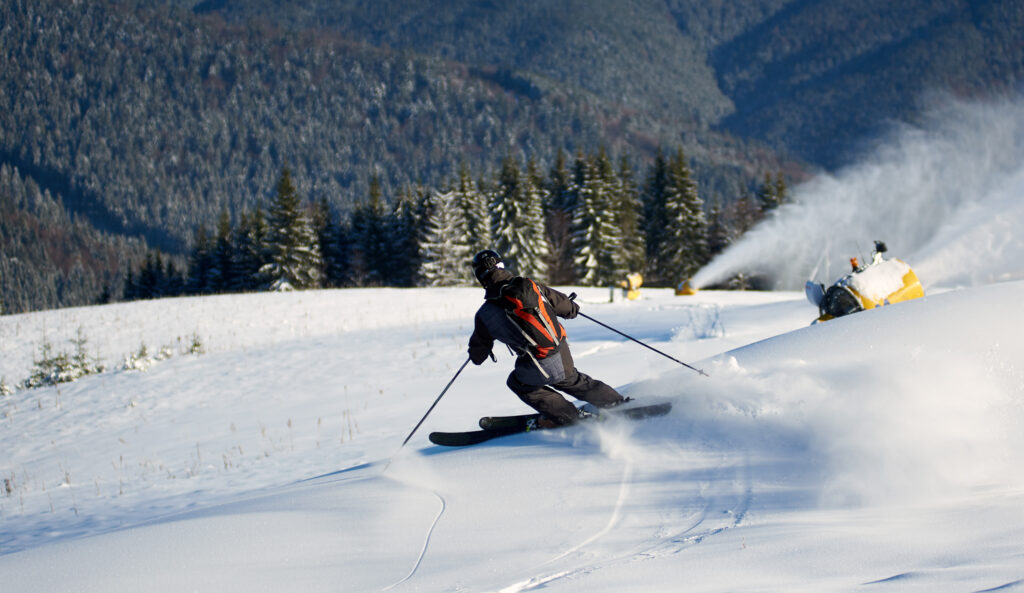
Spain may not be the first country that comes to mind when thinking about ski and snowboard destinations, but it is home to some of Europe’s most impressive and diverse slopes. Known for its sunny climate and vibrant culture, Spain offers a unique twist to the typical winter sports experience. From the high peaks of the Pyrenees to the sun-drenched Sierra Nevada, Spain provides a variety of terrains and environments for winter sports enthusiasts. Whether you are a seasoned skier looking for challenging runs or a beginner eager to take your first steps on the snow, Spain has something to offer.Spain’s ski resorts are not only about the slopes but also about the rich cultural experience. The après-ski scene here is infused with Spanish flair, featuring delicious cuisine, lively nightlife, and a warm, welcoming atmosphere. The country’s well-developed infrastructure ensures that you can enjoy modern amenities and services, making your trip comfortable and hassle-free. Additionally, Spain’s historical towns and cities near the ski resorts provide an excellent opportunity to combine winter sports with cultural exploration.For those seeking adventure beyond the beaten path, Spain’s backcountry offers pristine, untouched landscapes perfect for off-piste skiing and snowboarding. The country’s varied geography ensures that every trip can be different, providing new experiences and challenges. With a wealth of resorts, excellent facilities, and a unique blend of cultural experiences, Spain is a fantastic destination for skiers and snowboarders of all levels.
Spain is located in southwestern Europe, sharing borders with France to the north, Portugal to the west, and the Mediterranean Sea to the east and south. The country boasts a diverse geography that includes mountains, beaches, and plains. The primary mountain ranges for skiing and snowboarding are the Pyrenees, which form a natural border with France, and the Sierra Nevada in the southern region of Andalusia.The Pyrenees are renowned for their rugged beauty and high peaks, with many resorts situated in the Aragon and Catalonia regions. These mountains offer a mix of challenging runs and scenic beauty, making them a favorite among experienced skiers. The Sierra Nevada, located near the city of Granada, is the southernmost ski resort in Europe and boasts one of the longest ski seasons on the continent. Its higher elevation ensures reliable snow conditions, and on clear days, you can enjoy stunning views of the Mediterranean Sea.Spain’s diverse geography also includes the Cantabrian Mountains in the northwest, which offer a more off-the-beaten-path experience. Here, you can find smaller, less crowded resorts that provide a different perspective on Spanish skiing. This variety in geography means that Spain can cater to a wide range of skiing and snowboarding preferences, from high-altitude alpine experiences to more relaxed and scenic runs.
The best time to visit Spain for skiing and snowboarding largely depends on the specific region you plan to explore. Generally, the ski season in Spain runs from late November to early May, with the peak season being from December to March. The Pyrenees and Sierra Nevada are the most popular destinations, with each offering unique seasonal advantages.In the Pyrenees, the best time to visit is from December to March when the snow conditions are at their peak. During this period, you can expect well-groomed slopes and a bustling atmosphere with various events and activities. January and February tend to be the coldest months, ensuring good snow cover and optimal skiing conditions. If you prefer fewer crowds and slightly warmer weather, March is an excellent time to visit as the temperatures begin to rise, and the days become longer.The Sierra Nevada, due to its southern location, has a longer ski season, typically starting in late November and extending into early May. The best time to visit this region is from January to April. The higher altitude of the Sierra Nevada ensures reliable snow conditions, even when temperatures are warmer. Visiting in late spring allows you to enjoy the unique experience of skiing in the morning and spending the afternoon exploring the historic city of Granada or relaxing on the nearby Mediterranean beaches.
Spain is part of the Schengen Area, which allows for visa-free travel for up to 90 days within a 180-day period for citizens of many countries, including the United States, Canada, Australia, and most European nations. If you are traveling from outside the Schengen Area, it is important to check the specific visa requirements for your country before planning your trip. For stays longer than 90 days, a visa or residence permit is required, and this process can vary depending on your nationality and the purpose of your stay.When entering Spain, ensure that your passport is valid for at least three months beyond your planned departure date from the Schengen Area. It is also recommended to have travel insurance that covers medical expenses and emergency situations. While not a mandatory requirement, travel insurance can provide peace of mind and assistance in case of unforeseen events during your trip.For those planning to work or study in Spain, a specific visa is required, and you should contact the Spanish consulate or embassy in your home country for detailed information. The application process can take several weeks, so it is advisable to start early. Additionally, if you are traveling with minors, make sure to have all necessary documentation, including a letter of consent from the non-traveling parent if applicable.
Spain is well-connected to major cities around the world through its extensive network of international airports. The main gateways to the country are Madrid-Barajas Adolfo Suárez Airport (MAD) and Barcelona-El Prat Airport (BCN), both of which offer numerous direct flights from North America, Europe, and other continents. These airports provide easy access to various ski resorts, with well-developed transportation options including trains, buses, and car rentals.For those heading to the Pyrenees, flying into Barcelona or Toulouse (in France) is a convenient option, followed by a drive or train ride to the resort areas. The journey from Barcelona to the Pyrenees typically takes around 2-3 hours by car, depending on your destination. Train services from Barcelona to nearby towns such as Puigcerdà or La Molina offer a scenic and comfortable alternative to driving.Travelers heading to the Sierra Nevada should fly into Federico García Lorca Granada-Jaén Airport (GRX) or Málaga-Costa del Sol Airport (AGP). From Granada, it is a short 45-minute drive to the Sierra Nevada ski resort. Málaga, being a larger airport, offers more flight options and is about a 2-hour drive to the resort. Regular bus services also connect these airports to the ski areas, providing a budget-friendly transportation option.
Spain boasts a variety of ski and snowboard resorts, each offering unique experiences and terrain for winter sports enthusiasts. The Pyrenees are home to some of the most popular resorts, including Baqueira-Beret, Formigal, and La Molina. Baqueira-Beret is the largest and one of the most prestigious resorts in Spain, known for its excellent snow conditions and extensive network of runs suitable for all skill levels. Formigal, located in the Aragon region, offers a mix of challenging slopes and family-friendly areas, making it a versatile destination.La Molina is one of Spain’s oldest ski resorts and is well-loved for its accessibility and modern facilities. It is connected to the neighboring resort of Masella, together forming the Alp 2500 ski area with a wide range of runs and snow parks. These resorts in the Pyrenees not only offer excellent skiing and snowboarding but also a vibrant après-ski scene, with numerous bars, restaurants, and cultural events.The Sierra Nevada in Andalusia stands out for its unique setting and long ski season. It offers a variety of slopes, from beginner-friendly runs to challenging black diamonds. The resort also features a well-developed snow park for freestyle enthusiasts and night skiing options for those who want to extend their day on the slopes. The proximity to Granada allows visitors to combine their winter sports adventure with a visit to the historic Alhambra Palace or the charming Albaicín neighborhood.
Spain’s ski resorts are well-equipped with numerous rental shops and equipment stores, catering to all your skiing and snowboarding needs. Whether you are a beginner without your own gear or an experienced skier looking to try the latest equipment, you will find a range of options at competitive prices. Most resorts have rental shops conveniently located near the main lifts and accommodation areas, making it easy to pick up and drop off your gear.Baqueira-Beret and Formigal in the Pyrenees offer a wide selection of rental shops, including well-known brands and local stores. These shops provide high-quality equipment for all skill levels, including skis, snowboards, boots, and safety gear such as helmets and avalanche transceivers. Many rental shops also offer online booking services, allowing you to reserve your equipment in advance and save time upon arrival.In the Sierra Nevada, the rental shops are similarly well-stocked and conveniently located. The resort’s main village has numerous stores offering the latest gear and equipment for both adults and children. In addition to standard rentals, many shops provide specialized services such as ski tuning, boot fitting, and equipment storage. This ensures that your gear is always in top condition and ready for the slopes.
For those seeking a more adventurous skiing experience, Spain offers excellent opportunities for backcountry and off-piste skiing. The Pyrenees, with their rugged terrain and extensive snowfall, are particularly popular for off-piste adventures. Areas such as Val d’Aran and the slopes around Baqueira-Beret provide access to pristine powder and challenging descents. It is highly recommended to hire a local guide who knows the terrain and can ensure your safety while exploring these untouched areas.The Sierra Nevada also offers exciting backcountry options, with its high peaks and diverse terrain. The Veleta Peak, one of the highest in Spain, provides thrilling off-piste routes with stunning views of the Mediterranean Sea. Due to the challenging nature of these routes, proper avalanche safety gear and knowledge are essential. Joining a guided tour or hiring an experienced guide can enhance your experience and ensure your safety.For those new to backcountry skiing, many resorts in Spain offer introductory courses and guided excursions. These courses cover essential skills such as avalanche awareness, route finding, and safe skiing techniques. Whether you are an experienced backcountry skier or a novice looking to try something new, Spain’s diverse mountains and reliable snow conditions make it an excellent destination for off-piste adventures.
Spain offers a wide range of accommodation options to suit every budget and preference, from luxury hotels and resorts to budget-friendly hostels and self-catering apartments. In the Pyrenees, you will find charming mountain lodges and boutique hotels that provide a cozy and authentic experience. Baqueira-Beret is known for its high-end accommodations, including five-star hotels and exclusive chalets with top-notch amenities and services.Formigal and La Molina also offer a variety of lodging options, ranging from mid-range hotels to budget-friendly apartments and hostels. Many of these accommodations are conveniently located near the slopes, providing easy access to the lifts and resort facilities. Booking early is recommended, especially during peak season, to secure the best rates and availability.The Sierra Nevada boasts a range of accommodation options in its main village, Pradollano. Here, you can find everything from luxurious hotels with spa facilities to affordable apartments and guesthouses. The close proximity to Granada also allows for alternative lodging options, such as staying in the city and commuting to the slopes. This can be a great way to combine a ski trip with cultural exploration, enjoying the best of both worlds.
Spain is renowned for its rich culinary heritage, and this extends to its ski resorts. The après-ski dining experience in Spain is a delight, offering a mix of traditional Spanish dishes and international cuisine. In the Pyrenees, you can enjoy hearty mountain fare such as grilled meats, stews, and local cheeses. Baqueira-Beret and Formigal feature a variety of restaurants and bars where you can savor regional specialties like Aranese potage, a flavorful stew from the Val d’Aran, and tapas paired with local wines.In the Sierra Nevada, the dining options are equally impressive. The resort village of Pradollano boasts numerous restaurants serving everything from Andalusian specialties to international dishes. Don’t miss the opportunity to try local favorites such as gazpacho, jamón ibérico, and seafood paella. Many restaurants offer stunning views of the surrounding mountains, making your dining experience even more memorable.For those who prefer self-catering, most ski resorts have well-stocked grocery stores and markets where you can purchase fresh, local ingredients. This is a great option for families or groups who want the flexibility to prepare their own meals. Whether you choose to dine out or cook your own meals, the culinary options at Spain’s ski resorts are sure to enhance your winter sports vacation.
Getting around Spain is convenient and efficient, thanks to its well-developed transportation network. The country boasts an extensive system of trains, buses, and roads that make it easy to travel between cities and ski resorts. Renfe, Spain’s national railway company, operates high-speed trains (AVE) that connect major cities like Madrid, Barcelona, and Granada to nearby ski regions. These trains are known for their speed, comfort, and punctuality, providing a hassle-free travel experience.For those heading to the Pyrenees, renting a car can offer more flexibility and convenience, especially if you plan to visit multiple resorts or explore the surrounding areas. The drive from Barcelona to the Pyrenees is scenic and straightforward, with well-maintained roads and clear signage. Alternatively, several bus companies operate routes from Barcelona and Toulouse to popular ski destinations, offering an affordable and comfortable option for travelers.In the Sierra Nevada, the proximity to Granada means you can easily combine city sightseeing with your ski trip. Buses run regularly from Granada to the ski resort, providing a convenient and cost-effective transportation option. If you prefer driving, car rentals are readily available in Granada and Málaga, and the roads to the Sierra Nevada are well-maintained and clearly marked. Whether you choose to travel by train, bus, or car, getting around Spain is easy and enjoyable.
Getting around Spain is convenient and efficient, thanks to its well-developed transportation network. The country boasts an extensive system of trains, buses, and roads that make it easy to travel between cities and ski resorts. Renfe, Spain’s national railway company, operates high-speed trains (AVE) that connect major cities like Madrid, Barcelona, and Granada to nearby ski regions. These trains are known for their speed, comfort, and punctuality, providing a hassle-free travel experience.For those heading to the Pyrenees, renting a car can offer more flexibility and convenience, especially if you plan to visit multiple resorts or explore the surrounding areas. The drive from Barcelona to the Pyrenees is scenic and straightforward, with well-maintained roads and clear signage. Alternatively, several bus companies operate routes from Barcelona and Toulouse to popular ski destinations, offering an affordable and comfortable option for travelers.In the Sierra Nevada, the proximity to Granada means you can easily combine city sightseeing with your ski trip. Buses run regularly from Granada to the ski resort, providing a convenient and cost-effective transportation option. If you prefer driving, car rentals are readily available in Granada and Málaga, and the roads to the Sierra Nevada are well-maintained and clearly marked. Whether you choose to travel by train, bus, or car, getting around Spain is easy and enjoyable.
The official currency of Spain is the Euro (€), which is widely accepted throughout the country. Credit and debit cards are commonly used, and you will find ATMs in most towns, cities, and ski resorts. It is advisable to carry some cash, especially in smaller villages and remote areas where card payments may not be accepted. Major credit cards such as Visa and MasterCard are widely accepted, but American Express may not be as commonly used.Currency exchange services are available at airports, major train stations, and in cities. It is a good idea to exchange some money upon arrival for immediate expenses such as transportation and meals. Many ski resorts also have currency exchange facilities and ATMs for your convenience. When using ATMs, be aware of any foreign transaction fees your bank may charge and consider withdrawing larger amounts to minimize these fees.Contactless payments, including mobile payment options like Apple Pay and Google Wallet, are becoming increasingly popular in Spain. Most shops, restaurants, and services accept these forms of payment, making transactions quick and convenient. Whether you prefer using cash, cards, or contactless payments, you will find it easy to manage your expenses while enjoying your ski trip in Spain.
The official language of Spain is Spanish (Castilian), which is spoken by the majority of the population. In the Pyrenees, particularly in the regions of Catalonia and the Basque Country, you may also encounter Catalan and Basque languages. English is widely spoken in tourist areas, including ski resorts, hotels, and restaurants, making it relatively easy for English-speaking visitors to communicate.Learning a few basic Spanish phrases can enhance your travel experience and help you connect with locals. Simple greetings, thank you (gracias), and please (por favor) can go a long way in showing respect and appreciation for the local culture. Many resorts and tourist services provide information and assistance in multiple languages, including English, French, and German.For those who need to stay connected, Spain has excellent mobile network coverage, and Wi-Fi is widely available in hotels, cafes, and public areas. Consider purchasing a local SIM card or an international roaming plan to ensure you have reliable communication throughout your trip. Whether you are seeking information, making reservations, or staying in touch with loved ones, you will find it easy to communicate while enjoying your ski adventure in Spain.
Spain’s rich cultural heritage and vibrant traditions provide a fascinating backdrop to your ski vacation. In the Pyrenees, you can explore charming mountain villages, each with its own unique character and history. The Val d’Aran, for instance, is known for its Romanesque churches and picturesque landscapes. The nearby town of Vielha offers a blend of traditional architecture and modern amenities, making it an ideal base for exploring the region.The Sierra Nevada’s proximity to Granada allows for a perfect blend of skiing and cultural exploration. The Alhambra, a UNESCO World Heritage site, is a must-visit attraction, offering stunning examples of Moorish architecture and beautifully landscaped gardens. The Albaicín, Granada’s old Moorish quarter, is another highlight with its narrow winding streets, whitewashed houses, and panoramic views of the Alhambra and the Sierra Nevada mountains.For those interested in local traditions, Spain’s ski resorts often host cultural events and festivals, particularly during the winter season. These events provide a glimpse into the local way of life, featuring traditional music, dance, and culinary delights. Whether you are visiting the Pyrenees or the Sierra Nevada, taking time to explore the local culture and attractions will enrich your overall travel experience.
When visiting Spain, it is essential to be aware of and adhere to local laws and regulations to ensure a safe and enjoyable trip. Spain has strict laws regarding drug use and possession, with severe penalties for those caught violating these regulations. It is also illegal to consume alcohol in public places outside of designated areas, and fines can be imposed for public intoxication or disruptive behavior.In ski resorts, safety regulations are in place to protect visitors on the slopes. Wearing a helmet is strongly recommended, especially for children and beginners. Skiers and snowboarders are expected to follow the International Ski Federation (FIS) rules, which include maintaining control, giving right of way to those ahead, and avoiding stopping in narrow or obstructed areas. Off-piste skiing should only be undertaken with proper knowledge, equipment, and preferably a local guide.Spain also has regulations regarding smoking in public places, with smoking banned in indoor public areas, including bars and restaurants. It is important to observe no-smoking signs and designated smoking areas to avoid fines. By respecting these laws and regulations, you can ensure a safe and trouble-free ski vacation in Spain.
Safety is a top priority when enjoying winter sports in Spain. Always check the weather and snow conditions before heading out, and be aware of avalanche risks in backcountry areas. Wearing appropriate clothing and safety gear, including helmets and protective eyewear, is essential. It is also advisable to carry a small backpack with essentials such as water, snacks, a first-aid kit, and a fully charged mobile phone.In case of an emergency, Spain has a reliable and efficient emergency response system. The general emergency number is 112, which can be dialed for police, medical assistance, or fire services. Ski resorts typically have their own ski patrol teams that monitor the slopes and provide assistance in case of accidents or injuries. Familiarize yourself with the location of medical facilities and the ski patrol office at your resort.Travel insurance is highly recommended for all visitors, covering medical expenses, trip cancellations, and accidents on the slopes. Ensure that your insurance policy includes coverage for winter sports activities. By taking these safety precautions and being prepared for emergencies, you can enjoy a worry-free ski vacation in Spain.
Travel insurance is an essential consideration for anyone planning a ski trip to Spain. A comprehensive travel insurance policy should cover medical expenses, emergency evacuation, trip cancellations, and loss or theft of personal belongings. Given the risks associated with winter sports, it is crucial to ensure that your policy includes coverage for skiing and snowboarding activities, including off-piste adventures if you plan to venture beyond the marked trails.European Union citizens can use their European Health Insurance Card (EHIC) or Global Health Insurance Card (GHIC) to access state-provided healthcare at a reduced cost or sometimes for free. However, this card is not a substitute for travel insurance, as it does not cover private medical care, emergency evacuation, or repatriation. Non-EU citizens should ensure their travel insurance policy provides adequate medical coverage for the duration of their stay.When traveling to Spain, it is also important to stay informed about any health advisories or vaccination requirements. While Spain does not have specific vaccination requirements for travelers, it is always a good idea to be up to date on routine vaccinations. Carry a basic first-aid kit and any necessary medications, and be aware of the location of medical facilities at your ski resort. By being prepared and having the right insurance coverage, you can enjoy your ski trip with peace of mind.