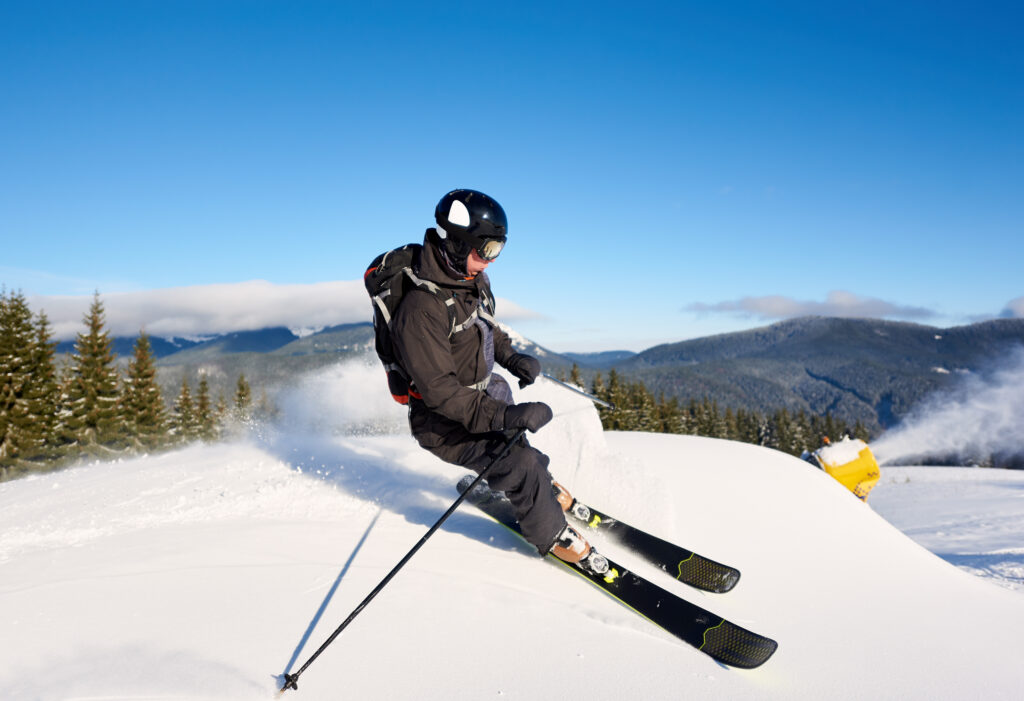
Sweden, a Nordic gem, offers an exceptional experience for skiers and snowboarders seeking pristine snow and diverse terrain. Renowned for its extensive wilderness and picturesque landscapes, Sweden caters to both seasoned experts and enthusiastic beginners. The country’s unique combination of traditional Scandinavian charm and modern amenities ensures a memorable trip for all winter sports aficionados. From bustling ski resorts with state-of-the-art facilities to serene, untouched backcountry, Sweden provides an ideal backdrop for your next snowy adventure.
Sweden is situated in Northern Europe, sharing borders with Norway to the west and Finland to the northeast. Its geography is marked by a mix of coastal plains, rolling hills, and mountain ranges, with the Scandinavian Mountains in the west offering some of the best skiing opportunities. The northern region, particularly Swedish Lapland, is famous for its Arctic Circle location, ensuring long, snowy winters and optimal skiing conditions. This diverse topography guarantees a range of skiing experiences, from gentle slopes to challenging off-piste adventures.The country’s extensive network of rivers and lakes, alongside its dense forests, provides a stunning backdrop for winter sports. The snow season typically starts in November and lasts until May in the northern regions, giving ample time for skiers and snowboarders to enjoy the slopes. With well-maintained ski resorts scattered throughout, Sweden’s varied landscape offers something for every level of skier and snowboarder.
The ideal time to visit Sweden for skiing and snowboarding is between December and April. During this period, the country experiences its prime winter season, with reliable snowfall and well-groomed slopes. December to February is perfect for those looking to experience a winter wonderland, with plenty of snow and festive activities. This is also the time when the northern lights are most visible, adding an extra layer of magic to your trip.March to April offers longer days and slightly warmer temperatures, making it an excellent time for families and those who prefer milder weather. The spring sun ensures pleasant skiing conditions and more daylight hours to enjoy the slopes. Additionally, the end-of-season deals at many resorts can make this period more affordable for budget-conscious travelers.Visiting outside these months, while still possible in some higher-altitude areas, may not guarantee the best skiing conditions. Early-season and late-season visitors should check resort conditions and weather forecasts to ensure a worthwhile trip.
Sweden is a member of the Schengen Area, meaning travelers from Schengen countries do not need a visa for stays of up to 90 days. Visitors from non-Schengen countries should check specific visa requirements, as these can vary. Generally, a short-stay Schengen visa is required, which allows travel within the entire Schengen Zone.Applicants for a Schengen visa must provide a valid passport, proof of travel insurance, evidence of sufficient financial means, and details of accommodation and travel plans. It’s recommended to apply well in advance of your planned travel dates, as processing times can vary.For longer stays or special circumstances, additional permits or visas may be necessary. It’s essential to consult the Swedish consulate or embassy in your home country for the most accurate and up-to-date information.
Sweden is accessible via several international airports, with Stockholm Arlanda Airport (ARN) being the largest and most connected. Direct flights from major cities across Europe, Asia, and North America make reaching Sweden relatively straightforward. Other notable airports include Gothenburg Landvetter Airport (GOT) and Malmö Airport (MMX), offering additional options for travelers.Train travel is another convenient way to reach Sweden, especially from neighboring Scandinavian countries and other parts of Europe. The extensive rail network connects Sweden with Denmark, Norway, and Germany, providing scenic and comfortable travel options. Ferries from Finland, Denmark, Germany, and Poland also offer a unique way to arrive, combining travel with a picturesque journey across the Baltic Sea.For those traveling by car, Sweden’s road network is well-maintained, and crossing borders from neighboring countries is typically straightforward. Ensure your vehicle is equipped for winter driving conditions, as snow and ice are common during the ski season.
Sweden boasts a variety of ski and snowboard resorts, each offering unique experiences. Åre, the largest and most popular resort, provides over 100 kilometers (62 miles) of slopes and world-class facilities. Known for hosting international competitions, Åre caters to all skill levels, from beginners to advanced skiers. Its vibrant village offers a range of dining, shopping, and nightlife options, making it a favorite among visitors.Sälen, another top destination, consists of several interconnected ski areas, offering a total of over 100 kilometers (62 miles) of trails. Ideal for families and beginners, Sälen provides gentle slopes, excellent ski schools, and a variety of child-friendly activities. The resort’s extensive network of cross-country skiing trails is also a significant draw for enthusiasts of this discipline.For those seeking a more remote and authentic experience, Riksgränsen, located above the Arctic Circle, offers skiing well into the summer months. Famous for its off-piste opportunities and stunning natural scenery, Riksgränsen attracts advanced skiers and snowboarders looking for a challenge. The resort’s unique location also makes it one of the best places to witness the northern lights.
Sweden’s ski resorts are well-equipped with rental shops offering a wide range of skiing and snowboarding gear. Åre and Sälen, being major resorts, have numerous rental outlets providing everything from skis and snowboards to helmets and protective gear. Whether you’re a beginner needing basic equipment or an expert looking for high-performance gear, you’ll find plenty of options.For those visiting smaller or more remote resorts, it’s advisable to rent equipment in advance or in nearby towns to ensure availability. Rental prices are generally reasonable, but costs can vary depending on the quality and type of equipment. Many rental shops offer package deals, including skis, boots, poles, and helmets, which can be a cost-effective option.In addition to rentals, most resorts have well-stocked sports shops where you can purchase equipment, accessories, and clothing. These shops often carry leading brands and offer expert advice, ensuring you have the right gear for your skiing or snowboarding needs.
Sweden offers excellent opportunities for backcountry and off-piste skiing, particularly in the northern regions and the Scandinavian Mountains. Åre and Riksgränsen are renowned for their off-piste terrain, attracting advanced skiers and snowboarders seeking untouched powder and challenging descents. These areas offer guided tours, ensuring safety and providing local knowledge to enhance your experience.Safety is paramount when venturing into backcountry areas. It’s essential to be equipped with proper safety gear, including avalanche transceivers, shovels, and probes. Knowledge of avalanche safety and terrain assessment is crucial, and it’s highly recommended to hire a local guide. Sweden has a robust system of mountain guides and ski schools offering specialized off-piste and backcountry courses.For those seeking a truly remote adventure, Swedish Lapland provides vast, unspoiled wilderness. Heli-skiing and ski touring are popular activities, offering access to otherwise unreachable terrain. The pristine snow and stunning Arctic landscapes make for an unforgettable experience, but proper preparation and respect for the natural environment are essential.
Sweden offers a wide range of accommodation options to suit all budgets and preferences. In major resorts like Åre and Sälen, you’ll find everything from luxury hotels and chalets to budget-friendly hostels and holiday apartments. Many accommodations are ski-in/ski-out, providing convenient access to the slopes and other resort facilities.For a more traditional experience, consider staying in a cozy cabin or cottage. These accommodations, often located in scenic areas, offer a rustic charm and the opportunity to enjoy the Swedish countryside. Many cabins come equipped with modern amenities, including kitchens and saunas, ensuring a comfortable stay.In addition to resort-based accommodations, Sweden’s cities and towns offer numerous lodging options. Staying in nearby towns can be a cost-effective alternative, with the added benefit of exploring local culture and attractions. Whether you prefer a luxury hotel in Stockholm or a quaint bed and breakfast in a small village, you’re sure to find suitable lodging for your ski trip.
Swedish cuisine is a delightful blend of traditional flavors and modern culinary techniques. Ski resorts often feature a range of dining options, from fine dining restaurants to casual cafes and cozy mountain huts. Traditional dishes like meatballs, gravlax (cured salmon), and renskav (sautéed reindeer) are commonly found on menus, offering a taste of local culture.In major resorts like Åre and Sälen, you’ll find a diverse array of international cuisine, catering to all tastes and dietary preferences. Many restaurants prioritize locally sourced ingredients, ensuring fresh and high-quality meals. Après-ski dining is a highlight, with warm and hearty meals providing the perfect end to a day on the slopes.For a unique culinary experience, try a traditional Swedish fika, a coffee break accompanied by pastries like cinnamon buns (kanelbullar). Mountain huts and cafes often serve these treats, along with hot chocolate and other beverages. Embracing local dining customs adds an extra layer of enjoyment to your ski trip.
Sweden’s extensive and efficient transportation network makes getting around the country relatively easy. For those staying in major ski resorts, shuttle services and ski buses provide convenient connections between accommodations, ski lifts, and nearby towns. These services are often included in the cost of your lift pass or accommodation.Renting a car is a popular option for exploring multiple ski areas or for those staying in remote locations. Swedish roads are well-maintained, but winter driving conditions can be challenging. Ensure your vehicle is equipped with winter tires, and familiarize yourself with local driving regulations. Parking is generally available at ski resorts, though it can be limited during peak season.For longer distances, Sweden’s rail network is a comfortable and scenic way to travel. Trains connect major cities with ski regions, and sleeper trains offer a convenient overnight option. Domestic flights are also available, with several airlines operating routes to northern Sweden. Whichever mode of transport you choose, planning ahead and considering the weather conditions will ensure a smooth journey.
Sweden’s extensive and efficient transportation network makes getting around the country relatively easy. For those staying in major ski resorts, shuttle services and ski buses provide convenient connections between accommodations, ski lifts, and nearby towns. These services are often included in the cost of your lift pass or accommodation.Renting a car is a popular option for exploring multiple ski areas or for those staying in remote locations. Swedish roads are well-maintained, but winter driving conditions can be challenging. Ensure your vehicle is equipped with winter tires, and familiarize yourself with local driving regulations. Parking is generally available at ski resorts, though it can be limited during peak season.For longer distances, Sweden’s rail network is a comfortable and scenic way to travel. Trains connect major cities with ski regions, and sleeper trains offer a convenient overnight option. Domestic flights are also available, with several airlines operating routes to northern Sweden. Whichever mode of transport you choose, planning ahead and considering the weather conditions will ensure a smooth journey.
The currency in Sweden is the Swedish Krona (SEK). While credit and debit cards are widely accepted, it’s advisable to carry some cash, especially when visiting smaller towns or remote areas. ATMs are readily available in cities and major resorts, making it easy to withdraw cash as needed.Contactless payments are common, and mobile payment apps like Swish are widely used by locals. Most restaurants, shops, and accommodations accept card payments, but it’s always good to check in advance. Tipping is not obligatory in Sweden, but rounding up the bill or leaving a small tip for exceptional service is appreciated.When exchanging currency, it’s best to do so at banks or official exchange offices to get the most favorable rates. Avoid exchanging money at airports or hotels, as these often have higher fees and less favorable rates.
The official language of Sweden is Swedish, but English is widely spoken, especially in tourist areas and among younger Swedes. Most resort staff, guides, and service personnel are fluent in English, making communication easy for international visitors. Signs and information at major resorts and tourist attractions are often available in both Swedish and English.Learning a few basic Swedish phrases can enhance your experience and is appreciated by locals. Simple greetings, thank you (tack), and please (snälla) are always helpful. Many Swedes enjoy practicing their English with visitors, so don’t hesitate to engage in conversation.For those who wish to stay connected, Sweden has excellent mobile and internet coverage. Free Wi-Fi is commonly available in hotels, cafes, and public areas. Purchasing a local SIM card or using international roaming services can ensure you stay connected throughout your trip.
Sweden’s rich cultural heritage and stunning natural landscapes offer plenty of attractions beyond skiing and snowboarding. In addition to winter sports, visitors can enjoy activities like ice fishing, dog sledding, and snowshoeing. Exploring the local culture and traditions adds depth to your trip, whether it’s visiting a traditional Sami village in Lapland or attending a local festival.Swedish cities like Stockholm, Gothenburg, and Malmö offer a mix of historical sites, modern attractions, and vibrant nightlife. Museums, art galleries, and historic buildings provide insight into Sweden’s past and present. Don’t miss the chance to visit the Vasa Museum in Stockholm, home to a well-preserved 17th-century warship.For nature enthusiasts, Sweden’s national parks and nature reserves are a must-visit. Places like Abisko National Park offer breathtaking scenery and the chance to see the northern lights. Whether you’re interested in outdoor adventures or cultural experiences, Sweden has something to offer every traveler.
Sweden has a reputation for being a safe and well-regulated country, but it’s essential to be aware of local laws and regulations. Drinking alcohol in public places is generally prohibited, and the legal drinking age is 18 for purchasing alcohol in bars and restaurants, and 20 for purchasing from state-run liquor stores (Systembolaget).Smoking is banned in all indoor public places, including restaurants, bars, and hotels. Designated smoking areas are available outside, so be sure to follow these rules. Drug laws are strict, and possession or use of illegal substances can result in severe penalties.When skiing or snowboarding, adhering to resort rules and safety guidelines is crucial. Always follow marked trails and respect closed-off areas. Wearing a helmet is strongly recommended, and some resorts may require it. By understanding and following these regulations, you’ll ensure a safe and enjoyable trip.
Safety is a priority when enjoying winter sports in Sweden. Always ski or snowboard within your abilities and be aware of changing weather conditions. Carrying a small first aid kit and knowing basic first aid can be beneficial. In case of an emergency, dial 112 for police, fire, or medical assistance.Ski resorts have patrol teams and rescue services on standby. Familiarize yourself with the location of emergency services and information points at the resort. Carrying a charged mobile phone and a map of the resort can be useful in case you get lost or need assistance.Travel insurance that covers winter sports is essential. Ensure your policy includes medical coverage, emergency evacuation, and coverage for equipment loss or damage. Having comprehensive insurance provides peace of mind and financial protection in case of accidents or unforeseen events.
Before traveling to Sweden, ensure you have comprehensive health and travel insurance. This should cover medical expenses, emergency evacuation, and winter sports activities. Check that your policy includes coverage for skiing and snowboarding, as well as any additional activities you plan to participate in.Sweden has a high standard of healthcare, and emergency services are efficient and well-equipped. In case of medical emergencies, you can access public healthcare facilities, but having insurance ensures you are covered for any costs. It’s also advisable to carry your European Health Insurance Card (EHIC) if you are from an EU/EEA country, as this provides access to necessary medical treatment under the same conditions as residents.Additionally, check if your insurance covers trip cancellations, delays, and loss or theft of personal belongings. Being well-prepared with the right insurance ensures a worry-free and enjoyable skiing and snowboarding experience in Sweden.