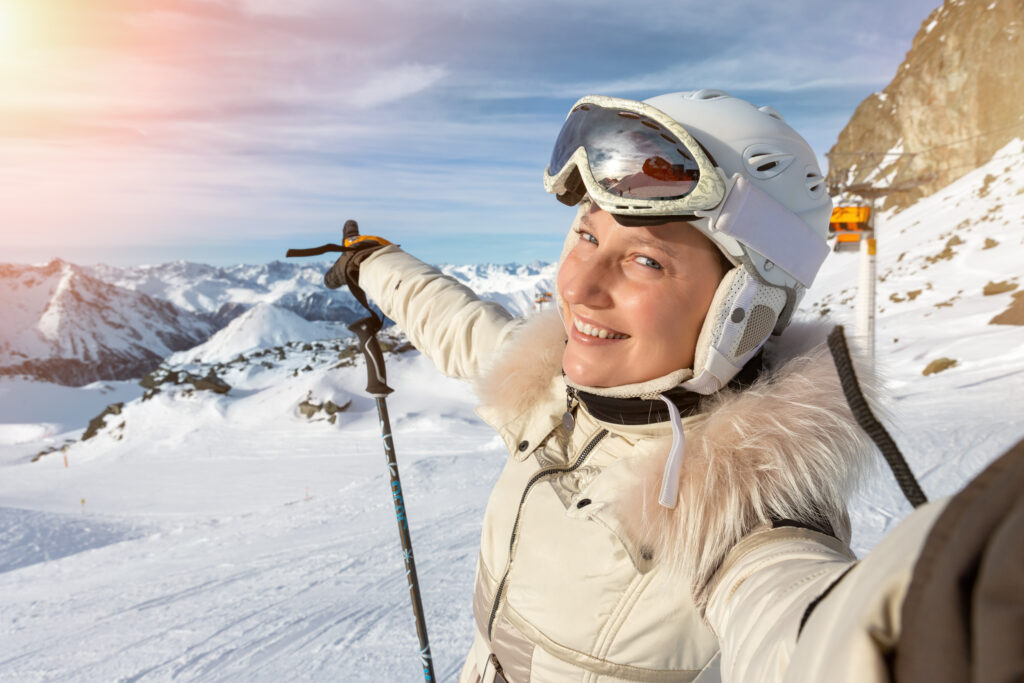
Switzerland, renowned for its majestic Alps and pristine landscapes, is a haven for skiers and snowboarders from around the globe. This alpine paradise offers a unique blend of breathtaking mountain scenery, world-class ski resorts, and a rich cultural heritage, making it an unparalleled destination for winter sports enthusiasts. Whether you’re a seasoned skier seeking thrilling runs or a beginner eager to hit the slopes for the first time, Switzerland provides an unforgettable experience with its diverse terrain and exceptional facilities.
Switzerland is a landlocked country in the heart of Europe, bordered by France, Germany, Austria, Italy, and Liechtenstein. Its geography is dominated by the Alps, which cover about 60% of the country’s area, offering some of the most spectacular and challenging skiing terrain in the world. The Swiss Alps are divided into several regions, each with its unique charm and characteristics, from the famous Matterhorn in Zermatt to the picturesque valleys of the Engadin.The country’s central location and well-developed transportation network make it easily accessible from all parts of Europe. Major cities such as Zurich, Geneva, and Bern serve as gateways to the alpine resorts, with efficient train and bus services connecting visitors to their desired destinations. The diverse topography includes towering peaks, deep valleys, and expansive glaciers, providing a variety of skiing experiences suitable for all skill levels.Switzerland’s climate varies significantly due to its altitude and regional differences. The higher alpine regions experience long, cold winters with abundant snowfall, creating ideal conditions for skiing and snowboarding. Lower-lying areas enjoy milder winters, with the possibility of snow in the valleys enhancing the scenic beauty and offering additional winter activities.
The best time to visit Switzerland for skiing and snowboarding is during the winter season, which typically runs from late November to early April. This period guarantees the most reliable snow conditions, with December to March being the peak months for snowfall and optimal skiing conditions. The holiday season around Christmas and New Year is particularly popular, attracting many visitors with festive celebrations and well-groomed pistes.For those looking to avoid the crowds, January and February offer excellent conditions with slightly fewer tourists, allowing for a more relaxed and enjoyable experience on the slopes. During these months, the snow is at its best, and the weather is generally stable, providing plenty of sunny days for perfect skiing and snowboarding. The higher altitude resorts, such as Zermatt and Verbier, often extend their seasons into late spring, offering opportunities for skiing as late as May.Spring skiing in March and April can also be a delightful experience, with longer days and warmer temperatures. This period is ideal for those who enjoy combining winter sports with other outdoor activities like hiking and sunbathing in the crisp mountain air. However, it is essential to check snow conditions and resort opening dates as they can vary depending on the weather and snowfall.
Travelers from many countries can enter Switzerland for short stays of up to 90 days without a visa, thanks to its participation in the Schengen Agreement. This includes visitors from the European Union, the United States, Canada, Australia, and several other nations. It is essential to check the specific entry requirements based on your nationality before planning your trip, as regulations can change.For those requiring a visa, the process involves applying through a Swiss embassy or consulate in your home country. The application typically requires proof of accommodation, travel insurance, sufficient funds for the duration of the stay, and a valid passport. Processing times can vary, so it is advisable to apply well in advance of your planned departure date.Upon arrival in Switzerland, ensure that your passport is valid for at least three months beyond your intended departure date. Additionally, visitors should be prepared to show proof of return or onward travel and sufficient funds to support their stay. It is also recommended to have travel insurance that covers medical expenses and winter sports activities, as skiing and snowboarding can involve risks.
Switzerland is well-connected to the rest of the world, with several international airports serving as key entry points. Zurich Airport, Geneva Airport, and Basel-Mulhouse Airport are the primary gateways, offering numerous flights from major cities across Europe, North America, and Asia. These airports provide excellent onward connections to the country’s ski resorts via train, bus, or car rental services.The Swiss Federal Railways (SBB) operates an extensive and efficient train network that makes it easy to reach ski destinations. High-speed trains and scenic regional routes connect major cities to resort towns, ensuring a comfortable and picturesque journey. For example, the Glacier Express, known as one of the most beautiful train rides in the world, links Zermatt and St. Moritz, passing through stunning alpine landscapes.Driving to Switzerland is also a viable option, especially for visitors from neighboring countries. The country’s well-maintained road network and scenic routes make for a pleasant drive, though winter tires and snow chains are recommended during the ski season. Once in Switzerland, rental cars are readily available at airports and major cities, providing flexibility and convenience for reaching more remote resorts.
Switzerland boasts a plethora of world-class ski resorts, each offering unique experiences for skiers and snowboarders of all levels. Zermatt, located at the foot of the iconic Matterhorn, is renowned for its extensive slopes, luxury accommodations, and vibrant après-ski scene. With over 360 km (224 miles) of pistes and year-round skiing on the glacier, Zermatt is a top choice for avid winter sports enthusiasts.St. Moritz, one of the oldest and most prestigious resorts in the world, offers a blend of high-end amenities and stunning natural beauty. Known for hosting the Winter Olympics twice, St. Moritz provides a wide range of slopes, from beginner-friendly to challenging runs, alongside gourmet dining and upscale shopping. Its sunny weather and diverse activities make it a favored destination for both skiing and leisure.For those seeking variety, Verbier in the 4 Vallées ski area is an excellent choice. It features over 400 km (249 miles) of slopes, catering to all skill levels, with exceptional off-piste opportunities for advanced skiers and snowboarders. The resort’s vibrant nightlife, numerous bars, and live music venues ensure an exciting après-ski experience. Verbier’s location also offers easy access to neighboring resorts within the 4 Vallées.
Switzerland’s ski resorts are well-equipped with rental shops and services, ensuring that visitors can easily obtain high-quality skiing and snowboarding equipment. Major resorts like Zermatt, St. Moritz, and Verbier have numerous rental outlets, offering a wide range of gear from skis and snowboards to helmets, boots, and poles. These shops typically carry equipment for all skill levels, from beginners to advanced riders, ensuring that everyone can find suitable gear.Many rental shops offer convenient packages that include skis, boots, and poles, or snowboards and boots, allowing visitors to get everything they need in one go. Some shops also provide premium options, featuring the latest models and high-performance equipment for those looking for the best experience on the slopes. It is advisable to book rentals in advance, especially during peak season, to ensure availability and potentially secure better rates.In addition to rentals, most ski resorts have a variety of retail shops where visitors can purchase skiing and snowboarding gear, clothing, and accessories. These shops often stock top brands and the latest styles, allowing enthusiasts to update their equipment or find necessary items they may have forgotten. Knowledgeable staff can provide expert advice on equipment selection, ensuring a comfortable and enjoyable experience on the slopes.
Switzerland offers some of the best backcountry and off-piste skiing opportunities in the world, attracting adventurous skiers and snowboarders seeking untouched powder and challenging terrain. Resorts like Verbier, Andermatt, and Engelberg are particularly renowned for their off-piste potential, providing extensive areas where experienced riders can explore beyond the groomed slopes. These regions offer a mix of steep descents, open bowls, and tree runs, catering to various preferences and skill levels.For those new to backcountry skiing or looking to enhance their skills, many resorts offer guided tours and off-piste courses. Experienced guides lead groups to the best spots, ensuring safety while providing valuable insights into reading the terrain and snow conditions. These tours often include avalanche safety training, equipping participants with essential knowledge and skills for venturing into uncontrolled areas.It is crucial to note that backcountry skiing comes with inherent risks, including avalanches and rapidly changing weather conditions. Therefore, proper preparation and equipment are essential. Skiers and snowboarders should always carry avalanche transceivers, probes, and shovels, and be familiar with their use. Checking local avalanche reports and weather forecasts before heading out is also vital to ensure a safe and enjoyable experience.
Switzerland offers a wide range of accommodation options to suit every budget and preference, from luxury hotels to cozy chalets and budget-friendly hostels. In renowned resorts like Zermatt and St. Moritz, visitors can find high-end hotels offering premium services, spa facilities, and gourmet dining. These luxurious establishments often boast stunning views of the surrounding mountains and provide direct access to the slopes.For those seeking a more traditional experience, Swiss chalets are a popular choice. These charming wooden houses, often located in picturesque alpine villages, offer a cozy and authentic atmosphere. Many chalets are available for rent, providing self-catering facilities and ample space for families or groups of friends. Some even include added amenities such as hot tubs, saunas, and open fireplaces, enhancing the alpine experience.Budget-conscious travelers can find numerous hostels and guesthouses across Switzerland’s ski resorts. These accommodations offer basic yet comfortable facilities, providing an affordable base for exploring the slopes. Additionally, many resorts feature mid-range hotels and apartments, offering a balance between comfort and cost. Booking in advance, especially during peak season, is recommended to secure the best options and rates.
Swiss cuisine is a delightful aspect of any ski trip, offering a blend of traditional alpine dishes and international influences. Fondue, a quintessential Swiss dish, is a must-try experience. This communal meal involves dipping pieces of bread into a pot of melted cheese, often accompanied by pickles and potatoes. Raclette, another cheese-based specialty, features melted cheese scraped over boiled potatoes and served with pickles and onions.In addition to these iconic dishes, Switzerland boasts a variety of regional specialties. In the canton of Graubünden, visitors can savor dishes like Capuns, Swiss chard-wrapped dumplings filled with spiced meat and vegetables, or Bündner Nusstorte, a delicious nut-filled pastry. The Valais region is known for its dried meats, such as air-dried beef and cured ham, which are perfect for a hearty snack after a day on the slopes.For those looking for international cuisine, Swiss ski resorts offer a wide array of dining options, from Italian and French to Asian and Middle Eastern. Many resorts feature gourmet restaurants helmed by renowned chefs, providing exceptional dining experiences with stunning mountain views. Additionally, cozy mountain huts and restaurants scattered across the slopes offer convenient and charming spots for a midday meal or après-ski drink.
Switzerland’s transportation system is renowned for its efficiency and reliability, making it easy for visitors to navigate the country and reach its ski resorts. The Swiss Travel System offers a range of passes, including the Swiss Travel Pass, which provides unlimited travel on the national rail network, buses, and boats. This pass is particularly useful for skiers and snowboarders, offering convenient access to major resorts and scenic train routes.Trains are a popular and practical mode of transportation, with the Swiss Federal Railways (SBB) operating an extensive network connecting cities, towns, and ski resorts. The Glacier Express, Bernina Express, and other scenic routes offer breathtaking journeys through the Swiss Alps, combining transportation with sightseeing. Regional trains and buses provide additional connectivity, ensuring that even remote resorts are accessible.For those who prefer driving, Switzerland’s well-maintained road network and scenic routes make for a pleasant journey. Rental cars are available at major airports and cities, offering flexibility and convenience. However, winter driving conditions can be challenging, so it’s essential to equip vehicles with winter tires and carry snow chains. Additionally, most ski resorts offer shuttle services and ski buses, providing easy access from nearby towns and accommodations.
Switzerland’s transportation system is renowned for its efficiency and reliability, making it easy for visitors to navigate the country and reach its ski resorts. The Swiss Travel System offers a range of passes, including the Swiss Travel Pass, which provides unlimited travel on the national rail network, buses, and boats. This pass is particularly useful for skiers and snowboarders, offering convenient access to major resorts and scenic train routes.Trains are a popular and practical mode of transportation, with the Swiss Federal Railways (SBB) operating an extensive network connecting cities, towns, and ski resorts. The Glacier Express, Bernina Express, and other scenic routes offer breathtaking journeys through the Swiss Alps, combining transportation with sightseeing. Regional trains and buses provide additional connectivity, ensuring that even remote resorts are accessible.For those who prefer driving, Switzerland’s well-maintained road network and scenic routes make for a pleasant journey. Rental cars are available at major airports and cities, offering flexibility and convenience. However, winter driving conditions can be challenging, so it’s essential to equip vehicles with winter tires and carry snow chains. Additionally, most ski resorts offer shuttle services and ski buses, providing easy access from nearby towns and accommodations.
Switzerland’s official currency is the Swiss Franc (CHF), often referred to as the “Franc.” Banknotes are available in denominations of 10, 20, 50, 100, 200, and 1,000 CHF, while coins come in 5, 10, 20, and 50 Rappen, and 1, 2, and 5 Francs. Despite being a high-cost country, Switzerland offers a range of options to suit different budgets, from luxury experiences to more affordable alternatives.Credit and debit cards are widely accepted throughout Switzerland, including in ski resorts, hotels, restaurants, and shops. Major cards such as Visa, MasterCard, and American Express are commonly used, and many places also accept contactless payments. ATMs are readily available, allowing visitors to withdraw cash in Swiss Francs, though it’s advisable to inform your bank of your travel plans to avoid any issues with card usage.For those preferring to use cash, it’s practical to carry small denominations for minor expenses and tips. Currency exchange services are available at airports, banks, and exchange offices, though using ATMs usually offers better exchange rates. It’s also worth noting that some establishments in tourist areas may accept Euros, but change will typically be given in Swiss Francs.
Switzerland has four official languages: German, French, Italian, and Romansh. The language spoken depends on the region, with German being the most widely spoken, followed by French and Italian. In the major ski resorts, English is commonly understood and spoken, especially in tourist services such as hotels, restaurants, and shops. This makes communication relatively easy for international visitors.German is predominant in the central and eastern parts of Switzerland, including resorts like Zermatt, St. Moritz, and Davos. French is spoken in the western regions, such as in Verbier and Villars, while Italian is used in the southern region of Ticino. Romansh, a lesser-known language, is spoken in some parts of the canton of Graubünden. Most signs and public information are provided in multiple languages, reflecting the country’s linguistic diversity.For those looking to enhance their communication skills, learning a few basic phrases in the local language can be appreciated by locals and enhance the travel experience. Phrases like “Grüezi” (hello) in German, “Bonjour” in French, and “Buongiorno” in Italian are simple yet friendly greetings. Many Swiss people are multilingual, and switching between languages is common, especially in the hospitality industry.
Switzerland’s rich cultural heritage and stunning natural landscapes offer plenty of attractions and activities beyond skiing and snowboarding. The country is home to numerous historic towns, vibrant cities, and cultural landmarks that provide a glimpse into its history and traditions. In addition to the winter sports, visitors can enjoy museums, galleries, and festivals that showcase Swiss art, music, and folklore.Zermatt, with its iconic Matterhorn, offers more than just skiing. The Matterhorn Museum provides insights into the region’s mountaineering history, while Gornergrat offers breathtaking panoramic views accessible by cogwheel train. St. Moritz, known for its glamorous ambiance, hosts events like the White Turf horse races on the frozen lake, attracting visitors from around the world.For a more urban experience, cities like Zurich, Geneva, and Bern offer a blend of modernity and tradition. Zurich, the largest city, boasts a vibrant arts scene, shopping districts, and a picturesque old town. Geneva, home to numerous international organizations, features beautiful lakeside promenades and the iconic Jet d’Eau. Bern, the capital, is known for its well-preserved medieval architecture and charming old town, a UNESCO World Heritage site.
Tourists in Switzerland are subject to the country’s laws and regulations, which are strictly enforced to ensure safety and order. It’s important to be aware of and adhere to these laws to avoid any legal issues during your visit. For instance, jaywalking is illegal, and pedestrians are expected to use designated crossings. Littering and smoking in non-designated areas are also prohibited, with fines imposed for violations.In the context of skiing and snowboarding, following resort rules and safety guidelines is crucial. Skiers and snowboarders must adhere to the FIS (International Ski Federation) rules, which include respecting other skiers, controlling speed and direction, and observing signs and markings. Wearing a helmet is highly recommended, and in some resorts, it may be mandatory for children.Switzerland has strict regulations regarding drugs and alcohol. Possession and use of illegal drugs are criminal offenses, and penalties can be severe. The legal drinking age is 16 for beer and wine, and 18 for spirits. Drinking in public places is generally accepted, but excessive drinking and disruptive behavior are not tolerated. It’s advisable to be mindful of local customs and regulations to ensure a pleasant stay.
Safety is a top priority when skiing or snowboarding in Switzerland. The country’s ski resorts maintain high safety standards, but it’s essential for visitors to take personal precautions. Always check weather forecasts and avalanche warnings before heading out, and avoid skiing in closed areas or off-piste without proper equipment and knowledge. Wearing appropriate gear, including helmets and layers for changing weather conditions, is crucial.In case of emergencies, Switzerland has a well-organized emergency response system. The general emergency number is 112, which can be dialed for immediate assistance. Additionally, the Swiss Alpine Club (SAC) operates a mountain rescue service, providing specialized help for accidents and emergencies in alpine regions. Ski patrols and resort staff are also available to assist with injuries and emergencies on the slopes.Having comprehensive travel insurance that covers medical expenses, accidents, and winter sports activities is highly recommended. This ensures that you are covered in case of injuries or other unexpected incidents. Familiarize yourself with the location of the nearest medical facilities and keep important contact numbers handy. Staying informed and prepared helps ensure a safe and enjoyable skiing or snowboarding trip in Switzerland.
Health and travel insurance are essential considerations when planning a ski or snowboard trip to Switzerland. The country’s high-quality healthcare system provides excellent medical services, but treatment costs can be expensive for tourists without insurance. Comprehensive travel insurance that covers medical expenses, accidents, and winter sports activities is crucial to avoid unexpected financial burdens.Travel insurance should include coverage for emergency medical treatment, hospitalization, and evacuation if necessary. Given the risks associated with skiing and snowboarding, ensuring your policy includes winter sports coverage is vital. This typically covers injuries sustained on the slopes, including the cost of rescue operations, which can be significant in mountainous areas.In addition to medical coverage, travel insurance should also provide protection for trip cancellations, delays, lost luggage, and theft. This comprehensive approach ensures peace of mind, allowing you to fully enjoy your winter sports adventure. Before purchasing insurance, review the policy details carefully, including coverage limits and exclusions, to ensure it meets your needs and provides adequate protection during your stay in Switzerland.