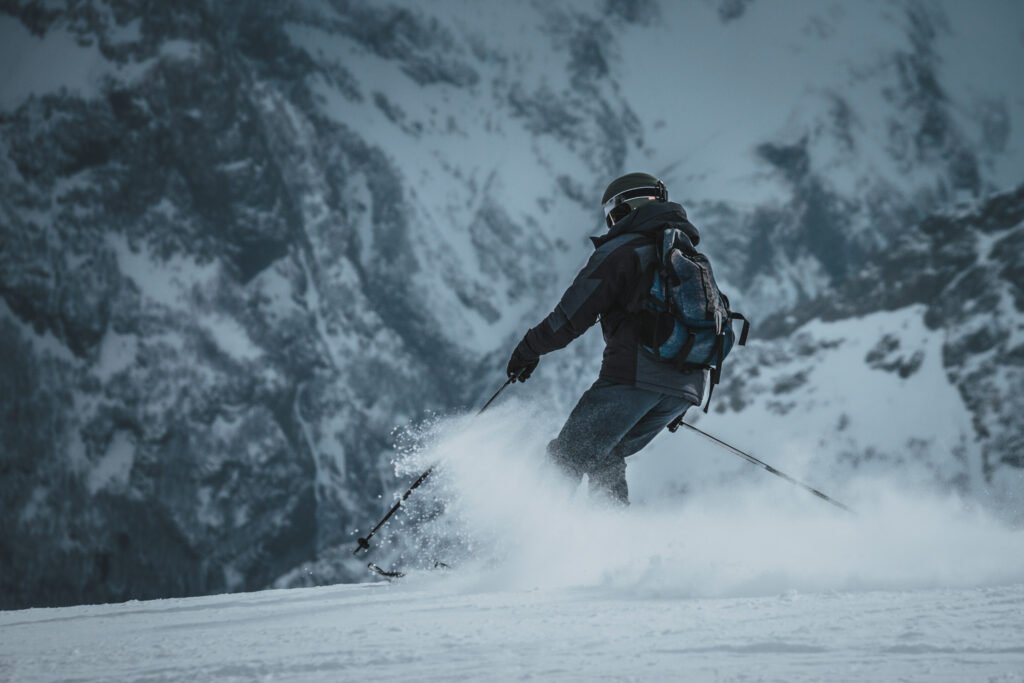
Syria may not be the first destination that comes to mind when planning a ski or snowboard trip, but this country offers unique experiences for winter sports enthusiasts. Nestled in the Middle East, Syria boasts a fascinating history, rich culture, and surprisingly, excellent skiing opportunities. The majestic Mount Hermon provides a stunning backdrop for a thrilling adventure on the slopes. With fewer crowds and unspoiled natural beauty, Syria offers an intriguing alternative to the well-trodden European and North American ski destinations. This guide aims to provide all the essential information for planning an unforgettable ski or snowboard trip to Syria, from the best times to visit to practical tips on navigating the country.
Syria is located in Western Asia, bordered by Turkey to the north, Iraq to the east, Jordan to the south, Israel and Lebanon to the southwest, and the Mediterranean Sea to the west. The country’s diverse landscape includes coastal plains, mountains, and deserts. The Anti-Lebanon mountain range, which runs along the border with Lebanon, is home to Mount Hermon, the highest peak in Syria, standing at 2,814 meters (9,232 feet). This mountain is a key destination for skiing and snowboarding, providing breathtaking views and challenging terrain.
The geographical diversity of Syria means that, within a few hours’ drive, one can experience the snowy peaks of Mount Hermon and the historic cities like Damascus and Aleppo. This unique blend of geography offers visitors a chance to enjoy both winter sports and cultural exploration. The proximity to the Mediterranean Sea also influences the climate, contributing to the snowfall in the mountainous regions.
The best time to visit Syria for skiing and snowboarding is between December and March when the snowfall is at its peak. During these months, the temperatures are cold enough to ensure a good snow base on the slopes of Mount Hermon. January and February are particularly ideal, as these months typically see the heaviest snowfall, providing the best conditions for winter sports enthusiasts.
While the winter season is the prime time for skiing, it’s also worth noting that Syria’s ski resorts are less crowded compared to more famous destinations. This means shorter lift lines and more space on the slopes, allowing for a more relaxed and enjoyable experience. It’s important to check the weather forecasts and snow reports before planning your trip to ensure optimal conditions for skiing and snowboarding.
Spring, from late March to April, can also be a pleasant time to visit, especially for those who prefer milder temperatures and softer snow. However, the snow cover may be less reliable, so early-season visits are generally recommended for the best skiing experience.
Visitors to Syria must obtain a visa prior to arrival. The process involves submitting an application to the Syrian embassy or consulate in your home country. It is advisable to start this process well in advance of your planned travel dates, as processing times can vary. Be prepared to provide a passport-sized photo, a completed application form, and proof of your travel itinerary. Some nationalities may face additional requirements, so it’s essential to check with the nearest Syrian diplomatic mission for specific details.
It’s important to ensure that your passport is valid for at least six months beyond your planned stay in Syria. Entry may be denied if your passport is set to expire within this period. Additionally, keep in mind that some countries may have restrictions or advisories against travel to Syria, so it’s wise to review your home country’s travel advisories before making any arrangements.
Upon arrival in Syria, travelers are usually required to register with local authorities. This process is typically handled by the hotel where you are staying. Always carry a copy of your passport and visa with you, as you may need to present them at checkpoints or during interactions with local officials.
Reaching Syria involves a bit of planning, especially given the current geopolitical climate. The primary international gateway is Damascus International Airport, which serves flights from various regional carriers. Direct flights to Damascus are available from major cities in the Middle East, such as Beirut, Dubai, and Cairo. From Europe or North America, travelers typically connect through these hubs.
Once you arrive in Damascus, the capital city, it’s relatively easy to arrange ground transportation to the ski areas. Rental cars, taxis, and private transfers are available at the airport. Given the mountainous terrain, it’s advisable to rent a vehicle with four-wheel drive if you plan to drive yourself to the ski resorts. Alternatively, private transfer services can provide a more comfortable and hassle-free journey.
For those preferring public transportation, buses and shared taxis (known as “service”) operate between major cities and towns. While these can be a cost-effective way to travel, they may not always offer the convenience and comfort needed for transporting ski equipment. Planning ahead and considering the most suitable mode of transportation for your needs will ensure a smoother travel experience.
Mount Hermon stands out as the premier destination for skiing and snowboarding in Syria. The slopes offer a range of terrain suitable for all skill levels, from beginner to advanced. The resort features several well-maintained runs, providing a variety of challenges and scenic descents. The higher altitude ensures good snow cover during the peak season, making it an excellent choice for winter sports enthusiasts.
In addition to Mount Hermon, smaller ski areas can be found in the Anti-Lebanon range. These resorts may not have the same extensive facilities but offer a more intimate and off-the-beaten-path experience. They are ideal for those looking to escape the crowds and enjoy pristine natural settings. The local ski clubs often maintain these areas, providing a community-driven atmosphere.
While Syria’s ski resorts are relatively modest compared to those in Europe or North America, they compensate with their unique charm and the opportunity to explore an unconventional destination. The resorts typically have basic amenities, including ski lifts, rental shops, and cozy lodges where you can warm up after a day on the slopes.
Skiers and snowboarders visiting Syria will find a number of rental shops and equipment providers, particularly in the vicinity of Mount Hermon. These shops offer a range of gear, including skis, snowboards, boots, and poles. It’s advisable to book your rentals in advance, especially during the peak season, to ensure availability and avoid any last-minute hassles.
The rental shops cater to various levels of expertise, from beginners to advanced skiers and snowboarders. They provide equipment from well-known international brands, ensuring quality and safety. In addition to standard gear, many shops offer accessories such as helmets, goggles, and protective clothing, which can be essential for a comfortable and safe skiing experience.
For those who prefer to bring their own equipment, there are shops that provide maintenance and repair services. Whether you need a quick tune-up, waxing, or more extensive repairs, the local experts are well-equipped to handle your needs. This can be particularly useful if you encounter any issues with your gear during your stay.
Syria offers enticing opportunities for backcountry and off-piste skiing, particularly around the Mount Hermon area. The rugged terrain and abundant snowfall create an ideal environment for adventurous skiers and snowboarders seeking untouched powder and challenging descents. The remote locations also provide stunning natural beauty and a sense of solitude that is hard to find in more commercialized ski destinations.
However, backcountry skiing in Syria requires careful planning and consideration of safety measures. The region is known for its unpredictable weather and avalanche risks. It is crucial to have the right equipment, including avalanche transceivers, shovels, and probes, and to be proficient in using them. Skiers and snowboarders should always check the local avalanche forecast and be aware of the current conditions before heading out.
Hiring a local guide is highly recommended for those unfamiliar with the area. Local guides possess invaluable knowledge of the terrain, weather patterns, and potential hazards. They can also provide insights into the best routes and hidden spots that might not be accessible otherwise. Joining a guided tour not only enhances safety but also enriches the overall experience with local expertise and stories.
Accommodation options for skiers and snowboarders in Syria range from cozy mountain lodges to comfortable hotels in nearby towns. Close to Mount Hermon, you will find a selection of lodges and guesthouses that cater specifically to winter sports enthusiasts. These accommodations often offer convenient access to the slopes, as well as amenities such as equipment storage, drying rooms, and communal lounges where you can relax after a day on the snow.
In the nearby town of Bloudan, there are several hotels that provide a higher level of comfort and service. These hotels often feature restaurants, spas, and other facilities to make your stay more enjoyable. The town’s proximity to the ski areas makes it a convenient base for your skiing or snowboarding adventures while offering more extensive dining and entertainment options.
For those seeking a more authentic experience, homestays and traditional guesthouses are also available. Staying with local families can provide deeper insights into Syrian culture and hospitality. These accommodations may be more basic but offer a warm and welcoming atmosphere that adds a unique dimension to your trip.
Syrian cuisine is renowned for its rich flavors and diverse influences, making dining a delightful part of your ski trip. In the ski resorts and nearby towns, you’ll find a variety of restaurants offering both traditional Syrian dishes and international fare. Meals often feature fresh ingredients, aromatic spices, and generous portions, providing a satisfying end to a day on the slopes.
Must-try dishes include kebabs, hummus, baba ghanoush, and tabbouleh. Syrian meals often start with an array of mezes, small appetizer plates that can easily make a meal on their own. For heartier fare, try the famous Syrian lamb dishes, such as shawarma or kibbeh, a savory meat and bulgur wheat dish. Desserts like baklava and knafeh provide a sweet conclusion to your culinary exploration.
For those looking for quick and convenient meals, many ski lodges and hotels offer dining options with menus tailored to the tastes of international visitors. Whether you’re in the mood for a traditional Syrian feast or a comforting bowl of pasta, you’ll find plenty of options to suit your palate. Don’t forget to try the local beverages, including Syrian tea and coffee, which are often served with delightful pastries.
Navigating Syria’s transportation network can be an adventure in itself, with a variety of options available to suit different needs and preferences. Rental cars provide the most flexibility, allowing you to explore the ski resorts and surrounding areas at your own pace. Four-wheel-drive vehicles are recommended for accessing mountain roads, especially during the winter months when conditions can be challenging.
Public transportation, including buses and shared taxis, offers a more economical way to travel between cities and towns. Buses are the primary mode of long-distance travel, connecting major cities like Damascus, Aleppo, and Homs. Within cities, taxis and service taxis are readily available and can be a convenient way to get around. Be sure to agree on the fare before starting your journey, as meters are not always used.
For those seeking a more comfortable and hassle-free option, private transfers and guided tours are available. These services can be arranged through hotels or travel agencies and provide a convenient way to reach the ski resorts without worrying about navigation or road conditions. Regardless of your choice, it’s essential to plan your transportation in advance, especially during the peak ski season.
Navigating Syria’s transportation network can be an adventure in itself, with a variety of options available to suit different needs and preferences. Rental cars provide the most flexibility, allowing you to explore the ski resorts and surrounding areas at your own pace. Four-wheel-drive vehicles are recommended for accessing mountain roads, especially during the winter months when conditions can be challenging.
Public transportation, including buses and shared taxis, offers a more economical way to travel between cities and towns. Buses are the primary mode of long-distance travel, connecting major cities like Damascus, Aleppo, and Homs. Within cities, taxis and service taxis are readily available and can be a convenient way to get around. Be sure to agree on the fare before starting your journey, as meters are not always used.
For those seeking a more comfortable and hassle-free option, private transfers and guided tours are available. These services can be arranged through hotels or travel agencies and provide a convenient way to reach the ski resorts without worrying about navigation or road conditions. Regardless of your choice, it’s essential to plan your transportation in advance, especially during the peak ski season.
The official currency of Syria is the Syrian pound (SYP). While cash is the predominant method of payment, credit cards are increasingly accepted in larger hotels, restaurants, and shops, particularly in major cities. However, it’s advisable to carry enough cash for smaller establishments and for use in more remote areas, including ski resorts.
ATMs are available in cities and larger towns, allowing you to withdraw Syrian pounds using your international credit or debit card. However, it’s a good idea to inform your bank of your travel plans to avoid any issues with accessing funds. Exchange rates can vary, so it’s worth shopping around for the best rates at banks or authorized currency exchange offices.
When paying with cash, ensure you have smaller denominations, as change can sometimes be difficult to obtain. Tipping is not mandatory but is appreciated in restaurants and for services like hotel porters and taxi drivers. A small tip of 5-10% is usually sufficient and can enhance your interactions with local service providers.
The official language of Syria is Arabic, and it is spoken by the majority of the population. While English is widely understood in major cities and tourist areas, particularly among younger generations and those in the hospitality industry, it may be less commonly spoken in more rural or remote areas. Learning a few basic Arabic phrases can greatly enhance your travel experience and interactions with locals.
Most signs in major cities and tourist areas are bilingual, featuring both Arabic and English. This makes navigation and understanding public information more accessible for non-Arabic speakers. Additionally, many Syrians are hospitable and willing to help visitors, so don’t hesitate to ask for assistance if needed.
For more in-depth communication needs, consider using translation apps or carrying a pocket dictionary. These tools can be especially useful in situations where language barriers might arise, such as ordering food, asking for directions, or arranging transportation. Patience and a friendly attitude will go a long way in bridging any communication gaps.
Syria’s rich cultural heritage is evident in its historic sites, bustling markets, and vibrant traditions. While skiing and snowboarding may be your primary focus, taking the time to explore the country’s cultural attractions can add depth and variety to your trip. Damascus, the capital city, is one of the oldest continuously inhabited cities in the world and offers a wealth of historical and cultural landmarks.
The Old City of Damascus is a UNESCO World Heritage site, featuring narrow winding streets, ancient mosques, and bustling souks. Key attractions include the Umayyad Mosque, one of the largest and oldest mosques in the world, and the Azm Palace, a stunning example of Ottoman architecture. Aleppo, another historic city, boasts the impressive Citadel of Aleppo and the Al-Madina Souq, one of the largest covered markets in the world.
In addition to urban attractions, Syria’s natural landscapes provide opportunities for outdoor activities beyond skiing. The ancient ruins of Palmyra, set in a desert oasis, offer a glimpse into the country’s rich history and are a must-visit for history enthusiasts. Whether exploring ancient sites or enjoying the local markets, immersing yourself in Syria’s culture can make your ski trip truly unforgettable.
Familiarizing yourself with local laws and regulations is crucial for a smooth and trouble-free visit to Syria. The legal system is based on a combination of civil, Islamic, and customary law, and certain behaviors that are acceptable in other countries may be prohibited. For instance, public displays of affection are frowned upon, and it is important to dress modestly to avoid attracting unwanted attention.
Alcohol consumption is permitted in Syria, but it is restricted to licensed establishments such as hotels, restaurants, and bars. Drinking alcohol in public places is not allowed, and it is wise to be discreet about alcohol consumption out of respect for local customs. Drug offenses are taken very seriously and can result in severe penalties, including imprisonment.
Photography is generally allowed, but it is advisable to ask for permission before taking photos of people, especially women, or sensitive sites such as military installations. In some areas, photography may be restricted altogether, so it’s important to be aware of and respect these rules. Keeping a low profile and being mindful of local regulations will help ensure a safe and enjoyable visit.
While Syria offers a unique and rewarding travel experience, it is essential to stay informed about the current security situation. Travel advisories from your home country can provide valuable guidance on safety and any areas to avoid. It’s also important to register your travel plans with your embassy or consulate upon arrival in Syria, so they can assist you in case of emergencies.
When traveling within Syria, exercise caution and stay vigilant, especially in crowded places and near political gatherings. Always carry identification and copies of your travel documents, as checkpoints are common. Staying in touch with local news and following the advice of local authorities can help you navigate any potential risks.
In case of emergencies, it is useful to have a list of important contact numbers. The general emergency number in Syria is 112, which can connect you to police, fire, or medical services. Additionally, having the contact information for your embassy or consulate, as well as your travel insurance provider, can be crucial in emergency situations. Taking these precautions will help ensure a safe and enjoyable trip.
Comprehensive health and travel insurance are essential when planning a trip to Syria. Ensure that your insurance policy covers medical emergencies, including evacuation and repatriation, as healthcare facilities in some areas may be limited. Check with your insurance provider to confirm coverage details and to understand the procedures for making a claim while abroad.
It’s advisable to carry a basic first-aid kit and any necessary medications, as pharmacies may not always have the specific medicines you require. Familiarize yourself with the location of the nearest hospital or clinic in the areas you plan to visit, and know how to access emergency medical services if needed.
Before traveling, consult with a healthcare professional to ensure that all your vaccinations are up to date. Common recommended vaccinations for travelers to Syria include hepatitis A and B, typhoid, and tetanus. Taking these health precautions and ensuring you have adequate insurance coverage will provide peace of mind and allow you to focus on enjoying your skiing or snowboarding adventure in Syria.