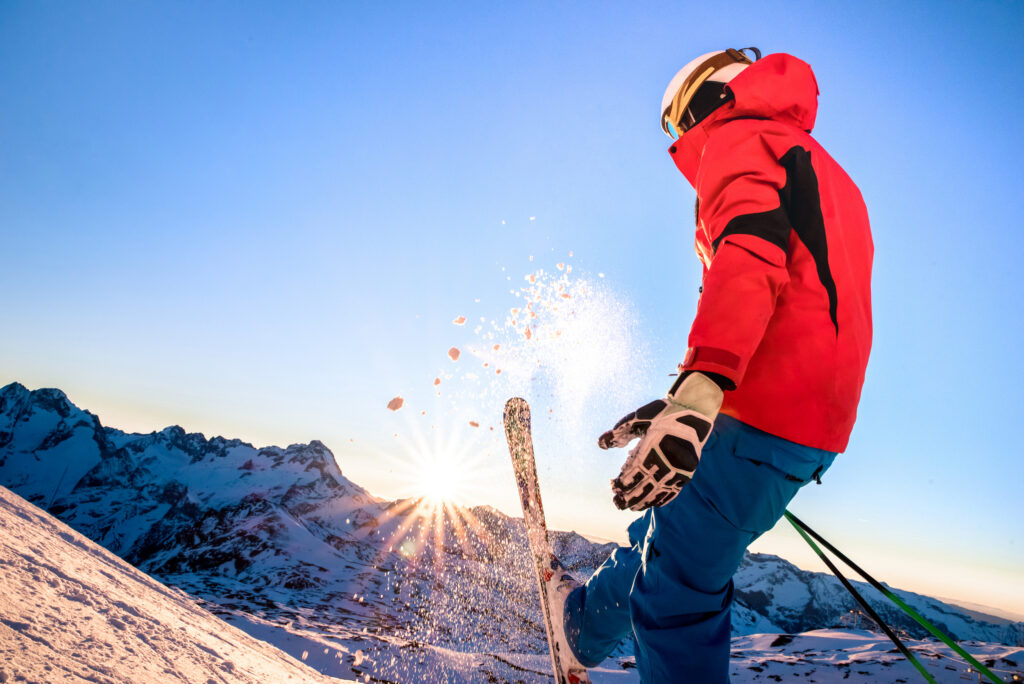
Turkey, a country renowned for its rich history and cultural heritage, also offers a fantastic array of opportunities for skiing and snowboarding enthusiasts. From the snowy peaks of the Taurus Mountains to the lesser-known gems of the Anatolian highlands, Turkey’s diverse landscape provides an exhilarating winter sports experience. Whether you’re a seasoned pro or a beginner looking to carve your first turns, the Turkish slopes have something to offer everyone.Turkey’s ski resorts are not only characterized by their impressive altitude and snow quality but also by their unique blend of European and Middle Eastern influences. This fusion is evident in the hospitality, cuisine, and overall atmosphere you’ll encounter during your visit. The warmth and friendliness of the Turkish people make the experience all the more enjoyable, ensuring that your ski trip is both memorable and enriching.Moreover, Turkey’s ski resorts are generally more affordable compared to their European counterparts, making it an attractive destination for budget-conscious travelers. The country’s growing reputation as a winter sports destination means you’ll find modern facilities and a range of accommodations to suit different tastes and budgets. In this guide, we’ll cover everything you need to know to plan the perfect ski or snowboard trip to Turkey.
Turkey is strategically located at the crossroads of Europe and Asia, with a landscape that is as diverse as its cultural heritage. The country is predominantly mountainous, with the Taurus and Pontic Mountain ranges offering some of the best skiing and snowboarding opportunities. These mountains, running parallel to the Mediterranean and Black Seas respectively, boast high peaks and substantial snowfall during the winter months.The primary ski regions are concentrated in the eastern part of the country, particularly around the city of Erzurum and the Palandöken Mountain. This area is known for its long winter season, which typically starts in November and can last until late April. Additionally, the Uludağ Mountain near Bursa and the Kartalkaya Mountain in the Bolu Province are popular ski destinations due to their accessibility from major cities like Istanbul and Ankara.Turkey’s unique geography not only provides excellent skiing conditions but also offers stunning natural beauty. Skiers and snowboarders can enjoy breathtaking views of snow-capped mountains, dense forests, and picturesque valleys. The diverse terrain caters to all levels of skiers, from gentle slopes for beginners to challenging off-piste routes for the more adventurous.
The best time to visit Turkey for skiing and snowboarding is during the winter months, from December to March. This period typically offers the most reliable snow conditions and the best weather for winter sports. January and February are particularly popular due to the high snowfall, which creates excellent powder conditions on the slopes.During these peak months, the ski resorts are bustling with activity, offering a vibrant après-ski scene and a range of events and competitions. While this is the best time for snow conditions, it’s also when accommodations and facilities are in high demand, so it’s advisable to book well in advance to secure the best options.For those looking to avoid the crowds, early December and late March can also be good times to visit. While the snow may not be as abundant as in the peak months, these shoulder seasons offer a quieter, more relaxed experience. Additionally, you may find better deals on accommodations and lift passes during these times, making it an attractive option for budget-conscious travelers.
Travelers to Turkey generally need a visa, which can often be obtained online through the e-Visa system. Citizens of many countries, including the United States, Canada, and the European Union, can apply for an e-Visa, which simplifies the entry process. It’s advisable to check the specific visa requirements for your nationality well in advance of your trip, as regulations can change.The e-Visa application process is straightforward and typically takes only a few minutes to complete. You’ll need a valid passport, a credit or debit card for the application fee, and an email address to receive your e-Visa. Once approved, print out a copy of the e-Visa or save it on your mobile device to present upon arrival in Turkey.In addition to the visa, ensure your passport is valid for at least six months beyond your intended stay. Turkish authorities are strict about this requirement, and failure to comply could result in denied entry. For longer stays or special circumstances, such as work or study, additional permits may be required, so plan accordingly.
Turkey is well-connected to major international destinations through several airports, the largest of which is Istanbul Airport. This modern hub offers flights from numerous international carriers, making it a convenient entry point for travelers. From Istanbul, domestic flights can take you to key ski destinations such as Erzurum, Kayseri, and Bursa, where many of the popular ski resorts are located.For those preferring a more scenic route, international trains and buses are also viable options, particularly from neighboring countries. The extensive rail network connects Turkey with Europe and Asia, providing a unique travel experience. However, this mode of travel is generally slower and may require additional transfers, so it is best suited for those with a flexible schedule.Once in Turkey, domestic travel is straightforward. Turkish Airlines and other local carriers offer regular flights to major cities and ski resort areas. Additionally, the country’s well-developed bus network provides an affordable and reliable means of transportation. Car rentals are also available at major airports and city centers, giving you the flexibility to explore at your own pace.
Turkey boasts a variety of ski resorts, each offering unique features and attractions. Palandöken, near Erzurum, is one of the country’s premier ski destinations. Known for its long season and excellent snow quality, Palandöken offers a range of slopes catering to all skill levels. The resort is also home to Turkey’s longest ski run, providing an exhilarating experience for advanced skiers.Uludağ, located near Bursa, is another popular resort, particularly favored by those coming from Istanbul. This resort offers a more European-style skiing experience with modern facilities, diverse slopes, and a lively après-ski scene. Uludağ is also known for its family-friendly atmosphere, making it an ideal choice for those traveling with children.For those seeking a more off-the-beaten-path experience, the resorts of Kartalkaya in the Bolu Province and Sarıkamış in the northeast offer excellent alternatives. Kartalkaya is known for its deep powder and scenic pine forests, while Sarıkamış boasts unique crystal snow and a tranquil setting. Both resorts provide a range of accommodation options, from luxury hotels to budget-friendly lodges.
Turkey’s ski resorts are well-equipped with rental shops that offer a wide range of gear for both skiing and snowboarding. Whether you’re a beginner needing basic equipment or an advanced skier looking for high-performance gear, you’ll find what you need at these facilities. Most rental shops offer packages that include skis, boots, poles, and helmets, with daily or weekly rental rates.In addition to equipment rentals, many shops also sell a variety of winter sports gear and accessories. From ski apparel to goggles and gloves, you can purchase everything you need for a comfortable and safe skiing experience. It’s worth noting that prices for rentals and purchases are generally lower compared to European resorts, making Turkey a cost-effective destination for winter sports enthusiasts.If you prefer to bring your own equipment, airlines operating flights to Turkey typically allow ski gear as part of your checked baggage, often with specific weight and size allowances. Be sure to check your airline’s policy on sports equipment to avoid any surprises at the airport. Additionally, some resorts offer storage facilities where you can securely store your gear when not in use.
For the more adventurous skiers and snowboarders, Turkey offers excellent opportunities for backcountry and off-piste skiing. The country’s varied terrain, from the rugged mountains of the east to the untouched slopes of the interior, provides a perfect setting for exploring beyond the groomed trails. Palandöken and Uludağ, in particular, are known for their accessible off-piste areas, offering a mix of challenging descents and pristine snow.Before heading into the backcountry, it’s crucial to be well-prepared and aware of the potential risks. Avalanches are a significant hazard, so carrying appropriate safety equipment, such as a transceiver, shovel, and probe, is essential. It’s also advisable to check the local avalanche forecasts and weather conditions regularly. Joining a guided tour is a great way to experience the backcountry safely, as local guides have extensive knowledge of the terrain and conditions.Turkey’s off-piste skiing also provides an opportunity to experience the natural beauty and tranquility of its mountains away from the crowded resorts. However, respect for the environment and local regulations is paramount. Ensure you leave no trace and follow any guidelines or restrictions set by local authorities to preserve these pristine areas for future generations.
Turkey’s ski resorts offer a wide range of accommodation options to suit different preferences and budgets. From luxurious hotels with spa facilities to cozy lodges and budget-friendly hostels, there is something for everyone. In popular resorts like Uludağ and Palandöken, you’ll find high-end hotels that offer amenities such as indoor pools, gourmet restaurants, and direct access to the slopes.For those seeking a more intimate and authentic experience, smaller boutique hotels and guesthouses provide a warm and welcoming atmosphere. These accommodations often feature traditional Turkish décor and hospitality, allowing you to immerse yourself in the local culture. Many of these establishments also offer delicious home-cooked meals, adding to the overall charm of your stay.If you’re traveling on a budget, hostels and budget hotels are widely available in and around the ski resorts. These options provide basic but comfortable lodging, often with shared facilities and communal areas where you can meet other travelers. Additionally, self-catering apartments and chalets are a great option for families or groups, offering the flexibility to prepare your own meals and enjoy a home-away-from-home experience.
Turkish cuisine is renowned for its rich flavors and diverse dishes, and this culinary heritage extends to the ski resorts. You’ll find a variety of dining options, from casual eateries serving quick snacks and comfort food to fine dining restaurants offering gourmet meals. Traditional Turkish dishes such as kebabs, mezes, and baklava are widely available and provide a delicious introduction to the country’s culinary delights.In addition to local cuisine, many ski resorts also feature international restaurants, offering everything from Italian pasta and pizza to Japanese sushi. This variety ensures that there’s something to suit every palate, whether you’re in the mood for familiar comfort food or eager to try new flavors. Vegetarian and vegan options are increasingly available, though it’s always a good idea to check in advance, especially in smaller establishments.Après-ski in Turkey is a lively affair, with many resorts offering a range of bars and cafes where you can unwind after a day on the slopes. Enjoy a warm drink by the fire or sample local wines and spirits while taking in the scenic mountain views. The friendly and convivial atmosphere of Turkish hospitality makes dining and socializing an integral part of the skiing experience.
Getting around Turkey is relatively easy, thanks to its well-developed transportation network. For those heading to ski resorts, domestic flights are the fastest option, with regular services connecting major cities like Istanbul and Ankara to regional airports near the ski areas. From these airports, shuttle services and private transfers are available to take you directly to your accommodation.If you prefer to travel by road, Turkey’s extensive bus network offers a convenient and cost-effective way to reach the ski resorts. Buses are comfortable and reliable, with frequent services connecting major cities and towns. Renting a car is another option, providing the flexibility to explore at your own pace. However, be prepared for winter driving conditions, especially in mountainous areas, and ensure your rental vehicle is equipped with snow tires and chains.Within the ski resorts, getting around is straightforward, with most accommodations offering ski-in/ski-out access or shuttle services to the slopes. Taxis and ride-sharing services are also available for short trips around the resort areas. For those staying in larger towns or cities, public transportation, including trams and buses, provides an efficient way to get around and explore the local attractions.
Getting around Turkey is relatively easy, thanks to its well-developed transportation network. For those heading to ski resorts, domestic flights are the fastest option, with regular services connecting major cities like Istanbul and Ankara to regional airports near the ski areas. From these airports, shuttle services and private transfers are available to take you directly to your accommodation.If you prefer to travel by road, Turkey’s extensive bus network offers a convenient and cost-effective way to reach the ski resorts. Buses are comfortable and reliable, with frequent services connecting major cities and towns. Renting a car is another option, providing the flexibility to explore at your own pace. However, be prepared for winter driving conditions, especially in mountainous areas, and ensure your rental vehicle is equipped with snow tires and chains.Within the ski resorts, getting around is straightforward, with most accommodations offering ski-in/ski-out access or shuttle services to the slopes. Taxis and ride-sharing services are also available for short trips around the resort areas. For those staying in larger towns or cities, public transportation, including trams and buses, provides an efficient way to get around and explore the local attractions.
The official currency of Turkey is the Turkish lira (TRY), which is widely used throughout the country. It’s advisable to carry some cash, especially in smaller towns and rural areas where credit card facilities may be limited. ATMs are readily available in cities and towns, allowing you to withdraw cash as needed. Major credit and debit cards are accepted at most hotels, restaurants, and shops in the ski resorts.When exchanging money, it’s best to use official exchange offices or banks, which offer competitive rates and transparent transactions. Avoid exchanging money at airports or tourist areas where rates may be less favorable. Additionally, be aware of any fees associated with using your credit or debit card abroad, and inform your bank of your travel plans to prevent any issues with card usage.Mobile payment options are becoming increasingly popular in Turkey, with many establishments accepting payments via apps such as Apple Pay and Google Wallet. This can be a convenient and secure way to pay for goods and services, particularly in larger cities and tourist areas. However, it’s always a good idea to have a backup payment method in case of technical issues or network outages.
Turkish is the official language of Turkey, and while English is widely spoken in tourist areas and major cities, it can be less common in rural and remote areas. Learning a few basic Turkish phrases can enhance your travel experience and help you communicate more effectively with locals. Simple greetings and polite expressions are always appreciated and can go a long way in establishing rapport.Many ski resorts have staff who speak English, particularly in hotels, restaurants, and rental shops. Additionally, signage and information at major resorts are often available in multiple languages, including English. However, having a translation app or phrasebook on hand can be helpful when venturing beyond the main tourist areas or interacting with locals who may not speak English.For staying connected, Turkey has a reliable telecommunications network, with widespread coverage even in remote areas. Prepaid SIM cards are available for purchase at airports, convenience stores, and mobile phone shops, providing an affordable way to stay connected during your trip. Wi-Fi is also widely available in hotels, cafes, and public spaces, allowing you to keep in touch with friends and family back home.
Turkey’s rich cultural heritage offers plenty of attractions and activities to enjoy beyond the ski slopes. Historical sites such as the ancient city of Ephesus, the rock formations of Cappadocia, and the stunning mosques of Istanbul provide fascinating insights into the country’s storied past. Many ski resorts are located near cultural landmarks, making it easy to combine winter sports with sightseeing.In addition to historical attractions, Turkey is known for its vibrant arts and crafts scene. Local markets and bazaars are excellent places to shop for traditional handicrafts, textiles, and souvenirs. The Grand Bazaar in Istanbul and the markets of Bursa are particularly famous for their wide range of goods and lively atmosphere. These markets offer a unique shopping experience and a chance to interact with local artisans.For relaxation and rejuvenation, consider visiting one of Turkey’s traditional hammams, or Turkish baths. These historic bathhouses offer a range of treatments, from steam baths and massages to skin exfoliation, providing a perfect way to unwind after a day on the slopes. The combination of warm steam and skilled massages helps soothe tired muscles and enhances your overall sense of well-being.
Familiarizing yourself with local laws and regulations can help ensure a smooth and trouble-free trip. Turkey has strict laws regarding the possession and use of drugs, with severe penalties for violations. It’s also illegal to insult the Turkish nation, the flag, or the government, so it’s important to avoid making any derogatory comments or gestures.When it comes to driving, an international driving permit is required for visitors who plan to rent a car. Traffic regulations are strictly enforced, and fines for violations can be substantial. Wearing seatbelts is mandatory, and the use of mobile phones while driving is prohibited unless you have a hands-free system. Speed limits and road signs are generally well-marked, but be prepared for varying road conditions, especially in mountainous areas.For those planning to explore the backcountry or engage in off-piste skiing, it’s important to be aware of any regulations or restrictions in place to protect the environment and ensure safety. Always follow local guidelines, respect wildlife and natural habitats, and avoid leaving any litter behind. Additionally, check with local authorities or resort management for any specific rules or permits required for backcountry activities.
Safety is a top priority when planning your ski trip to Turkey. Before hitting the slopes, ensure you have appropriate safety gear, including a helmet, and familiarize yourself with the resort’s layout and facilities. Always ski within your abilities and heed any warnings or advice from resort staff. It’s also a good idea to check the weather and avalanche forecasts regularly.In case of an emergency, it’s important to know the local emergency contact numbers. The general emergency number in Turkey is 112, which can be dialed for medical emergencies, fire, and police assistance. Many ski resorts also have dedicated ski patrols and medical facilities to handle accidents and injuries on the slopes. Make sure to carry a copy of your travel insurance policy and emergency contact information with you at all times.Travel insurance is essential for any trip, especially when engaging in winter sports. Ensure your policy covers skiing and snowboarding, including any potential medical expenses, emergency evacuations, and trip cancellations. Having comprehensive insurance provides peace of mind and ensures you are protected in case of any unforeseen incidents.
Health and travel insurance are crucial components of your trip planning. Medical care in Turkey is generally of a high standard, with modern facilities available in major cities and resort areas. However, healthcare costs can be significant, particularly for serious injuries or medical emergencies. Therefore, comprehensive travel insurance that includes coverage for skiing and snowboarding is highly recommended.When selecting a travel insurance policy, ensure it covers medical expenses, emergency evacuation, and repatriation. Additionally, check that it includes coverage for lost or stolen equipment, trip cancellations, and any other potential disruptions to your travel plans. It’s also important to disclose any pre-existing medical conditions to your insurer to ensure full coverage.Carrying a basic first aid kit and any necessary medications is advisable, particularly if you plan to ski in remote areas. Familiarize yourself with the location of the nearest medical facilities and keep the contact details of your insurance provider handy. In case of illness or injury, having a reliable insurance policy and knowing how to access medical care can make all the difference in ensuring a safe and enjoyable trip.