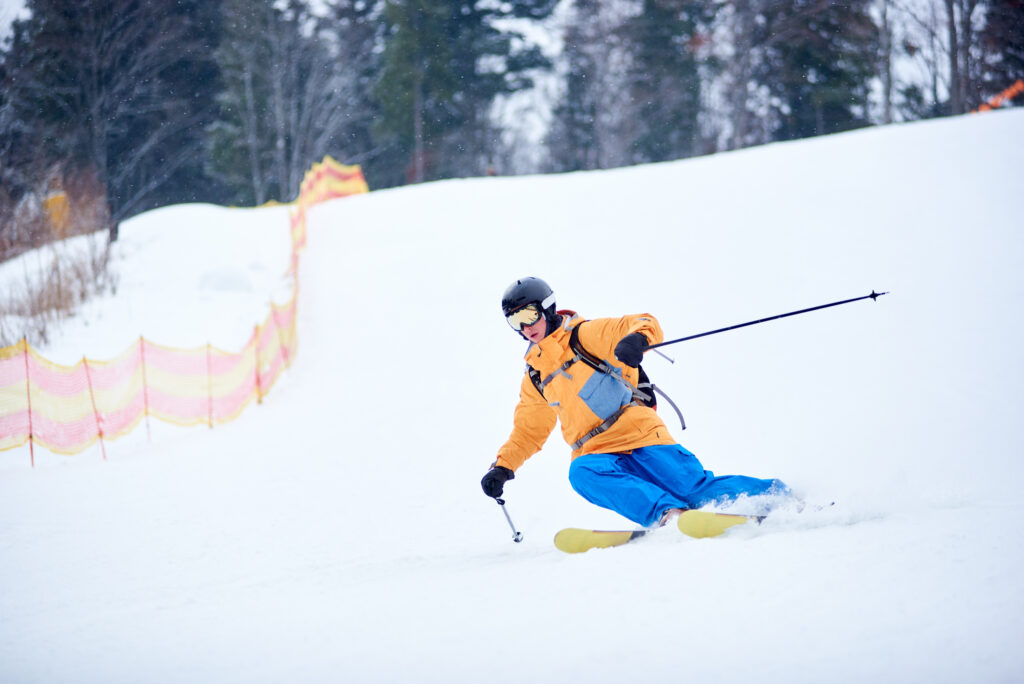
The United Kingdom may not be the first destination that comes to mind for a ski or snowboard holiday, but it offers a unique experience for winter sports enthusiasts. From the snowy peaks of Scotland to the indoor slopes in England, the UK provides a variety of options for both beginners and seasoned skiers. While the country’s mountainous regions aren’t as extensive as those in the Alps or Rockies, the charm of the UK’s resorts lies in their accessibility, friendly atmosphere, and historical surroundings. Whether you’re looking for a quick weekend getaway or an extended winter vacation, the UK has something to offer.One of the key attractions of skiing and snowboarding in the UK is the opportunity to combine these activities with exploring the country’s rich cultural heritage. After a day on the slopes, you can visit ancient castles, vibrant cities, and picturesque villages. The UK’s ski resorts are known for their welcoming communities and offer a range of accommodations, from cozy lodges to luxurious hotels. With an array of dining options, from traditional pubs to fine dining restaurants, you can enjoy delicious meals that reflect the diverse culinary heritage of the UK.The UK’s ski season typically runs from December to April, with the best conditions often found in January and February. While the country’s ski areas may not be as expansive as those in other parts of Europe, they are perfect for those looking for a more relaxed and intimate skiing experience. The UK also boasts a number of indoor and artificial slopes, making it possible to enjoy skiing and snowboarding year-round. Whether you’re a beginner looking to learn the basics or an experienced skier seeking new challenges, the UK has a variety of options to suit your needs.
The United Kingdom is composed of four countries: England, Scotland, Wales, and Northern Ireland. Each offers distinct landscapes and opportunities for skiing and snowboarding. Scotland is the primary destination for winter sports, with its Highlands providing the best natural conditions for skiing. The Cairngorms and Glencoe Mountain are two of the most popular areas, known for their stunning scenery and challenging slopes.England, while not traditionally known for its mountainous terrain, offers several indoor and artificial ski slopes. These facilities, such as The Snow Centre in Hemel Hempstead and Chill Factore in Manchester, provide year-round skiing opportunities. Wales and Northern Ireland also have smaller facilities and natural areas suitable for winter sports, making the UK a diverse destination for skiers and snowboarders.The geography of the UK means that the weather can be quite variable. Scotland tends to have the most reliable snowfall, while the rest of the UK may rely more on artificial snow. The proximity of many ski areas to major cities makes them easily accessible, allowing for convenient travel and the option to combine skiing with other tourist activities.
The ideal time to visit the UK for skiing and snowboarding is from December to April. During this period, Scotland’s ski resorts typically have the best snow conditions, with January and February offering the most consistent snowfall. However, due to the UK’s variable weather, it’s always a good idea to check the forecast and snow reports before planning your trip.If you prefer indoor skiing or are looking to practice year-round, the UK’s indoor ski centers are open throughout the year. These facilities provide excellent conditions regardless of the season, making them perfect for both beginners and experienced skiers looking to hone their skills. The artificial slopes are also a great option for those who want to enjoy skiing without the unpredictability of natural snow.Visiting the UK during the winter months also allows you to experience the country’s festive atmosphere. From Christmas markets to New Year celebrations, there are plenty of cultural events and activities to enjoy alongside your skiing holiday. The combination of winter sports and cultural experiences makes the UK a unique and enjoyable destination during the ski season.
Travelers from many countries, including the United States, Canada, Australia, and most of Europe, do not require a visa for short visits to the United Kingdom. Visitors can typically stay for up to six months for tourism purposes. However, it’s essential to check the specific entry requirements based on your nationality before traveling, as regulations can change.For those who do need a visa, the process is straightforward. You can apply online through the UK government’s official website. Ensure you have a valid passport with at least six months of validity from your planned date of entry. Additionally, you may need to provide proof of your travel itinerary, accommodation bookings, and sufficient funds to cover your stay.It’s also worth noting that post-Brexit, European Union citizens may face different entry requirements than before. Always verify the latest information before your trip. If you plan to work or study while in the UK, you will need to apply for the appropriate visa. Make sure to complete your visa application well in advance of your travel dates to avoid any delays.
The UK is well-connected to the rest of the world, with numerous international airports offering flights from major cities across the globe. London Heathrow, Gatwick, and Manchester are the primary entry points for international travelers. From these airports, you can easily connect to domestic flights, trains, or buses to reach your final destination.For those traveling from Europe, the Eurostar train provides a convenient and quick option, connecting Paris and Brussels directly to London. Ferries also operate between the UK and several European countries, offering a scenic and relaxing way to travel. If you’re planning to bring your own ski equipment, check with your airline or ferry service about their specific policies and any additional fees.Once in the UK, traveling to ski resorts is straightforward. Scotland’s major resorts, such as Cairngorms and Glencoe, are accessible by car, train, or bus from cities like Edinburgh and Glasgow. England’s indoor ski centers are located near major cities, making them easy to reach by public transport. Car rentals are also available if you prefer the flexibility of driving.
The United Kingdom boasts a range of ski and snowboard resorts, with Scotland being the primary destination for natural snow. The Cairngorm Mountain Resort in the Highlands is one of the most popular, offering a variety of runs for all skill levels, from gentle beginner slopes to challenging off-piste areas. The resort also features a funicular railway, providing stunning views of the surrounding landscape.Glencoe Mountain Resort, also in Scotland, is renowned for its dramatic scenery and diverse terrain. It caters to both skiers and snowboarders, with runs suitable for beginners to advanced riders. The resort’s friendly atmosphere and well-maintained facilities make it a favorite among locals and visitors alike.In England, the focus is on indoor and artificial slopes. The Snow Centre in Hemel Hempstead and Chill Factore in Manchester offer excellent facilities for year-round skiing and snowboarding. These centers provide lessons, equipment rental, and a controlled environment, making them ideal for beginners and those looking to improve their skills without the unpredictability of natural snow conditions.
Finding equipment rentals and ski shops in the UK is convenient, with many resorts and indoor centers offering comprehensive rental services. Cairngorm Mountain Resort and Glencoe Mountain Resort in Scotland both have on-site rental shops, providing skis, snowboards, boots, and helmets. The staff are knowledgeable and can help you select the right equipment for your skill level and preferences.For those skiing at indoor centers like The Snow Centre and Chill Factore, equipment rental is also available on-site. These centers often offer package deals that include equipment rental and lift passes, making it easy to organize your trip. Additionally, the controlled indoor environment ensures that the equipment is well-maintained and suited to the conditions.If you prefer to purchase your own gear, there are numerous ski and snowboard shops across the UK. Major cities like London, Edinburgh, and Manchester have specialty stores offering a wide range of equipment and apparel. Whether you’re looking for the latest models or high-quality second-hand gear, you’ll find plenty of options to suit your needs.
For those seeking adventure beyond the groomed slopes, the UK offers some exciting backcountry and off-piste skiing opportunities, particularly in Scotland. The Cairngorms National Park is a prime location for off-piste skiing, with vast areas of untouched snow and challenging terrain. It’s essential to have the appropriate skills and equipment, including avalanche safety gear, as conditions can be unpredictable.Glencoe Mountain Resort also provides opportunities for backcountry skiing, with guides available to take you to the best spots. Hiring a local guide is highly recommended, as they have the expertise and knowledge of the area to ensure your safety and maximize your experience. Off-piste skiing in Glencoe offers stunning views and the chance to explore more remote areas away from the crowds.While England and Wales do not offer the same level of natural backcountry terrain as Scotland, indoor centers like Chill Factore occasionally host freestyle and off-piste events within their facilities. These events provide a controlled environment to practice your skills and enjoy the thrill of off-piste skiing without the risks associated with natural backcountry areas.
Accommodation options in the UK cater to a wide range of preferences and budgets. In Scotland, near the major ski resorts, you can find everything from luxury hotels and cozy lodges to budget-friendly hostels and self-catering cottages. Aviemore, close to the Cairngorm Mountain Resort, offers a variety of lodging options, including charming bed and breakfasts and modern hotels.Glencoe also has several accommodation choices, ranging from rustic lodges to comfortable guesthouses. Staying in the vicinity of the ski resorts allows for easy access to the slopes and provides the opportunity to enjoy the local hospitality and scenic beauty. Many accommodations offer packages that include lift passes and equipment rentals, making your trip planning more straightforward.For those visiting indoor ski centers in England, there are numerous hotels and guesthouses in nearby cities like London and Manchester. These urban locations provide the advantage of combining your skiing holiday with city attractions, dining, and nightlife. Booking in advance, especially during peak season, ensures you secure the best accommodation at competitive rates.
The culinary scene in the UK is diverse and caters to all tastes and budgets. Near the ski resorts in Scotland, you’ll find traditional Scottish cuisine featuring hearty dishes like haggis, neeps and tatties (turnips and potatoes), and Cullen skink, a rich smoked haddock soup. Local pubs and restaurants often serve these classic dishes, providing a warm and welcoming atmosphere after a day on the slopes.In addition to traditional fare, many resorts and nearby towns offer international cuisine, including Italian, Indian, and Chinese, ensuring there’s something for everyone. Aviemore and Fort William, both close to major ski areas, have a variety of dining options ranging from casual cafes to fine dining establishments. These towns are perfect for exploring local and international flavors.Indoor ski centers in England, such as The Snow Centre and Chill Factore, are located near vibrant urban areas with extensive dining choices. From trendy restaurants and cozy cafes to fast food and fine dining, you’ll find a plethora of options to suit your culinary preferences. Many of these venues also offer vegetarian, vegan, and gluten-free options, ensuring all dietary needs are met.
The UK has an extensive and efficient transportation network, making it easy to travel within the country. Trains are a popular choice, with services connecting major cities to nearby ski resorts. For example, trains run regularly from London to Aviemore and Fort William, providing convenient access to the Scottish Highlands. Booking tickets in advance can save you money and guarantee a seat during peak travel times.Buses and coaches are another option for reaching ski resorts, especially in more remote areas. National Express and Megabus offer affordable services across the UK, connecting cities and towns to popular ski destinations. Local buses also operate within resort areas, providing easy transport from your accommodation to the slopes.Car rentals are available at all major airports and cities, offering flexibility for those who prefer to drive. Scotland’s ski resorts are well-signposted, and driving allows you to explore at your own pace. However, be prepared for winter driving conditions, especially in mountainous areas. Ensure your rental car is equipped with snow tires and carry essential supplies in case of emergencies.
The UK has an extensive and efficient transportation network, making it easy to travel within the country. Trains are a popular choice, with services connecting major cities to nearby ski resorts. For example, trains run regularly from London to Aviemore and Fort William, providing convenient access to the Scottish Highlands. Booking tickets in advance can save you money and guarantee a seat during peak travel times.Buses and coaches are another option for reaching ski resorts, especially in more remote areas. National Express and Megabus offer affordable services across the UK, connecting cities and towns to popular ski destinations. Local buses also operate within resort areas, providing easy transport from your accommodation to the slopes.Car rentals are available at all major airports and cities, offering flexibility for those who prefer to drive. Scotland’s ski resorts are well-signposted, and driving allows you to explore at your own pace. However, be prepared for winter driving conditions, especially in mountainous areas. Ensure your rental car is equipped with snow tires and carry essential supplies in case of emergencies.
The official currency of the United Kingdom is the British Pound (GBP). ATMs are widely available, and most businesses accept major credit and debit cards, including Visa, MasterCard, and American Express. It’s a good idea to carry some cash for small purchases or in case you visit remote areas where card payments may not be accepted.Currency exchange services are available at airports, banks, and exchange bureaus throughout the UK. It’s advisable to compare rates to get the best deal. Many ATMs also offer the option to withdraw cash in your home currency, but be aware of potential fees and exchange rates.Mobile payment methods, such as Apple Pay and Google Wallet, are increasingly popular and widely accepted. These provide a convenient and secure way to pay without carrying cash or cards. Always inform your bank of your travel plans to avoid any issues with card transactions while abroad.
English is the official language of the United Kingdom, making communication straightforward for most visitors. In Scotland, you may also encounter Gaelic, particularly in the Highlands and islands, though English is universally spoken. Welsh is widely spoken in Wales, especially in the northern and western regions, but again, English is commonly used.If you’re traveling from a non-English-speaking country, you’ll find that many people in the UK speak other languages, particularly in urban areas. Tourist information centers, hotels, and major attractions often have multilingual staff to assist visitors. Learning a few basic English phrases can enhance your travel experience and help you navigate more easily.Mobile phone coverage is generally good across the UK, although it can be patchy in remote mountainous areas. Wi-Fi is widely available in hotels, cafes, and public spaces, allowing you to stay connected. Purchasing a local SIM card or an international roaming plan can also ensure you have access to mobile data and communication during your trip.
The UK offers a wealth of cultural attractions to explore alongside your skiing holiday. Scotland is rich in history, with landmarks such as Edinburgh Castle, the ancient city of Stirling, and the picturesque Isle of Skye. Combining skiing with visits to these sites provides a unique blend of outdoor adventure and cultural enrichment.In England, cities like London and Manchester are home to world-renowned museums, galleries, and historical sites. The British Museum, the Tower of London, and the vibrant cultural scene in Manchester offer plenty to see and do. Visiting these attractions can provide a fascinating counterpoint to your time on the slopes.Wales and Northern Ireland also boast their own unique attractions. Cardiff, the capital of Wales, is known for its medieval castle and lively cultural scene. Northern Ireland’s Giant’s Causeway and the historic city of Belfast are must-see destinations. Exploring these areas allows you to experience the diverse culture and heritage of the UK.
Understanding local laws and regulations helps ensure a smooth and enjoyable trip. In the UK, driving is on the left side of the road, and seatbelts are mandatory for all passengers. Speed limits are strictly enforced, and drink-driving laws are stringent, with severe penalties for those caught over the legal limit.Skiers and snowboarders should be aware of the rules and guidelines at each resort. Respecting marked boundaries and adhering to resort policies ensures everyone’s safety. In backcountry areas, it’s crucial to have the proper equipment and knowledge of avalanche risks. Hiring a guide is recommended for those unfamiliar with the terrain.Smoking is banned in all enclosed public spaces, including restaurants, bars, and public transport. Designated smoking areas are provided, and it’s important to adhere to these rules to avoid fines. Drug laws in the UK are strict, with severe penalties for possession and trafficking of illegal substances.
Safety is paramount when skiing or snowboarding in the UK. Always check the weather and snow conditions before heading out, particularly if you’re venturing into backcountry areas. Wearing appropriate clothing and safety gear, including helmets, can prevent injuries. Skiers and snowboarders should be aware of their limits and stay within marked areas unless experienced and equipped for off-piste adventures.Emergency services in the UK are reliable and can be reached by dialing 999 or 112. This connects you to police, fire, and medical services. In the event of an accident on the slopes, resort staff and ski patrol are trained to assist and provide first aid. Knowing the location of the nearest medical facilities and having travel insurance that covers winter sports is advisable.Staying hydrated and taking regular breaks can prevent fatigue and injuries. If you’re unfamiliar with the area, consider taking lessons or hiring a guide to ensure you navigate the slopes safely. Keep emergency contact numbers handy and inform someone of your plans, especially if skiing in more remote areas.
Having comprehensive health and travel insurance is essential for any ski or snowboard trip to the UK. Ensure your policy covers winter sports, including any specific activities you plan to undertake, such as off-piste skiing or snowboarding. Check that your insurance includes coverage for medical expenses, emergency evacuation, and trip cancellation.Healthcare in the UK is of high quality, but costs for non-residents can be significant. Having insurance helps cover the costs of medical treatment, should you need it. European travelers should carry a European Health Insurance Card (EHIC) or the new UK Global Health Insurance Card (GHIC), which provides access to necessary state-provided healthcare.In addition to medical coverage, travel insurance can protect against trip disruptions, such as flight cancellations, lost luggage, and delays. Read your policy carefully to understand the terms and conditions, and carry a copy of your insurance documents with you. Knowing you’re covered provides peace of mind and allows you to enjoy your trip without worry.