
From Snow to Union: Building a Year-Round Training Regimen
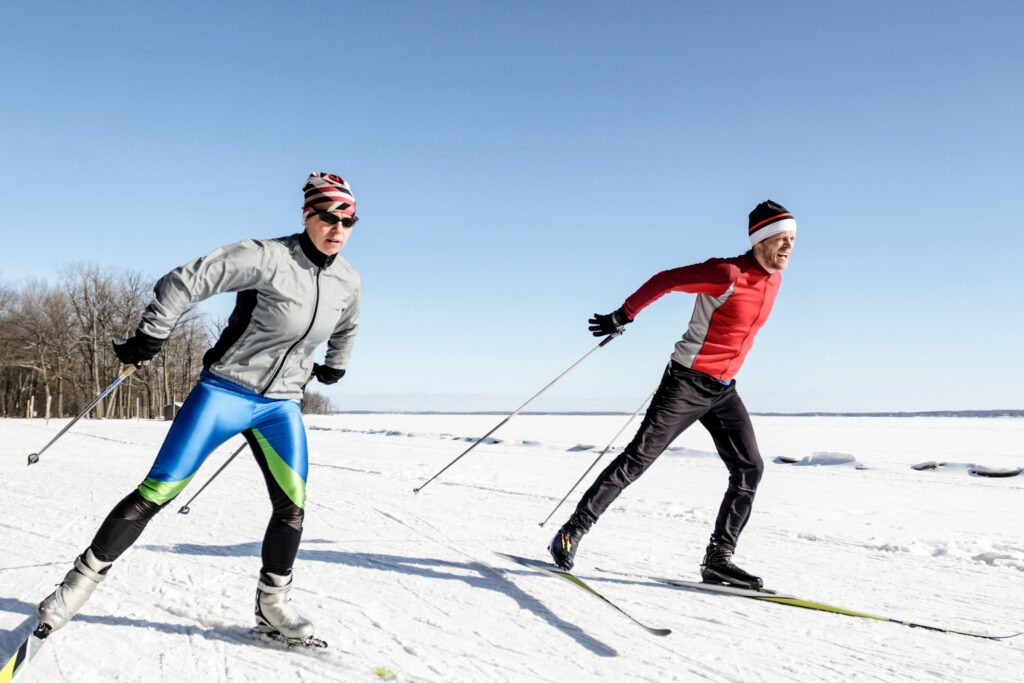
Imagine a pristine expanse of freshly fallen snow, sparkling under the caress of early morning sunlight. The air is crisp, invigorating, a pure delight to the senses as you set your skis on the trail, ready for the glide. This quintessential winter paradise is the peak aspiration for any cross-country skier. Yet, what does it take to reach this pinnacle of performance, not just when the conditions are perfect, but throughout all the seasons? The key lies not only in passion and persistence but in a meticulously crafted training regimen that knows no off-season.
Cross-country skiing is a demanding sport requiring a blend of endurance, strength, and technical prowess. Most enthusiasts focus their efforts during the snowy months, but the truly committed understand that preparation is a year-round endeavor. In the following paragraphs, we will explore how to sustain and even elevate your skiing prowess from season to season, ensuring that every winter finds you better than the last.
Understanding the Off-Season
The off-season is often misunderstood, regarded merely as a period of downtime. However, for those aiming for success, it represents a crucial phase of preparation. Maintaining physical fitness and mental sharpness year-round is essential. It’s not just about staying active; it’s about following a targeted plan that enhances your skiing capabilities. The psychological benefits are equally significant. Staying engaged with your sport can help maintain motivation and alleviate the mental strain that a complete disengagement might foster during the warmer months.
Spring Training: Transition and Maintenance
As winter fades and the snow melts, the first phase of off-season training begins. Spring is for recovery and setting the foundation for harder training periods. During this time, light jogs (10 km or 6.21 miles) serve to keep the heart rate up and maintain endurance without overstressing the body. Cycling can help build leg strength while providing a low-impact alternative to running, and yoga aids in flexibility and core strength, which are vital for the balance and agility required in skiing.
Nutrition also plays a crucial role during this period. It’s a time to rebuild muscle and prepare the body for the more demanding training ahead. Focus on a balanced diet rich in proteins, carbohydrates, and fats to support recovery and energy levels. Hydration is key as well, especially as temperatures start to rise.
Summer Strategies: Peak Building
With the arrival of summer, training intensifies. This is the time to build peak physical condition. Roller skiing stands out as one of the most effective ways to mimic the skiing motion and maintain sport-specific fitness. It can be done on roads or designated tracks and provides a rigorous workout that closely replicates the skiing experience.
Strength training should not be overlooked. Core exercises such as planks and abdominal workouts support upper body stability, crucial for effective pole use in skiing. Weight lifting, starting with lighter weights like 10 kg (22 lbs) and gradually increasing, builds the muscle endurance needed for long distances and steep terrains.
Moreover, summer is ideal for cross-training. Engaging in sports like swimming or rowing can enhance cardiovascular capacity, while activities such as hiking or mountain biking can improve endurance and strength, particularly in the legs and lower back, areas heavily relied upon during skiing.
Autumn Adjustments: Preparing for the Season
As the chill begins to return to the air, autumn marks the transition phase, steering closer to winter conditions. Increasing the frequency of roller ski sessions helps adapt the body back to ski-specific movements. Implementing mock races can also be beneficial. They not only boost physical stamina but also prepare the mind for the competitive aspects of skiing, allowing you to refine tactics and strategy.
Mental preparation should not be underestimated. Techniques such as visualization—imagining yourself mastering the tracks and overcoming challenges—help build mental resilience and focus. Setting clear, achievable goals for the upcoming season can guide your training efforts and give you specific benchmarks to strive for.
Equipment also needs attention during autumn. Ensuring that your gear is in prime condition before the season starts is crucial. This includes checking the integrity of skis, the fit and comfort of boots, and the effectiveness of poles. Making necessary adjustments or replacements now can prevent mid-season disruptions.
As autumn wanes and you edge closer to the return of snow-covered landscapes, your year-round efforts begin to culminate. Each season’s activities build upon the last, creating a comprehensive regimen that not only prepares you for the demands of winter skiing but enhances your overall skill and endurance.
Winter: Execution and Evaluation
The arrival of winter is the true test of your off-season diligence. As you strap on your skis for the first time in the season, the familiar chill biting at your cheeks, you realize the value of your year-round dedication. Now is the time to apply what has been nurtured through spring’s recovery, summer’s peak building, and autumn’s meticulous preparation to the real-world challenge of the snow-covered trails.
Applying the Year-Round Training
With winter’s commencement, every stride on the ski tracks not only serves as practice but also as a moment of evaluation. The training techniques from the previous seasons should translate into improved endurance, strength, and technical efficiency. Notice how the core stability from your summer workouts helps maintain balance on the challenging parts of the trail, or how the endurance built during autumn’s mock races helps in maintaining a steady pace even in deep snow.
It’s crucial to stay vigilant and responsive to your body’s feedback. Are there areas where your form starts to falter when fatigued? Does your stamina match up to the demands of longer, more arduous trails? The answers to these questions will guide further refinements to your training regimen. Monitoring progress is essential, and adjustments may be necessary as you discover strengths and weaknesses in real-time conditions.
Adjusting the Regimen as Necessary
The continuous cycle of training, application, and evaluation allows for an adaptive approach to fitness and skill development. Perhaps the intensity of your roller ski sessions needs to be increased, or maybe additional focus on weight training could enhance your power on uphill sections. Listening to your body and being flexible in adjusting your training plan is key to overcoming plateaus and constantly advancing your capabilities.
A digital or written training log can be invaluable during this phase. Recording your experiences, the conditions, what felt good, and what didn’t can provide a comprehensive overview that is beneficial for planning future training cycles. This log becomes a personal history of your skiing journey, a tool as vital as any piece of physical equipment.
Reflection on Improvements and Areas Needing Attention
As winter progresses, take time to reflect on your growth and areas needing more focus. Reflection is not only about acknowledging weaknesses but also celebrating the victories, no matter how small. Did you manage a longer distance with less fatigue? Have your times improved on familiar routes? These successes are milestones marking the effectiveness of your year-round dedication to training.
The Value of a Year-Round Regimen
As the season unfolds, the true value of a year-round training regimen becomes unmistakably clear. The benefits extend beyond the physical to the psychological, instilling a sense of continuous achievement and motivation. This comprehensive approach ensures that you are not just a seasonal skier but a rounded athlete, ready to meet each challenge with confidence.
A well-rounded training schedule means you’re always in a state of preparedness, which translates into more enjoyable and productive sessions on the snow. The physical benefits are matched by psychological ones: a constant engagement with your sport can dramatically improve your mood and outlook, which is essential during the darker, colder months.
Commitment to a year-round regimen requires discipline and enthusiasm, but the rewards justify the effort. Emphasize that consistency is key. Regular training ensures that skills remain sharp and the body stays attuned to the demands of the sport. It’s about building a lifestyle around your passion for skiing, not just engaging with it seasonally.
Reflecting on the transition from a seasonal skier to a year-round athlete reveals a journey filled with challenges but also significant growth. Embrace the rhythm of the seasons, each offering its unique opportunities for development and joy. Visualize your path forward, filled with crisp winter mornings on snowy trails and the gratifying burn of a well-earned effort.
Let this vision motivate you as you continue to push beyond what you thought possible, not just in skiing, but in all areas of life. The resilience and dedication required to excel in cross-country skiing are qualities that spill over into every endeavor, enriching your experience and success beyond the tracks.
As we look ahead to the trails and trials of another year, remember that in cross-country skiing, as in life, the most beautiful vistas are often earned through the steepest climbs. Carry forward the spirit of year-round training, and let it elevate you from snow to success.