
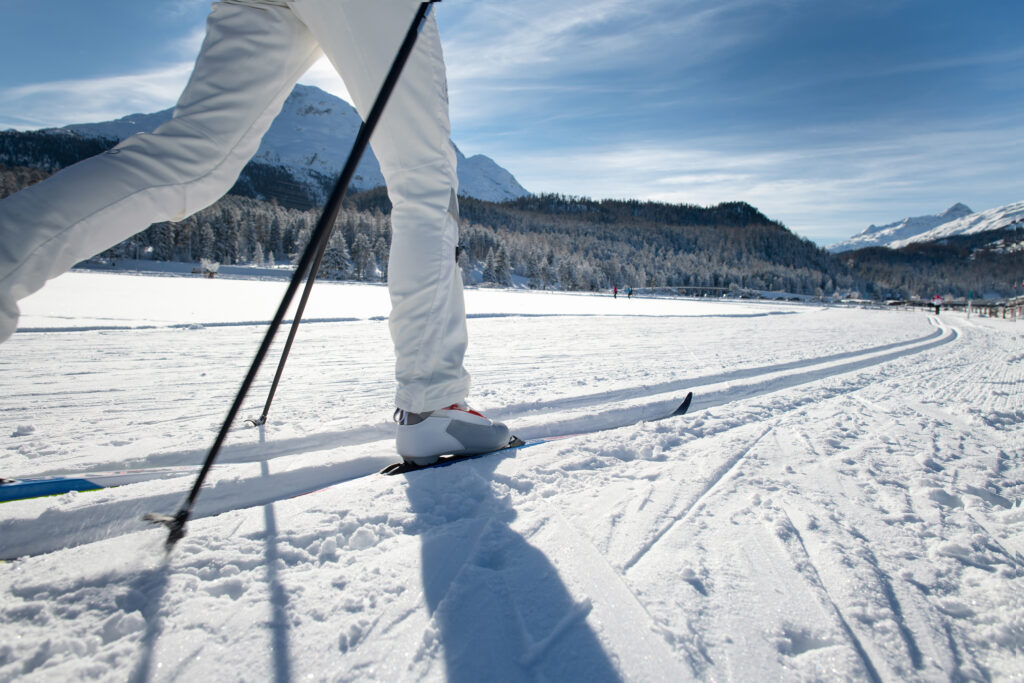
Imagine a pristine, snow-blanketed valley under a crystal-clear blue sky. The only sound is the gentle whisper of skis gliding over the powder, a rhythmic whoosh that syncs with the heartbeat of the landscape. This serene scene isn’t just a testament to winter’s beauty but also to the intricate dance of physics and physiology occurring with each stroke of a skier’s journey across the snow.
Cross-country skiing, once primarily a mode of winter travel in snowy regions, has evolved into a beloved recreational activity and a fiercely competitive sport. As both casual enthusiasts and professional athletes slide over snowy terrains, few consider the complex mechanics at play that make their movements possible. Yet, a deeper understanding of these principles can dramatically enhance one’s performance and increase the joy found in each glide through the snow.
This article delves into the fascinating science behind skiing, breaking down the physical laws and biomechanical efforts that govern this elegant winter sport. Whether you are a novice just setting foot on the trails or a seasoned skier looking to refine your technique, the insights provided here aim to enrich your skiing experience, making every push and glide more effective and enjoyable.
The Physics of Skiing
Friction and Glide
At the heart of cross-country skiing is the interplay between the ski and the snow. Skiing isn’t merely sliding; it’s a careful balance of controlling friction. Friction, the resisting force that occurs when two surfaces slide against one another, can be a friend or foe. Too much of it, and you’re merely shuffling along the snow; too little, and you might find yourself unable to control your speed or direction.
The key to mastering skiing is managing this friction. Ski waxes are central to this effort. Designed for various snow types and temperatures, the right wax can reduce friction when you need speed and increase it when you require more control, particularly in icier conditions. The type of snow—whether it’s fresh powder, packed, or icy—affects the amount of friction your skis encounter. Fresh, fluffy snow typically offers less resistance than wet, compact snow, demanding different waxing approaches and skiing techniques.
Force and Motion
Skiing also perfectly encapsulates Newton’s laws of motion. When you push off against the snow with your poles and skis, you exert a force on the snow backward, propelling yourself forward. This action-reaction pair is Newton’s Third Law in real-world application. Moreover, the angle of your skis and your body’s posture can help maximize the efficiency of your movements, allowing gravity to aid your forward motion down slopes or minimizing its pull when climbing.
Understanding these forces enhances not only your speed but also your endurance. Efficient force application means less energy spent on each stroke, which is crucial during longer treks or races. Skiers must also navigate lateral forces when turning, requiring a delicate balance and the right technique to maintain speed without losing control.
Equipment Design
Modern ski technology reflects a deep understanding of physics. Ski designs vary significantly based on intended use—racing skis are generally longer and narrower to maximize speed and reduce drag, while touring skis might be wider to provide better stability and comfort over long distances. Materials like carbon fiber and titanium alloys are often used to reduce weight while maintaining strength and flexibility, crucial for absorbing shocks and maintaining speed.
Biomechanics of Skiing
Muscle Work
Cross-country skiing is a comprehensive workout, engaging various muscle groups. The primary powerhouses are the legs and arms, which work in concert to push against the snow. However, the core muscles also play a critical role, helping to stabilize the body and transfer force efficiently between the upper and lower body.
Training these muscle groups specifically can lead to significant improvements in skiing performance. For instance, strengthening the quadriceps and hamstrings increases your pushing power, while a strong core enhances your balance and stability, crucial for maintaining technique over long distances or challenging terrains.
Technique and Posture
The correct technique is not just about athletic prowess; it’s about aligning your body in a way that maximizes efficiency and minimizes effort. Proper skiing posture—leaning slightly forward, knees bent, and hips over the feet—ensures that the forces exerted by your legs are directed backward, propelling you forward. This alignment helps distribute your weight evenly across the skis, maintaining a smooth glide and reducing the strain on any one part of the body.
By engaging in exercises that mimic the skiing motion, such as roller skiing or using ski ergometers, skiers can refine their technique off the snow, developing muscle memory that translates to more fluid movements on the trails.
From personal experience, understanding and applying these scientific and biomechanical concepts has not only boosted my performance but also transformed skiing from a mere physical activity into a profoundly satisfying interplay of mind and body. As we continue to explore the fascinating dynamics of skiing, remember that each stride and stroke is a testament to the marvels of human ingenuity and the laws of nature, coming together in perfect harmony.
Practical Applications
Training Tips
The integration of science into your skiing training regimen can significantly elevate your performance. One key aspect is interval training, which mimics the varying demands of cross-country skiing. By alternating between periods of high and low intensity, you simulate the changing terrain and exertion levels experienced on actual ski trails. This form of training not only improves cardiovascular health but also enhances muscle endurance, crucial for those long, demanding slopes.
Strength training, too, cannot be overlooked. Exercises like squats, leg presses, and calf raises build the leg muscles vital for powerful skiing strokes. Additionally, incorporating plyometric exercises such as box jumps can improve explosive power, essential for quick starts and steep climbs. Upper body strength, achieved through routines involving push-ups, pull-ups, and rowing exercises, ensures that your arms can effectively contribute to the propulsion you need to maintain speed and maneuver through challenging courses.
Flexibility and balance exercises round out a holistic ski training approach. Yoga and Pilates can be particularly beneficial, enhancing core strength and the flexibility of muscles, tendons, and ligaments. These practices also improve balance and body awareness, which are fundamental for maintaining proper skiing posture and technique.
Gear Selection
Choosing the right equipment is another crucial aspect where science plays a pivotal role. Skis, poles, and boots must be tailored not only to your body size and weight but also to your skill level and the typical conditions you face. For instance, the length and flex of the skis should be compatible with your weight to ensure optimal glide and control. Skis too stiff or too flexible can hinder your ability to apply the correct force and may affect your balance and speed on the snow.
The width and shape of the skis also matter. Wider skis offer more stability and are generally better for beginners or for use in soft, deep snow where additional surface area helps prevent sinking. Narrower skis, on the other hand, are preferred for packed snow and racing scenarios where speed and agility are paramount.
Poles should reach about the height of your armpits for classic skiing but can be longer for skating techniques, where greater leverage is beneficial. Boots need to provide a snug fit without restricting circulation, offer good ankle support, and be compatible with the bindings for safety and performance efficiency.
Skiing, at its core, is more than a sport or a physical challenge—it’s a dialogue between the skier and the natural world, mediated by the laws of physics and human ingenuity. Each push against the snowy ground is a conversation with gravity, friction, and the elements. When we harness the knowledge of these interactions, skiing transforms from a mere activity to an art form, a dynamic dance that is both exhilarating and enlightening.
I invite you, whether novice or expert, to bring this understanding into your practice. Experiment with your techniques, adjust your equipment, and feel the principles of physics in action. With each stride, let your knowledge guide you to not just better performance, but a deeper connection with the sport and a more profound enjoyment of every snowy landscape you traverse.